
Reviewed · ABU SIMBEL
4-Day 3-Night Nile Cruise from Aswan to Luxor&Abu Simbel+Balloon
A Nile cruise that layers in Abu Simbel and ends with a sunrise hot-air balloon is a very efficient way to see Upper Egypt. You get a floating hotel on the Nile, plus an Egyptologist guide to turn temples into something you can actually picture in your head.
I love the way this itinerary spaces the big sights across four days. You start with Aswan and Philae, you go to Abu Simbel before the worst heat, then you hit Edfu and the Luxor East Bank temples, and finally the West Bank at sunrise. I also like that meals are built in, from lunch and dinner on the ship to breakfast before balloon time, with onboard extras like a disco and downtime on the sundeck.
The main drawback is that the days are early and the entrance fees are extra. The tour includes lots, but you still pay listed admissions for major stops like Philae, Abu Simbel, Karnak, and the Valley of the Kings, so check your budget before you commit.
Key things to know before you go
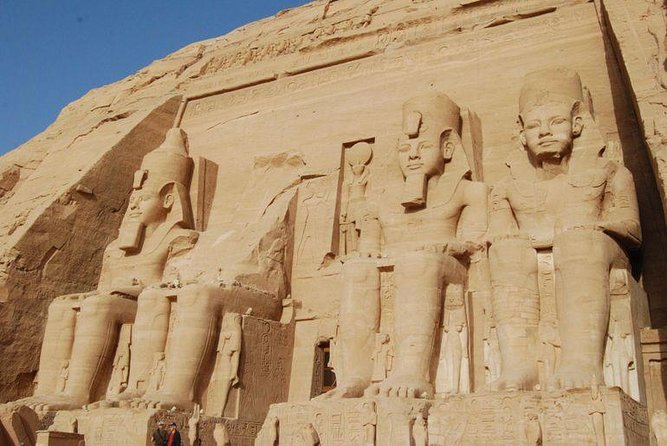
- Abu Simbel early start: pre-dawn pickup helps you reach the site before heat and crowds take over
- Onboard 5-star cruise nights: three nights with meals scheduled across the days
- Egyptologist-led temple days: guided visits at Philae, Abu Simbel, Edfu, Karnak, and more
- Sunrise balloon over Luxor’s West Bank: the big finale, with weather-based handling if flights cancel
- Small group feel: maximum 15 travelers, and Abu Simbel is done with a small group share
- Entrance fees not included: several key temples require separate tickets
Price and logistics: what $340 really buys
At $340 per person for a 4-day, 3-night cruise, the price feels most fair if you want “everything handled” travel. You are getting transport in an air-conditioned minivan, meet and assist, a 5-star Nile cruise stay, and Egyptologist-led shore excursions across multiple days.
What you should plan for up front is the cost of entrance tickets and drinks. The tour lists admission fees for major sites, including Aswan High Dam, Philae, Abu Simbel, Kom Ombo, Edfu Temple (Temple of Horus), Luxor Temple, Valley of the Kings, Temple of Hatshepsut, and Temple of Karnak. On top of that, drinks, even water, are not included on the cruise.
A practical way to think about value: this tour pays you back in time saved. Instead of hopping hotels and booking guides per day, you follow one tight route from Aswan to Luxor with expert guidance attached to each stop. If you like structure, this is where the money starts making sense.
More Nile Cruises in Aswan
- 4-Days Nile Cruise From Aswan To Luxor including Abu Simbel and Hot Air Balloon
★ 5.0 · 3,142 reviews - 4-Day 3-Night Nile Cruise from Aswan to Luxor including Abu Simbel, Air Balloon
★ 4.5 · 612 reviews - From Aswan: 4-Day Nile Cruise from Aswan to Luxor with Guide
★ 4.1 · 593 reviews
Day 1 in Aswan: High Dam, Philae Temple, and a relaxed first night
Your tour starts with pickup and meet and assist in Aswan. Once you are set, day one focuses on two landmarks that explain how modern Egypt connects to ancient power.
First is the Aswan High Dam. Even if you are not a technical person, it helps you understand why Aswan matters beyond temples. It shapes the Nile today, and that context makes the rest of your cruise feel grounded, not like random stops.
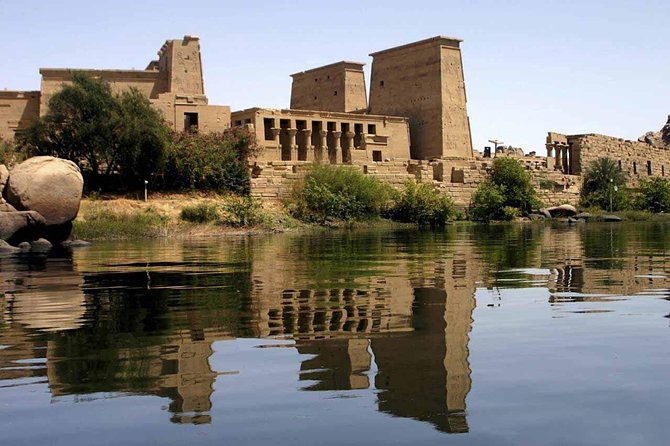
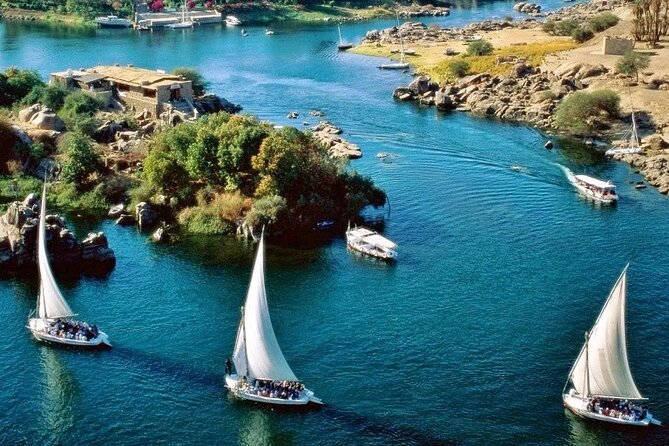
Next comes Philae Temple, reached as an island temple visit. This is one of those classic “you see it, then you get it” places, because the setting and the temple carvings make more sense once you have a guide to walk you through the story.
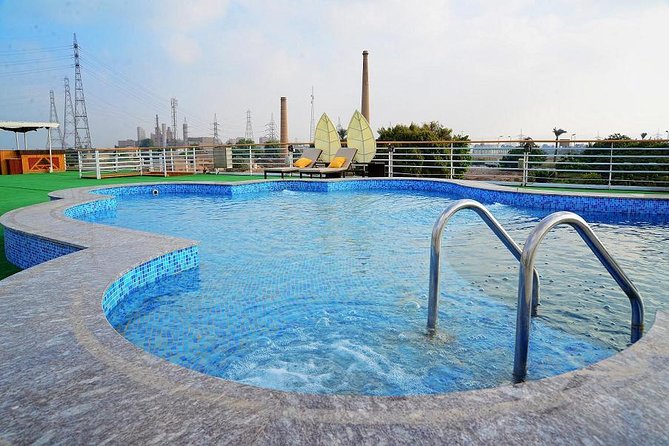
Back on the cruise, you have lunch, afternoon tea, dinner, and an evening disco on board. The ship also gives you time to breathe, swim, or just sit on the sundeck. If you want to stretch your legs beyond the organized program, you typically also have the option of exploring Aswan independently.
The ticket note: admissions for Aswan High Dam and Philae are listed as not included, so bring a mindset of “tickets, always.”
Abu Simbel at pre-dawn: the hardest day, and why it is worth it
Day two is the big effort day. You get a very early pickup for the Abu Simbel drive, around 4:30, with arrival around 8:00. That timing matters because Abu Simbel is one of the most dramatic temple complexes in Egypt, and mornings are when your energy still belongs to you.
You visit the rock-cut temples of Abu Simbel, built for Ramesses II and his beloved Queen Nefertari. The scale and the design are what grab you first, but a good guide helps you understand the why behind the planning. This is where Egyptology stops being trivia and becomes a way to read the site.
You return to the cruise by noon for lunch. After that, the ship sails toward Kom Ombo, where you visit the unusual double temple. It is a nice contrast day: you go from one of Egypt’s most famous monuments to a different kind of temple layout before settling in for the night in Edfu.
One realistic tip: this day is long, mainly because the drive takes time. Wear comfortable shoes, plan for sun when you arrive, and keep water on your list even though bottled water is not included. Your comfort will affect how much you enjoy the temples.
Edfu and Luxor East Bank: Horus, Karnak’s columns, and a night in Luxor
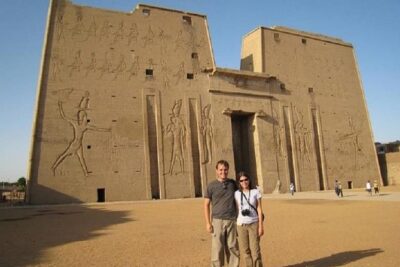
After a night in Edfu, day three opens with the Temple of Horus at Edfu. This temple is known for being one of the best-preserved in Egypt, and it shows. You get to walk through an environment where the stone details still feel legible, especially when your guide connects the carvings to the religious world of the time.
Then you sail toward Luxor via Esna. In between lunch and dinner, you visit two major East Bank stops: Luxor Temple and the huge complex of Karnak.
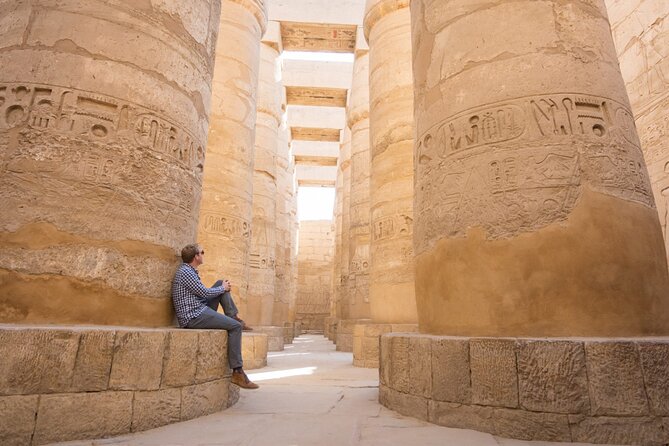
Here is where numbers help you understand the experience. Karnak’s Hypostyle Hall covers 5,356 square meters and includes 134 columns that rise about 70 feet high. When you stand under that roof, you feel how serious ancient Egypt was about power and procession. It is not just “big.” It is structured to control your sense of scale.
Luxor Temple adds balance. It feels more intimate than Karnak, but still deeply ceremonial. Together, the East Bank temples are the clearest way to understand why Luxor became a focal point for centuries.
Overnight is in Luxor, which helps you reduce stress. You are not racing to another city tonight, so you can manage the heat and keep your momentum for the final morning.
More ways to reach Abu Simbel:
- From Aswan: Abu Simbel Temple Day Trip with Hotel Pickup
★ 4.4 · 2,807 reviews - 4-Days Nile Cruise From Aswan To Luxor including Abu Simbel and Hot Air Balloon
★ 4.5 · 509 reviews - Private Day Tour to Abu Simbel Temples from Aswan
★ 4.5 · 507 reviews - 4 Days Nile Cruise from Aswan to Luxor including Abu Simbel and Hot Air Balloon
★ 4.5 · 356 reviews
Sunrise balloon over Luxor’s West Bank: the best viewpoint, with one big condition
Day four is all about the West Bank and the sunrise hot-air balloon ride. The balloon launch is early, and that is part of the appeal. You get an aerial view over the remains of ancient Thebes, and the morning light makes the temples and cliffs easier to read from above.
After the balloon, you eat breakfast on board, then disembark. Your guide then helps you cover three West Bank “star” sights: the Valley of the Kings, the Temple of Hatshepsut, and the Colossi of Memnon.
The Valley of the Kings is famous for a reason. You will see a necropolis area where more than 60 pharaohs are said to have their resting places carved into the mountain cliffs. Your guide can help you understand what makes a “tomb valley” different from a single monument.
Hatshepsut’s temple is a strong counterpoint. It is architecture built for a ruler’s image, and it has a different feel than the more tomb-heavy spaces. The Colossi of Memnon close the loop with scale. Even as remains, they still communicate how monumental the funerary world was.
Tour timing note: the day ends with transfer to the Luxor train station, airport, or a Luxor hotel. The tour finishes around 14:00, and departures are noted as no later than 16:00, so plan your next leg carefully.
Balloon reality check: the balloon is included after sunrise, and if balloon flights are cancelled due to weather, there is a refund of 800 LE. Still, confirm your balloon timing the day before, because weather windows matter.
Ship comfort, meals, and onboard extras that you will actually notice
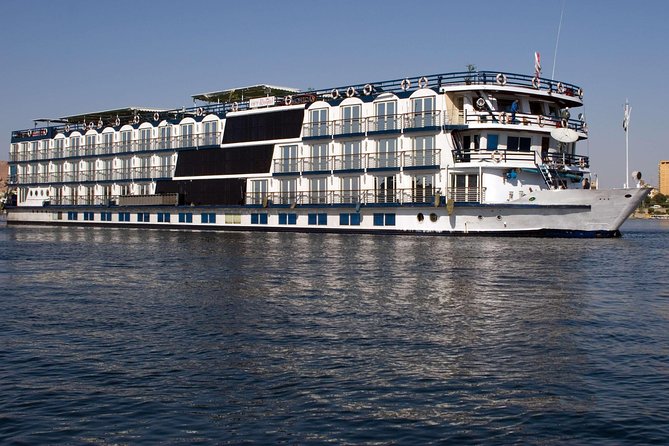
This cruise is described as a 5-star Nile ship, and the practical question is: does it feel comfortable after a day of walking? Most feedback points to a clean ship and decent cabins, with the common caveat that cabins can feel small.
Food is also a key part of the value. Meals are scheduled as lunch and dinner on cruise days, plus breakfast before your final activities. Many people enjoy that the menu mixes Egyptian and Western touches, with varied buffet-style meals.
Onboard extras are not just filler. There is an evening disco, plus a sundeck where you can relax between activities. That downtime matters because your schedule includes early starts, especially around Abu Simbel and balloon morning.
A couple of practical notes to keep you from being surprised:
- Drinks on board are not included, even water.
- Wi-Fi may be an extra cost, so do not assume it is part of the package.
- Cabin comfort can vary, and some rooms may have issues like tight space or air-conditioning quirks.
If you travel with a “day trips are the point” mindset, the ship works well. If you want long afternoons in your room, you may feel the schedule is busy.
Egyptologist guides: the difference between seeing temples and understanding them
One of the highest-praise elements is the role of the Egyptologist guide. Names that show up often include Mohammed Abdo, Hady, Mostafa, and Mido, plus a tour operator contact named Hany.
What people consistently value is not just facts, but how the guides keep things moving and explain what you are looking at in plain language. Mohammed Abdo is highlighted for clear English and for being flexible, while Hady gets credit for organizing the experience and keeping it fun. Mido and Mostafa are praised for making temple visits feel structured and easy to follow.
Even if you are confident you can read a little on your own, a guide changes the trip. Egyptology is not about memorizing names. It is about understanding why these temples were built, and what the symbols mean when you are standing in front of them.
Also pay attention to timing management. These itineraries involve multiple departures, so having someone who is good at route flow makes you waste less energy and spend more time actually enjoying the sites.
Heat, crowds, and early starts: how to make the schedule feel friendly
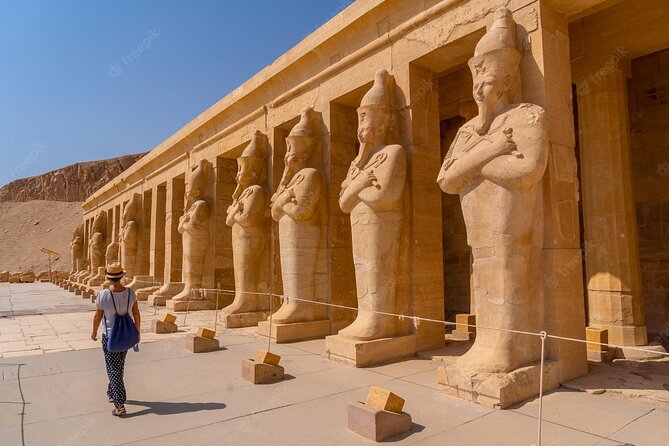
The itinerary is built around beating heat and avoiding peak crowds, but it still demands early mornings. Expect early departures on day two for Abu Simbel and very early balloon timing on day four.
In practical terms, that means you should pack for two kinds of discomfort:
- Sun on stone during temple visits
- Tired legs from lots of standing and walking
Your best strategy is simple: wear breathable clothing, use sunscreen, and keep a small water plan. Even though water is not included, you can still keep yourself hydrated. When the heat spikes in Luxor, it can feel intense quickly.
Footwear matters too. Temple floors can be uneven, and you will do enough walking that you do not want sore feet by noon.
If you want to manage crowds, listen to your guide about where to position yourself and how to move through rooms. A good guide keeps you from getting trapped in bottlenecks.
Who should book this Nile cruise, and who should reconsider
This tour is a great fit if you want a guided, organized route through Aswan, Edfu, and Luxor without planning each day from scratch. It also works well if you love the “big hit” monuments: Abu Simbel, Karnak, the Valley of the Kings, Hatshepsut, and Colossi of Memnon.
It is also a strong choice for first-time Egypt travelers who want context, especially with Egyptologists leading shore excursions.
You might reconsider if:
- You hate early starts.
- You have a tight budget and do not want to pay multiple separate entrance tickets and onboard drinks.
- You expect a lot of relaxed time on the ship, because the schedule is temple-heavy.
- You want a larger cabin, since some rooms may feel small.
If you like action with structure, this cruise delivers.
Should you book this Aswan to Luxor cruise with Abu Simbel and a sunrise balloon?
I’d book it if you want the most famous Upper Egypt highlights in one clean route, with a guide translating the sites into something meaningful. The $340 price becomes more compelling when you factor in three nights on a cruise, Egyptologist-led temple visits, and the sunrise balloon experience.
Do book it smart though. Plan for entrance fees because they are not included, and budget for drinks since even water is extra. Bring a water plan for the long day at Abu Simbel and expect a packed schedule that favors mornings.
If that sounds like your kind of trip, you will likely feel like the days flew by for the right reasons.
FAQ
What is included in the tour price?
The tour includes 3 nights accommodation on a 5-star Nile cruise, a qualified English-speaking Egyptology guide, meals as per the itinerary (breakfast, lunch, dinner), hot air balloon after sunrise, round-trip transport by air-conditioned minivan, and meet and assist during arrival and departure. It also includes Abu Simbel with a group and assistance with portage when needed.
Are entrance fees included for the temples and sites?
No. Entrance fees for places like Aswan High Dam, Philae, Abu Simbel, Kom Ombo, Edfu (Temple of Horus), Luxor Temple, Karnak, the Valley of the Kings, and Temple of Hatshepsut are listed as not included.
What happens if the hot-air balloon is cancelled?
If balloon flights are cancelled due to weather, the tour states there will be a refund of 800 LE.
How early does the tour start, and when does it end?
Pickup happens in Aswan, and day two includes a pre-dawn start for Abu Simbel. The tour finishes around 14:00, with transfers to the Luxor train station, Luxor airport, or a Luxor hotel, and final departure is noted as no later than 16:00.
Where does the tour begin and where do you get dropped off?
It starts with pickup in Aswan, and the meeting point is Aswan International Airport. It ends with drop-off in Luxor at the train station, the airport, or a Luxor hotel.
Are there restrictions for children on the balloon?
Yes. A child less than 6 years is not allowed for the balloon trip.
What is the difference between a double room and twin beds room?
A double room has a single, larger bed. A twin beds room has two separate beds.
Reviewed most recently around Aswan
- Private 2 Hour Guided Tour to Philae Temple from Aswan★ 5.0 · 45 reviews
- 3-Nights Cruise From Aswan To Luxor, Hot Air Balloon,Abu Simbel★ 4.5 · 46 reviews
- Aswan tour ( the temple of philae – high dam )★ 4.5 · 47 reviews
- Abu Simbel Temple Day Trip with Hotel Pickup From Aswan★ 4.5 · 48 reviews
- 4 Days 3 Nights Nile cruise Aswan to luxor★ 5.0 · 48 reviews
- Philae Temple and Aswan High-Dam Half-day tour★ 5.0 · 49 reviews
- 4-Days Nile Cruise sails Aswan to Luxor &Abu Simbel. Balloon tour★ 5.0 · 49 reviews
- 4 Days 3 Nights Aswan to Luxor Nile Cruise★ 5.0 · 50 reviews
Abu Simbel, compared.
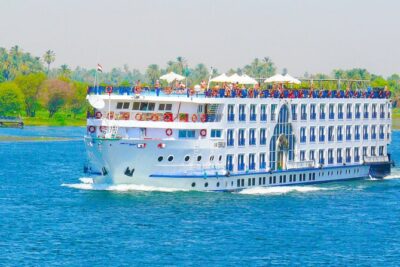
4-Days Nile Cruise From Aswan To Luxor including Abu Simbel and Hot Air Balloon
Read our review →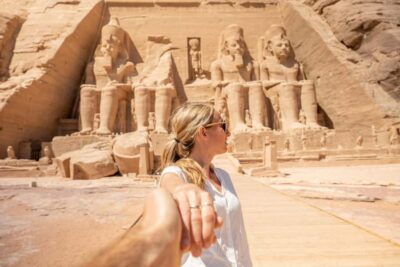
4-Day 3-Night Nile Cruise from Aswan to Luxor including Abu Simbel, Air Balloon
Read our review →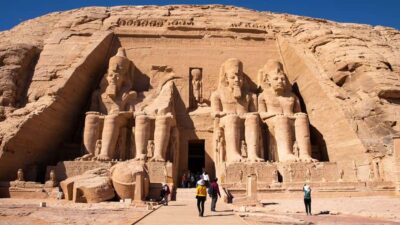
Abu Simbel Temple Private Guided Day Trip with Lunch
Read our review →4-Days Nile Cruise From Aswan To Luxor including Abu Simbel and Hot Air Balloon
Read our review →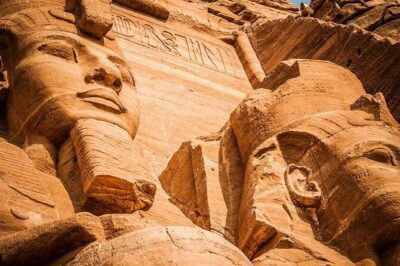
Private Day Tour to Abu Simbel Temples from Aswan
Read our review →4 Days Nile Cruise from Aswan to Luxor including Abu Simbel and Hot Air Balloon
Read our review →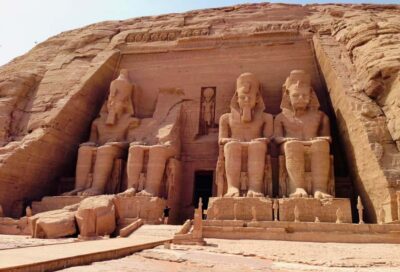
Browse the lists this tour appears in