
Reviewed · VALLEY OF THE KINGS
Luxor Day Tour: Explore Valley of Kings, Queens, Hatshepsut& More
What makes this Luxor day tour fun is the way it strings together the big names of Egypt’s West Bank in one go, from royal tombs to the temple of a queen. I really like that it’s built around a private Egyptologist guide, not a rushed bus script. I also like the sensible pacing, with real time at each site rather than sprinting between photo spots. One possible drawback: most major entrances require separate tickets, so you’ll want to budget a bit extra beyond the base price.
The route also has a smart “story arc.” You start in the Valley of the Kings with the pharaohs, then shift to Hatshepsut and Medinet Habu for power and propaganda, and end with Deir el-Medina for the people who actually made the magic happen. The day is long, usually 7 to 10 hours, so it’s best if you’re okay with heat, stairs, and sunscreen becoming your new travel wardrobe.
You’ll get pickup from your hotel in Luxor and comfortable A/C transport, plus a water bottle. And if you get one of the excellent guides people name in their feedback, you’re in for more than facts, you’ll get practical tips like which tombs are worth paying for and how to plan your time so you don’t feel boxed in.
Key things I’d pay attention to before you go
- Private Egyptologist guidance: the best part is choosing what to see, not just being shown where to stand.
- Valley of the Kings strategy: you can plan tombs around what you care about, including guidance on extra tickets.
- Hatshepsut’s story, with real context: you’ll see how her legacy was damaged by a later ruler.
- Medinet Habu + Amun connection: it’s not just statues and walls, it’s also about Thebes, religion, and economics.
- Deir el-Medina’s human scale: you’ll meet the workers behind the royal tombs through a well-preserved village.
- Most entries are not included: the base price is attractive, but ticket costs are part of the full day budget.
A West Bank day that ties Tutankhamun to Hatshepsut
This is a classic West Bank mix, and that’s the point. You’re not only seeing monuments, you’re moving through the West Bank’s “who’s who,” starting with kings and queens, then shifting to temples and the artisans who built the tombs.
The tour’s value comes from the ordering. The Valley of the Kings gives you the most famous burial landscape first. Hatshepsut and Medinet Habu then show you the other side of ancient power, how leaders projected authority through architecture and religious messaging. Finishing at Deir el-Medina adds a grounded human layer, because you get to picture the work behind the splendor.
More trips to Hatshepsut's temple:
- Luxor: Valley of the Kings and Hatshepsut Temple Day Tour
★ 4.4 · 1,404 reviews - Hurghada: Valley of Kings Hatshepsut & Karnak Luxor Day Trip
★ 4.5 · 375 reviews - Shared Day Tour to Valley of the Kings, Hatshepsut ,Memnon &lunch
★ 5.0 · 275 reviews
Price and what it really means for your budget
The price listed is $10 per person, which is frankly startling for a private, guided day with hotel pickup. The catch is that admission tickets are not included for most stops, and only one major stop is explicitly marked as free in the schedule, the Colossi of Memnon.
So your real cost picture looks like this: the tour covers pickup, modern A/C transfers, taxes and service charges, and a private Egyptologist guide. You’ll still need to pay separate entrance fees at key sites, especially in the tomb-heavy Valley of the Kings area and for temples like Medinet Habu and Hatshepsut. The good news is that a strong guide helps you decide which paid tombs to prioritize, so you don’t waste money on entrances you’ll barely remember.
If you choose the Car + Guide + Entry + Lunch option, lunch is included. One of the best practical tips from guide-led experiences in Luxor is that lunch can be scheduled where the heat and crowds feel more manageable, and some guides even help you find a nice viewpoint for a break.
How the day flows, from pickup to tomb decisions
The tour runs about 7 to 10 hours. That’s long enough to feel like you actually toured, not long enough that you forget where you are, as long as you pace yourself.
You’ll be picked up from your hotel in Luxor, travel by modern A/C vehicle, and get a water bottle. The private setup matters here: you’re not stuck waiting for a different group to finish photos while you melt in the sun.
The biggest “time saver” skill is tomb selection. The Valley of the Kings has many tombs. When your guide is sharp, you’ll get help choosing tombs worth extra tickets based on what you want to see, like standout wall scenes or a certain style of decoration.
Valley of the Kings: 63 tombs and the right tomb order
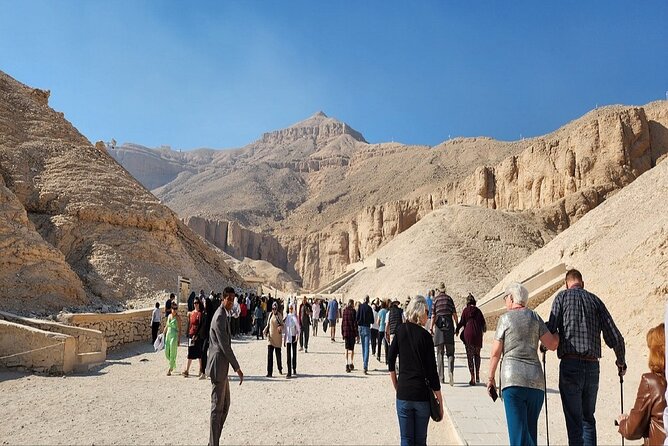
Your day begins on the West Bank in the Valley of the Kings. Plan for about 2 hours here, and expect to see the scale of the royal necropolis right away.
The schedule calls out exploring 63 tombs, including the famous resting place associated with Tutankhamun. Even if you’ve seen photos before, walking into a tomb is different. It forces you to slow down. The ceiling and walls pull your attention into the burial beliefs, with scenes and hieroglyphs that explain what the Egyptians thought would happen after death.
The practical drawback: not every tomb gives the same payoff, especially if you’re paying separate entrance fees. This is where the Egyptologist guidance really pays off. The best guides in this area help you pick tombs so you get the most memorable artwork without feeling like you’ve bought a ticket to boredom.
More Valley of the Queens trips:
- Luxor Day Tour: Valley of Kings & Queens & Hatchepsut Temples
★ 5.0 · 1,496 reviews - Luxor: Valley of the Kings and Queens Guided Tour with Lunch
★ 4.5 · 337 reviews - Luxor: West Bank Kings and Queens All-Inclusive Tour & Lunch
★ 4.5 · 298 reviews - Valley of the Kings and Queens Guided Tour from Luxor with Lunch
★ 5.0 · 111 reviews
Hatshepsut’s Deir el-Bahari temple: queen power and a damaged legacy
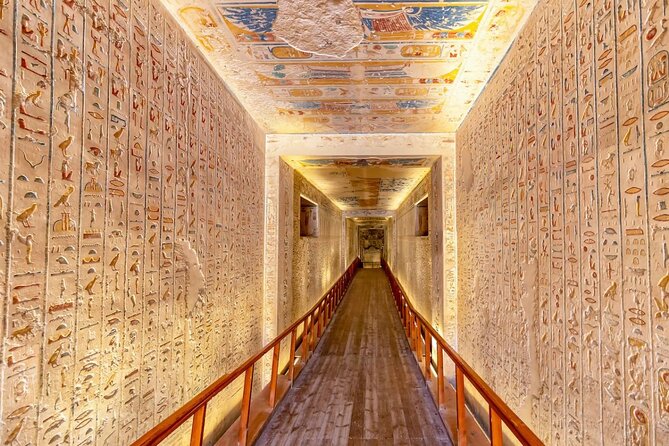
Next you head to the Temple of Hatshepsut at Deir el Bahari. Expect about 2 hours at this site.
This is where the tour shifts from kingly tombs to royal ideology. Hatshepsut is described as a powerful female pharaoh, and you’ll see the architectural storytelling up close at the foot of a dramatic cliff. One of the most compelling points the tour highlights is that there was intentional damage inflicted by Tutmosis III to erase her legacy.
So when you look at the wall scenes, you’re not just seeing artwork. You’re also seeing the consequences of political change. It turns the temple into a living document of power struggles, not only a museum piece.
Colossi of Memnon: 30 minutes for a big, quiet flex
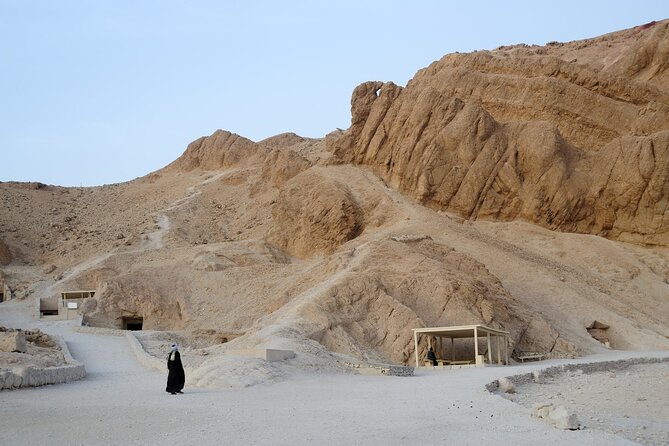
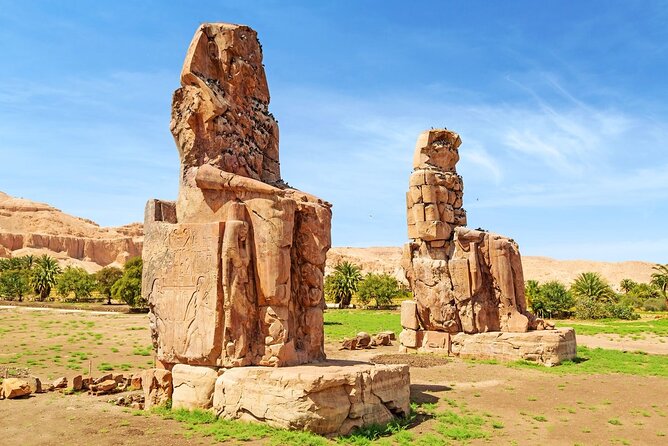
Then you get a shorter stop at the Colossi of Memnon, two massive stone statues of Pharaoh Amenhotep III. The tour plans 30 minutes here.
This is a good reset point. After tomb staircases and temple climbs, it’s nice to step back and take in scale without committing to another long ticketed interior visit. It’s also a free stop based on the schedule, so it’s a nice value add.
If you care about photos, this kind of stop works well because you can frame the statues against sky and sunlight and not worry about indoor lighting.
Valley of the Queens plus Tombs of the Nobles: Nefertari and Book of the Dead scenes
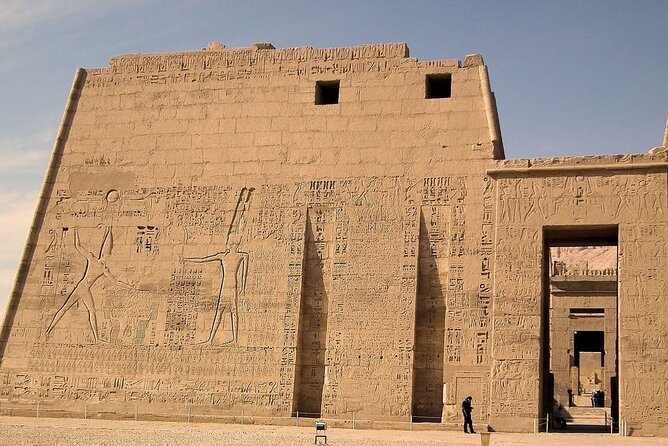
After Hatshepsut, you head to the Valley of the Queens, also called Valle Delle Regine. Here you’ll see the tomb of Queen Nefertari, plus you’ll move on to the Tombs of the Nobles.
The schedule allows about 1 hour total for this part. You’ll also hear about tombs of nobles decorated with passages from the Book of the Dead, described as guiding them through the afterlife. That detail matters because it changes how you look at the walls. You start reading the purpose behind the scenes, not only admiring the carvings.
Practical note: these areas can feel dense and similar once you’ve seen a few entrances. A good guide helps you focus on what you want to remember. If you’re short on time, it’s the kind of place where you’ll be grateful for a guide who can steer you to the best examples rather than letting you drift.
Medinet Habu: Ramses III, Amun, and Thebes at work
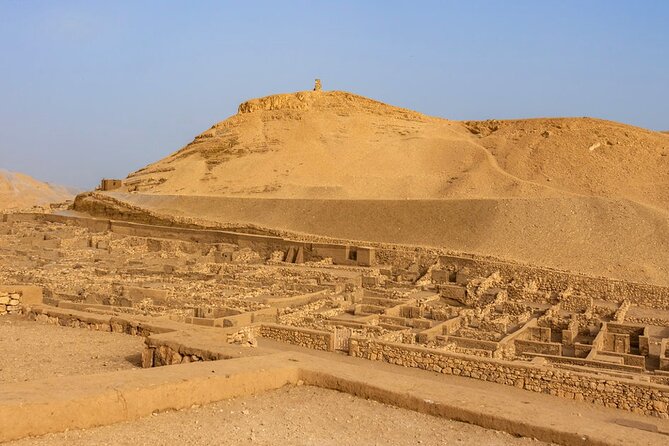
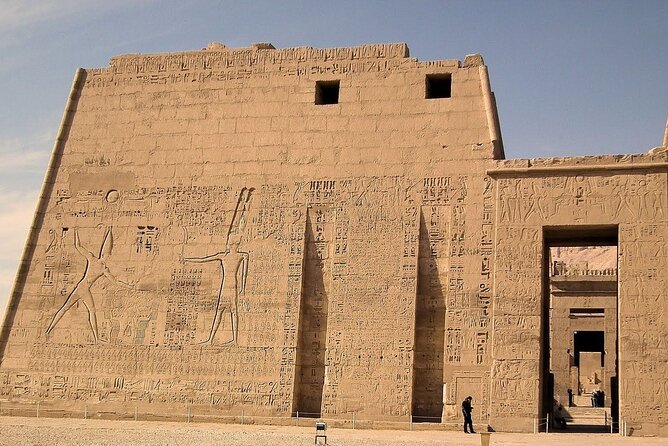
Next comes the Temple of Medinet Habu, also spelled Medinat Habu in the tour schedule. You’ll spend about 1 hour here, with guidance first and time to explore at your own pace afterward.
This temple is described as built by Ramses III. You’ll learn about its association with Amun and its role in Thebes’ economic life. That combination is a big part of why Medinet Habu is worth the time. It’s not only a place where someone prayed, it’s also tied to how a major religious center supported and powered itself.
The best tours are the ones that help you see why a temple looks the way it does. In Medinet Habu, the carvings and layout connect religion, authority, and labor. Ramses III shows up in the messaging. Amun shows up as the religious anchor. The economic angle gives it real-world weight.
Deir el-Medina (Valley of the Artisans): the village behind the royal tombs
Your final major stop is the Valley of the Artisans, also known as Deir el-Medina. The tour gives you about 1 hour here.
This is an ancient town on the West Bank near Luxor. It housed the workers and craftsmen who built and decorated royal tombs during Egypt’s New Kingdom period. What makes it special, based on the tour description, is that the workers’ houses and tombs have been well preserved.
So instead of thinking only about the pharaoh, you can picture the daily life of the people who made the tombs possible. You’ll likely leave this part with a different mental model of the Valley of the Kings. It’s not only royal burials. It’s also a whole production system, with skilled artisans doing real, detailed work.
Guide quality, the names people remember
One reason this tour gets such strong feedback is the guide factor. In the feedback you can see patterns: guides like Mohammed Adly, Abdul, Hassan Moghrapy, Youssef Hussain, Khaled, Mustafa Süleyman, Ahmed, Aza, Sayed, and Hossam are repeatedly described as punctual, friendly, and focused on making the day run smoothly.
Here’s what that means for you in practical terms. When your guide is on their game, you get two things: clear explanations that fit the site you’re standing in, and real-world advice like which tombs are worth paying extra for and how to handle ticket choices efficiently.
Some guides also offer photo tips. That’s a small thing until you’re in a tomb doorway trying to get a good shot without blocking everyone behind you. A guide who knows the light and angles can make your photos look more like you planned them on purpose.
What to bring so the day feels easy, not exhausting
This is a West Bank day in Egypt. Plan for sun, heat, and stone steps.
Bring:
- Comfortable shoes for uneven rock and staircases
- Sunscreen and a hat or cap
- A small snack in case you get a longer-than-expected pause between sites
- A charged phone or camera, since picture advice can help
Even with a water bottle included, you’ll want your own pace. Use the short breaks strategically. Colossi of Memnon is a great place to breathe, reset, and drink water before another stretch of walking.
Lunch option: when it’s included, use it well
Lunch is included only when you choose the option that includes entry and lunch (Car + Guide + Entry + Lunch). If you do choose that, treat lunch as part of the plan, not an afterthought.
In feedback about guides and drivers, the best lunch experiences tend to happen when the guide helps with timing and location so you don’t lose momentum. If you’re heat sensitive, lunch can become your best energy reset.
Who this tour is best for
This is a strong choice if you want a single day that hits the big West Bank pillars without feeling like you’re doing a checklist. It also suits history lovers who care about context, like how queens and pharaohs used temples and how artisans supported the royal tomb machine.
It’s also a solid option for first-time Luxor visitors who are excited by the Valley of the Kings but want more than just Tutankhamun. Adding Hatshepsut, Medinet Habu, and Deir el-Medina gives you a broader view of Thebes.
If you prefer ultra-slow museum wandering, you might feel rushed. But if you like a well-paced day with guided focus, this format usually fits.
Should you book this Luxor West Bank tour?
I’d book this if you want a private, guided West Bank day built around the big sites and the people behind them. The value is real because you get hotel pickup, A/C transfers, a private Egyptologist guide, and a practical route that mixes tombs with temples and ends with the artisans.
I would not book it blindly if you hate entrance-ticket surprises. Since most admissions are not included, you should expect extra ticket costs and plan for that mentally. If you’re the type who pays for fewer tombs and wants the best ones, this tour’s guide-led tomb selection approach is exactly the kind of thing that can save you money.
If your goal is a memorable West Bank story, this one gives you a strong arc, and the guide names people mention are a good signal that the human side of the experience matters here as much as the monuments.
FAQ
How long is the Luxor West Bank day tour?
The tour runs about 7 to 10 hours.
Does the tour include hotel pickup and transportation?
Yes. Pickup is offered from your hotel in Luxor, and all transfers are done by a modern A/C vehicle.
Are entrance tickets included?
Not in general. The schedule notes that admission tickets are not included for major stops like the Valley of the Kings, Hatshepsut, the Valley of the Queens and Tombs of the Nobles, Medinet Habu, and Deir el-Medina. Colossi of Memnon is marked as free.
Is lunch included?
Lunch is included when you choose the Car + Guide + Entry + Lunch option.
Is tipping required?
Tipping is optional.
What happens if the weather is poor, or if I need to cancel?
The experience requires good weather. If it’s canceled due to poor weather, you’ll be offered a different date or a full refund. You can cancel for a full refund up to 24 hours in advance of the experience start time.
More Valley of the Kings trips
- Hurghada: Luxor Valley of the Kings & Tutankhamun Tomb Trip
★ 4.7 · 13,208 reviews - Hurghada: Luxor Tour with Valley of Kings, Karnak & Tut Tomb
★ 4.6 · 1,082 reviews - Luxor: Valley of Kings, Hatchepsut Temple ,Karnak & Luxor-DayTour
★ 5.0 · 735 reviews - Private Half Day West Bank Tour to Valley of the Kings Queen Hatshepsut Temple and Colossi of Memnon
★ 5.0 · 268 reviews
Reviewed most recently around Luxor
- Private Full Day Tour of Luxor West and East Bank Tombs & Temples★ 5.0 · 45 reviews
- Luxor Private Transfer To Hurghada With visit Dendera Temple★ 4.5 · 45 reviews
- FULL Day Tour:Valley of the Kings &Queens &Hatshepsut Temple&more★ 5.0 · 46 reviews
- Private Sailing Traditional Egyptian Boat in Luxor★ 5.0 · 46 reviews
- Dendara and Abydos Temples Day Tour from Luxor★ 5.0 · 46 reviews
- Private Full-Day Luxor Tour to East and West Banks★ 5.0 · 47 reviews
- Private Full-Day Tour to West and East Banks of Luxor★ 5.0 · 48 reviews
- Private Tour: Luxor East and West Banks Full Day Tour★ 5.0 · 49 reviews
Valley of the Kings, compared.
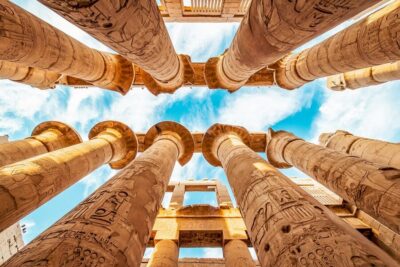
Luxor Valley of the Kings & Tutankhamun Tomb Trip
Read our review →
Small group Hurghada to Luxor, Valley of the Kings by Van
Read our review →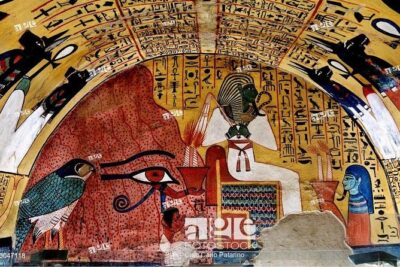
Luxor Day Tour: Valley of Kings & Queens & Hatchepsut Temples
Read our review →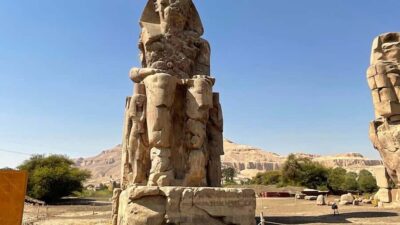
Valley of the Kings and Hatshepsut Temple Day Tour
Read our review →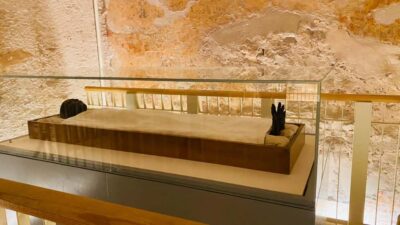
Luxor Tour with Valley of Kings, Karnak & Tut Tomb
Read our review →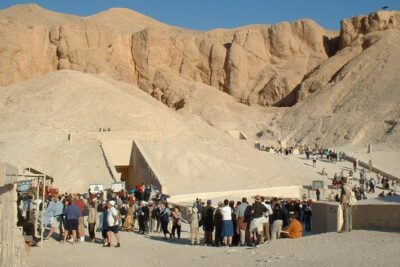
Valley of Kings, Hatchepsut Temple ,Karnak & Luxor-DayTour
Read our review →
Small Group Excursion to Luxor Valley of the Kings from Hurghada
Read our review →
Valley of Kings Hatshepsut & Karnak Luxor Day Trip
Read our review →Browse the lists this tour appears in