
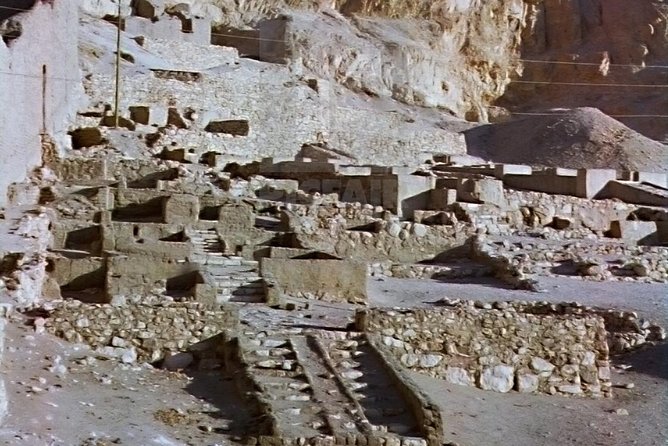
Reviewed · VALLEY OF THE QUEENS
Private Habu Temple, Valley of the Artisans, Valley of the Queens from Luxor
Luxor’s West Bank is where the story of ancient Thebes gets written in stone, and this route ties together Ramesses III at Medinat Habu with the quieter places that supported royal tomb building. I like that you get a personal guide who explains what you are seeing, from religious ideas to burial rites. I also like the practical bundle of hotel pickup, private A/C transport, and entrance fees handled for you. The main consideration is the heat and the early start, so bring sun gear and plan to do some walking on uneven ground.
With about 6 hours on the schedule, you see three major sites without trying to speed-run your day. I like that it is private, meaning you can move at your pace and ask questions without feeling like you are in a stampede. One caution, tour quality often comes down to the guide. When you choose this kind of tour, you should expect to speak up early if you want extra explanation.
The best part is the contrast: Medinat Habu’s preserved reliefs, Deir el-Medina’s worker history, and the Valley of the Queens, where royal wives and also royal children had tombs tended with daily rituals. If you want the most famous names on the postcard, you might be looking at a different route, but if you care about art and how people lived and worked around the afterlife, this day makes a strong case.
Key things that make this tour work well
- Private West Bank route from Luxor with hotel pickup and drop-off
- Entrance fees included plus bottled water and snacks
- Medinat Habu (Temple of Ramesses III), a long mortuary temple with vivid reliefs
- Deir el-Medina (Valley of the Artisans), the village of the artisans who worked on royal tombs
- Valley of the Queens (Ta-Set-Neferu), burial for queens, princes, and royal nobility with mortuary priest rituals
- Quieter viewing time that helps you look closely instead of just checking boxes
Why this West Bank day feels smarter than a hit list
This tour is built for people who want to understand what they are looking at. You are not just stopping at three dots on a map. You are moving through a linked world. The West Bank was the religious and burial zone for ancient Thebes, so the sites connect through the same big ideas: gods, the afterlife, and how tombs stayed cared for.
I also appreciate the time structure. About two hours per stop is enough to get meaning out of the art, not just a fast look at carvings. It is long enough to notice details, then ask follow-up questions while everything is still fresh in your brain.
One more thing: this is a private format, so the day can feel calmer. Several guides highlighted in past tours, like Aliaa and Soosan, were praised for patient pacing and clear English. That matters here, because West Bank sites reward people who slow down and ask. Even if your Arabic reading is zero, your guide can help you see hieroglyphic themes and scenes in context.
Heat and sun are real. One review specifically pointed out that it would be better if temperatures were lower. So you will want to take the tour’s morning timing seriously. Dress for sun, bring a hat, and plan to drink water often.
More Valley of the Queens trips:
- Luxor Day Tour: Valley of Kings & Queens & Hatchepsut Temples
★ 5.0 · 1,496 reviews - Luxor: Valley of the Kings and Queens Guided Tour with Lunch
★ 4.5 · 337 reviews - Luxor: West Bank Kings and Queens All-Inclusive Tour & Lunch
★ 4.5 · 298 reviews
Medinat Habu: Ramesses III’s mortuary temple and the joy of detailed reliefs
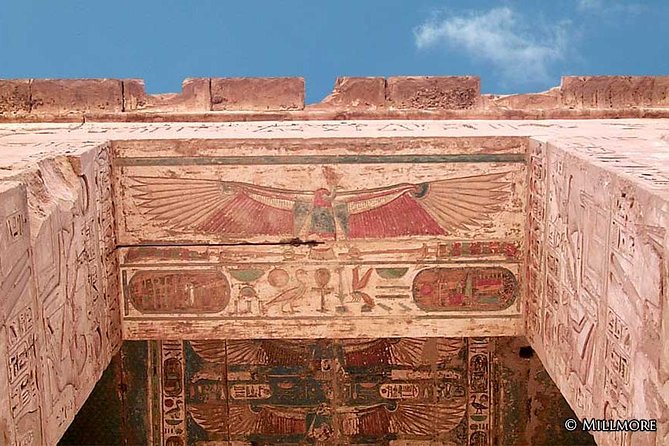
Your day starts with pickup from your hotel or Nile cruise area in Luxor, then a private A/C ride to the West Bank. The first stop is Medinat Habu, associated today almost exclusively with the mortuary temple of Ramesses III.
What makes Medinat Habu worth your attention is scale and preservation. The temple is about 150 meters long, and the design is described as orthodox, with a layout that resembles the mortuary temple of Ramesses II. In plain terms, it is not a tiny stop. You get space to walk, look up, and absorb scenes without feeling like you are trapped in a single photo spot.
At Medinat Habu, the guide’s job is huge, because temple reliefs can look like busy stone if no one explains the “why.” A lot of praise from past tours went to guides who could read hieroglyphs fluently and explain details clearly. Names like Sam and Adel came up in that context. When that happens, you start to see patterns. You notice how the Egyptians used images to reinforce religious ideas, how scenes tie to kingship and the afterlife, and how the temple functioned beyond just being impressive.
A drawback to watch for: you may find that not every guide talks at the same depth. One negative comment mentioned a guide not explaining history clearly and leaning on humor instead of answers. To protect yourself from that, do not wait. Ask your first question early, something simple like what to look for in the main reliefs. If you feel you are getting quick jokes instead of real explanations, ask again with a clear goal: what does this scene mean?
Deir el-Medina (Valley of the Artisans): the worker village behind the royal tombs
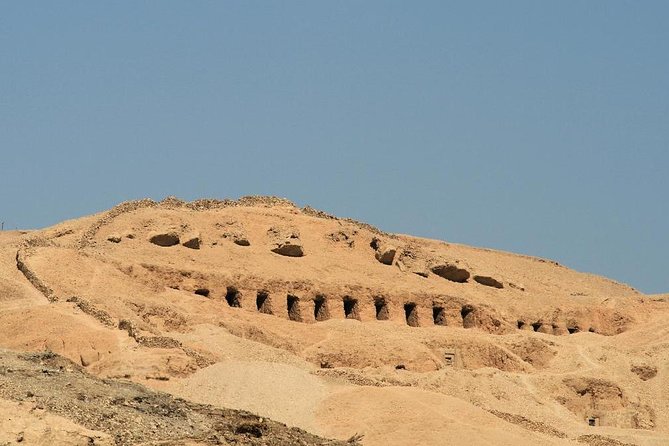
After Medinat Habu, you continue to Deir el-Medina, often called the Valley of the Artisans. This is the “how it got made” side of Luxor’s West Bank story.
Deir el Medina was an ancient Egyptian village home to the artisans who worked on tombs in the Valley of the Kings during the 18th to 20th dynasties of the New Kingdom period. That is roughly 1550 to 1080 BC. The key idea is simple: you are seeing the workers’ world, not just the pharaohs’ world.
I love that this stop gives you context. Most people come to Luxor thinking about kings and queens only. Here, you learn that tombs were built by communities with specialized skills, schedules, and daily lives. The building and decorating of royal tombs required coordination, and Deir el Medina was the village that supported that work.
There is also a visual bonus. The paintings can look surprisingly fresh, and when your guide points out what you are seeing, it clicks. You start recognizing how color and composition were used to carry religious messages, not just decorate walls.
The main practical consideration is that you should come in ready for outdoor heat and shade changes. Plan water breaks and take your time inside shaded areas if they exist at your route. Also, if you are someone who cares about art more than geography, this stop is worth spending a bit more attention on. It is less famous than the Valley of the Kings, so the art can feel closer and less rushed.
One more note from the field: if access changes on the day, some guides may suggest alternatives nearby. In at least one case, a guide recommended substituting the Valley of the Artisans with tomb visits in the Valley of the Nobles. That is not a guarantee, but it is a good reason to listen and ask whether your guide can adjust if something is closed or limited.
Valley of the Queens: Ta-Set-Neferu, royal burial, and the quieter side of power
Your final major stop is the Valley of the Queens, located on the West Bank near the Valley of the Kings. In ancient times, it was known as Ta-Set-Neferu, meaning the place of the Children of the Pharaoh. That name matters because it signals who was buried here. You are not only looking at queens. You can also find tombs of princes and princesses and royal nobles associated with the royal family.
This valley is about the afterlife, but also about the everyday mechanism that kept the afterlife alive. Tomb maintenance was handled by mortuary priests who performed daily rituals and provided offerings and prayers for the deceased. When you understand that, the tombs stop being static. They become part of a working system that supported royal belief over time.
I also like that the valley tends to feel quieter. One guide emphasized the quietness in relation to the tomb of Nefertari being closed for renovation, which affected what was available. Translation for your planning: you might not get the exact tomb list you expect. If that happens, focus on what is open and use your guide to explain the royal relationships and the purpose of each tomb you can access.
If your goal is to see Luxor’s royal burial art without the biggest crowds, this is a strong place to spend your last hours. The route is also a good balance after Medinat Habu and Deir el Medina. You go from king-focused temple scenes, to artisan life, then to royal burial focus. It feels like a connected story instead of three separate errands.
A different kind of day out of Luxor:
- Hurghada: Luxor Valley of the Kings & Tutankhamun Tomb Trip
★ 4.7 · 13,208 reviews - Luxor Day Trip from Hurghada Small Group & Tutankhamun Tomb
★ 4.8 · 5,366 reviews - Hot Air Balloon Ride in Luxor Egypt with Transfers Included
★ 5.0 · 4,319 reviews - Luxor: Shared Full-Day Tour to Luxor West and East Banks
★ 4.5 · 1,812 reviews
Price and value: what $55 covers and why that matters
At $55 per person, the real question is what you are getting for that money. Here, the tour is set up to include the stuff that usually adds up fast on the West Bank: entrance fees, hotel pickup and drop-off, and private round-trip transport in a latest-model private A/C vehicle. You also get a tour guide, plus bottled water and snacks.
In other words, you are not doing the classic problem where you pay for the driver, then pay entrance fees separately, then end up hunting for cash and timing at the gate. For a day with three sites, that smoother flow matters.
It is also a value move because you are paying for time with an expert guide. When a guide can read hieroglyphs well and explain scenes, you get more than a checklist of names. You walk away with meaning. Guides like Ahd, Reham, Heaham, and Nermeen Melad were repeatedly praised for turning the sites into something you can understand and remember.
One caution on value: this is a private tour. That is great for flexibility. But it also means the experience depends on getting along with your guide and driver. If you are someone who wants a highly structured lecture style, or someone who wants lots of questions answered, plan to set that tone early.
Timing, transport, and how to plan your day like a pro
This tour runs about 6 hours and includes a morning pickup, typically around 7:00 am. That is not random. Early morning is when the West Bank is most tolerable, and it gives you a better shot at enjoying details without melting.
Transport is handled by a private A/C vehicle. That is a real quality-of-life upgrade in Luxor because you are dealing with longer drives between West Bank sites. You also get pickup from your hotel or Nile cruise, which reduces the stress of meeting at a random point.
Each stop includes admission tickets, and the schedule allots about two hours per site. That is a fair amount of time if you want to do some reading, look at wall scenes, and still have time to breathe between photo moments.
A practical note from experience in the region: bring a small daypack with water (even though bottled water is included), sunscreen, and something for your shoulders or head. One review noted that it would have been better if temperatures were below 110 F, which tells you what kind of conditions you may face in hotter months.
How the guide makes Medinat Habu, Deir el-Medina, and the Queens click
This is the part you can control. You cannot control heat, and you cannot control building access changes. But you can control how much you get out of the visit by using your guide well.
When guides were praised most, it usually boiled down to three things:
- Clear explanations in English
- Patience for questions
- A sense of how to connect art to belief
Names that stood out included Aliaa, Soosan, Ahd, Sam, Ahmed, Osama, Shereen, Reham, and Angie. A couple of those mentions also tied to hieroglyph reading and fluent explanation, which means you get more from the carvings than just the surface story.
Use a simple strategy. Ask what to look for at the start of each site, then come back to one question you care about, like:
- What is the main religious idea behind this scene?
- Who are the people shown, and why does the king matter here?
- How did mortuary priests support the tomb over time?
If you do not ask, you can still enjoy the art. But you will likely move through faster and miss the connections that make the West Bank feel like a coherent world.
Also, keep your expectations flexible. Some tours can adjust based on what is open. And on this route, access at the Valley of the Queens can vary due to renovation schedules, like the tomb of Nefertari being closed. A good guide handles that gracefully by steering you toward what is available and explaining the bigger picture.
Who should book this tour, and who might want a different plan
This private route is a great fit if:
- You want a guided West Bank day that includes entrance fees and transport
- You care about burial culture and how art supported religious beliefs
- You prefer fewer crowds and more time looking closely
It may not be ideal if:
- You want only the most famous, headline tombs and nothing else
- You dislike walking in heat, since this is outdoors for multiple hours
- You are very rigid about the exact tomb lineup, since openings and closures can affect what you see
Still, the structure is built to keep the day meaningful. Medinat Habu gives you the temple story of a powerful king. Deir el Medina gives you the worker village behind the tombs. The Valley of the Queens gives you the royal burial rites and the role of daily ritual support.
That trio is the reason this feels like more than a checklist.
Should you book the Private Habu Temple and Queens route?
I think this is an easy yes if you want a high-value, low-stress West Bank day. The price makes sense because it bundles entrance fees, private A/C transport, a guide, and hotel pickup and drop-off. You also get bottled water and snacks, which keeps the day from turning into logistics.
Book it if you care about meaning, not just photos. This route rewards patience and good questions. If you get a strong guide, like the ones repeatedly praised in the past, you can leave with a real understanding of Theban religion, burial rites, and how the temples and tombs worked together.
If you are heat-sensitive or very picky about which exact tombs you must see, plan to be flexible. Access at the Valley of the Queens can change, and you are outdoors for most of the day. But even with those realities, the experience is still a smart way to see Luxor’s West Bank art up close without feeling packed in.
FAQ
How long is the private tour?
The tour lasts about 6 hours.
Does the tour include hotel or Nile cruise pickup and drop-off?
Yes. Pickup and drop-off at hotels in Luxor are included, and pickup can also be from your Nile cruise.
Are entrance fees included?
Yes. Entrance fees are included in the tour.
What is included in the price?
The tour includes private round-trip transfers by A/C vehicle, entry fees, hotel pickup and drop-off, a tour guide, and bottled water. It also includes water and snacks as part of the tour features.
What is not included?
Lunch, personal items, tipping, and any optional tours are not included.
Can I cancel for a full refund?
Yes. You can cancel up to 24 hours in advance for a full refund. If you cancel less than 24 hours before the start time, the amount you paid is not refunded.
Reviewed most recently around Luxor
- Camel or Horse ride on west bank★ 5.0 · 20 reviews
- Nefertari and King Tut’s Tombs, Hatshepsut and More in Luxor★ 4.5 · 20 reviews
- Private Day Tour of Luxor★ 5.0 · 20 reviews
- Private Transfer from Luxor to Marsa Alam or vice versa★ 5.0 · 20 reviews
- Private Transfer Luxor to Aswan★ 5.0 · 20 reviews
- 5 Days Nile Cruise from Luxor to Aswan with Hot Air Balloon★ 5.0 · 20 reviews
- Private Full Day Tour: Dendera & Abydos Temples from Luxor★ 5.0 · 20 reviews
- Full Day Luxor East and West Banks Tour With Lunch★ 5.0 · 20 reviews
Valley of the Queens, compared.
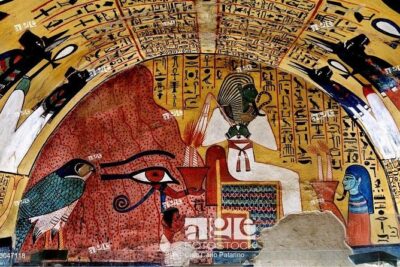
Luxor Day Tour: Valley of Kings & Queens & Hatchepsut Temples
Read our review →
Valley of the Kings and Queens Guided Tour with Lunch
Read our review →
West Bank Kings and Queens All-Inclusive Tour & Lunch
Read our review →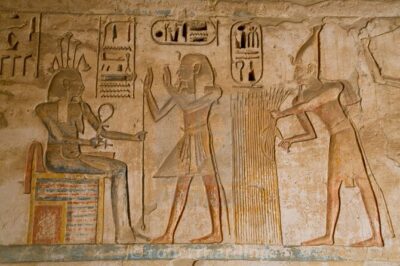
Luxor Day Tour: Explore Valley of Kings, Queens, Hatshepsut& More
Read our review →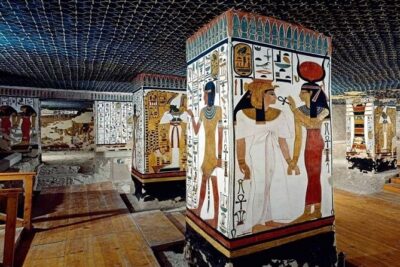
Valley of the Kings and Queens Guided Tour from Luxor with Lunch
Read our review →
Full Day East Bank, West Bank, and Valley of the Queens in Luxor
Read our review →
Private King Tut’s Tomb, Valley of the Kings & Queens, Hatshepsut
Read our review →
Balloon, East Bank, West Bank, and Valley of the Queens in Luxor
Read our review →Browse the lists this tour appears in