Reviewed · 1-DAY TOURS
Day Trip to Luxor Highlights from Safaga Port
Luxor in one day is the kind of plan that sounds impossible until you see why it works. This private shore excursion from Safaga strings together the best hits on both sides of the Nile, with a real rhythm to the schedule, not just a checklist.
I especially like the early West Bank start that gets you into the Valley of the Kings while the day is still fresh, and I like that you’re doing it with a qualified Egyptologist guide. When the guides are strong, like Samar Nagi, Mohammed, Hassani, or Ayman, the whole day feels clearer and more personal, not rushed.
One consideration: the sites are huge, so even with a well-run plan you may feel Karnak gets less time than you want. Also, lunch is included, and the plan is often a Nile setting, but one guest noted the meal setup wasn’t exactly what was expected, so if Nile views matter a lot to you, ask what the lunch location looks like.
Key points before you go
- West Bank first, East Bank second: You’ll do the Valley of the Kings and Hatshepsut before crossing the river for Karnak.
- Valley of the Kings with tomb interiors: You can enter selected tombs, with the optional Tutankhamen tomb for an extra cost.
- Hatshepsut at Deir el Bahari is built for scale: Three levels and ramps give you an instant sense of how power projected itself in stone.
- A “pause” that isn’t wasted time: Lunch is included, then you transition to the East Bank sights.
- A felucca cruise at the end softens the long day: About 30 minutes on the Nile to wrap things up on a calmer note.
- Max group size is capped: Even though it’s private, the operator lists a maximum of 35 travelers, so it’s best to ask how “private” will feel for your exact departure.
Why Luxor from Safaga can feel like a smart, not crazy, plan
Safaga is not the place you normally build a long Luxor stay around. It’s a cruise port. So if you want Luxor’s big ancient highlights with limited vacation time, a day trip is often the only practical move.
What makes this itinerary appealing is the mix of “wow factor” sites that are all in the Luxor orbit. You get the royal tomb world first, then Hatshepsut, then the giant remnants of Amenhotep III, and finally the massive Karnak complex. Add the felucca cruise at the end, and your day doesn’t end with temples and heat only.
The schedule also respects the one-day reality. It’s long, yes, but it’s built around a sequence that minimizes backtracking: West Bank sights first, then crossing to the East Bank, then the Nile boat to close.
Other Hurghada days people put in the same week:
- From Hurghada: Cairo and Giza Highlights Full-Day Tour
★ 4.5 · 6,014 reviews - Hurghada: Luxury Cruise Trip to Orange Bay with Lunch
★ 4.9 · 5,451 reviews - Hurghada: Orange Bay Island Boat Trip w/ Breakfast and Lunch
★ 4.9 · 5,345 reviews
Getting to Luxor: early pickup and a drive that sets the tone
This tour starts early. Your pickup time is 5:30 am, and the pickup point is Safaga Port (the exit door from your cruise ship). You’ll travel to Luxor in a modern A/C vehicle, with bottled water included.
That early departure is not just about logistics, it changes the feel of the visit. The Valley of the Kings and Hatshepsut are both outdoor and sun-exposed areas, so getting going early helps you avoid the worst of the day’s heat and glare.
You’ll also meet your private Egyptologist guide once you arrive. This matters because you’re not simply hopping between sites. The guide’s job is to connect what you’re seeing, like why Hatshepsut’s temple layout feels so theatrical, or what you’re looking at inside tombs where decorations are still well preserved.
Valley of the Kings: royal tombs, tomb interiors, and the Tutankhamen question
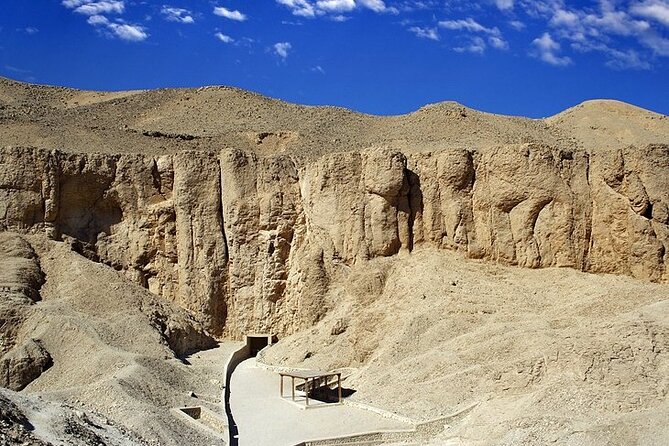
The Valley of the Kings (also known as the Necropolis of Thebes) is the centerpiece of the West Bank. It’s listed as housing tombs for rulers from the 18th to the 20th dynasty, and the mountains are described as holding over 63 royal tombs dating from the 2nd century BC. That gives you a sense of scale, even before you start walking.
The best part is that you’re not limited to seeing tomb exteriors. You’ll have time to visit tombs and you may enter some of them, with many decorations inside noted as still well preserved. That inside look is what turns “I’ve seen photos” into “I get it.”
Here’s the key decision point: the tomb of Tutankhamen is described as an option but with extra cost. If you’re a visitor who really wants that specific tomb, plan to bring the extra budget. If you’d rather spread time across more tombs, you can focus on what’s included without spending more.
Practical note for how to experience this stop: keep your expectations realistic. The Valley is not one tidy museum hall. It’s a working archaeological landscape, so you’ll spend time moving between points and then pausing when your guide explains what you’re looking at.
Deir el Bahari and Hatshepsut Temple: why this stop often feels like the highlight
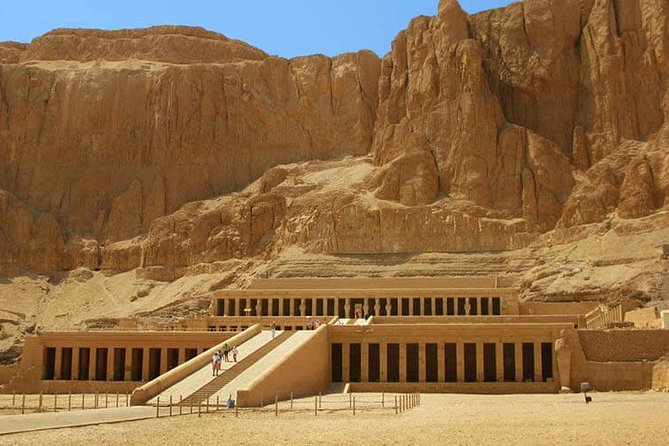
Next up is the Temple of Queen Hatshepsut at Deir el Bahari, one of the best-preserved Egyptian temple complexes in the area. The big reason this feels memorable is its design.
You’re told the temple sits on three levels, connected by two wide ramps. When you’re standing in the layout, that architecture does what good monuments always do: it tells you the story of power. You get a sense of control over distance and elevation, not just decoration.
This is also one of those sites where a guide makes a difference. You’re not just looking at stone. You’re learning how the temple’s layout guides the eye and movement, and why this particular queen’s temple became an enduring statement.
This stop is scheduled at about one hour, so you’ll see the core features. If you’re the type who loves slow photography and long pauses, you might want extra time, but in a day trip you’re balancing.
A different kind of day out of Hurghada:
- Hurghada: Royal Seascope Submarine Cruise with Snorkel Stop
★ 4.4 · 4,637 reviews - Hurghada: 3 Islands, Dolphins & Snorkel Yacht Trip w/ Lunch
★ 4.7 · 4,609 reviews - Hurghada or Makadi: Discover the Magic of Dolphin House
★ 4.8 · 4,198 reviews - Sindbad Submarines – Hurghada (Egypt) – 2 Hours
★ 5.0 · 3,985 reviews
Colossi of Memnon and Medinat Habu: big stone remnants and a quick history hit
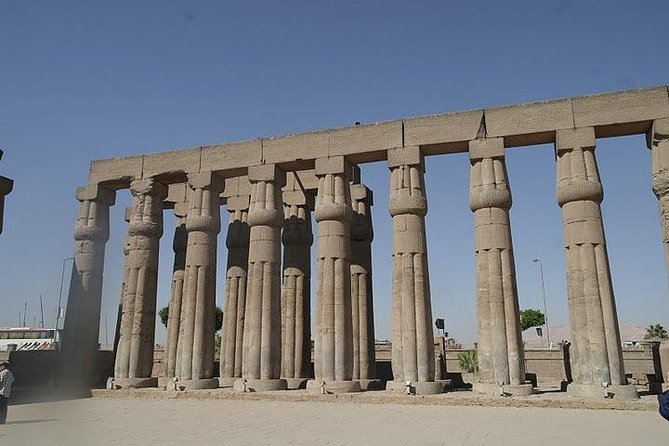
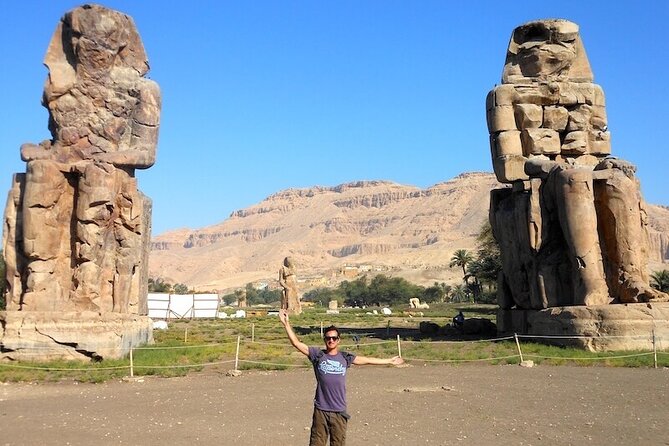
After Hatshepsut, you’ll see the Colossi of Memnon, two massive stone statues of King Amenhotep III. These statues are described as the only remains of a complete mortuary temple, which is a striking way to understand what you’re looking at.
The material story is a fun detail that makes the stop more than a photo op. The statues were made from blocks of quartzite sandstone, and those blocks existed in Cairo before being moved roughly 700 km to Luxor. That kind of logistics instantly makes ancient Egypt feel less abstract.
Right after, the day keeps moving toward lunch. And the broader description also includes a visit to the Temple of Medinat Habu (Temple of Ramses III). Even if your time there is shorter than your imagination wants, it adds variety. You shift from the royal tomb story to the living presence of major pharaohs expressed through temple building.
This whole segment works well if you like variety in subject matter. It gives you monumental scale, then a shift to temples, then you break for food without the day stalling out.
Lunch on the Nile and the rhythm of the afternoon
Lunch is included, and it’s described as an Egyptian-style lunch served at an island restaurant in the middle of the Nile River. That setting is part of the value here. A long day on the move can get grim if lunch is just rushed and dry. Here, the plan is to give you a proper pause with Nile surroundings.
There’s one caveat from the real world: one guest noted lunch was not with Nile views as expected. That doesn’t mean you’ll have a bad meal. It means if scenery is a must for you, you’ll feel safer if you confirm the lunch arrangement close to your departure or speak with the guide on the day.
Your lunch break also has a practical benefit. It positions the afternoon for the East Bank. After lunch, you cross to the modern city side and shift from the West Bank narrative to Karnak.
Karnak Temples: when you have only a few hours, focus on the right moments
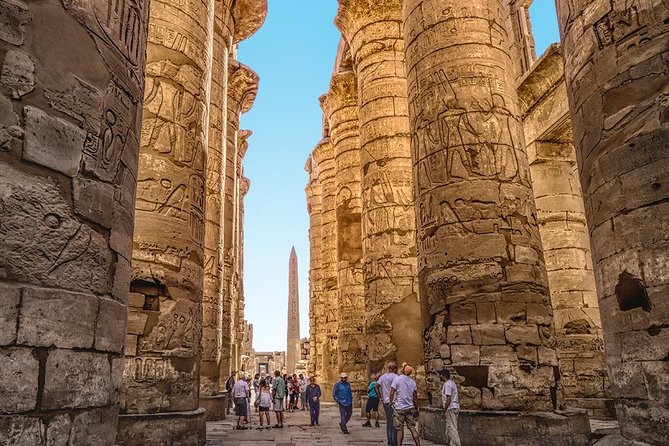
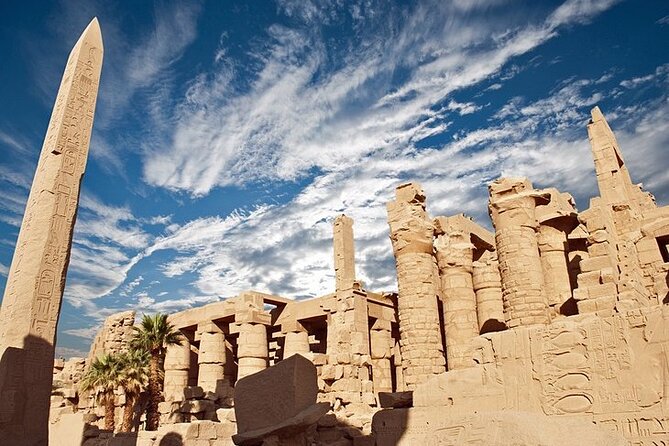
Once you’re on the East Bank, the main draw is the Karnak Temples complex. This is not a single temple. It’s described as the largest temple complex ever built by man, spread across 247 acres, and built over a long span from 2055 BC to 100 BC.
Karnak is also described as being made of three main temples within the larger complex. If you’ve ever felt overwhelmed in huge sites, Karnak can do that to you quickly. The difference here is that the visit highlights key parts, like:
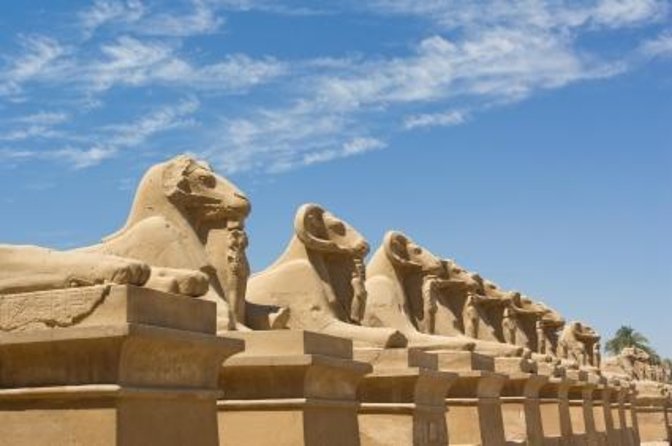
- Avenue of the Sphinxes
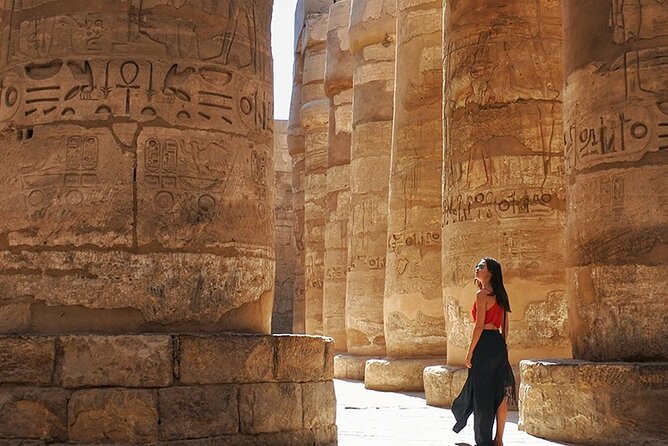
- The Great Hypostyle Hall
- The Sacred Lake
The stop is listed at about two hours, and that’s where timing becomes the trade-off. One practical consideration is that Karnak can feel like it needs more time because there’s so much to see. The good news is that the highlights listed above are the parts that define the place, so if your guide keeps you moving efficiently, you still come away understanding why Karnak matters.
If you’re a detail person, use your limited time to pick your priorities. Ask your guide what you should pay attention to in Hypostyle Hall, or which elements best explain the site’s long building history. That way you’re not just moving through, you’re collecting meaning.
The felucca cruise: the calm closer after temples and tombs
To finish the day, you’ll set sail on a traditional felucca for about 30 minutes along the Nile. It’s scheduled after Karnak, so it works like a release valve.
This is not the kind of activity that replaces the ancient sites. It’s the moment where you get your bearings. You’re coming off stone corridors, courtyard heat, and a lot of walking, and suddenly you have open water and a slower pace.
Even if you’ve been on boats before, this kind of short cruise is a classic way to end a Luxor day trip because it lets you reset visually. The Nile itself is the connecting thread between East and West, so having that water view at the end ties the day together.
Value and price: what $294.12 really buys you
The price listed is $294.12 per person, and the tour lasts about 12 to 15 hours. The value story here is the inclusion list.
You’re told the tour includes:
- Port pickup and drop-off at Safaga
- A professional guide (qualified Egyptologist)
- Bottled water
- Lunch
- Entrance fees for the included sights
- All taxes, fees, and handling charges
- A mobile ticket
That matters because Luxor day trips can get expensive fast when you add up transport, entrance tickets, and a guide. Here, those pieces are bundled, which makes budgeting easier.
Also, the tour is described as private and can be customized to your interests. Realistically, customization depends on time, but having the option is useful if you have strong preferences like extra time for tombs or more focus on Karnak architecture.
There’s also a listed maximum group size of 35 travelers. “Private” here seems to mean you’re traveling with your own guide and in your own vehicle, not joining a giant bus crowd. Still, on cruise excursions, that maximum size is worth keeping in mind.
Who this tour suits best (and who should think twice)
This Luxor day trip from Safaga is a good fit if:
- You want the big Luxor highlights without the stress of independent planning
- You prefer having an Egyptologist guide organize the meaning of what you see
- You like structured days when time is tight
- You’ll appreciate the mix of tombs, temples, and a Nile boat
It may feel like a lot if:
- You’re the type who needs long, unhurried time at just one site
- You’re sensitive to early mornings and long driving hours
- You care a lot about the exact lunch setup and views, since the dining experience can vary
If you’re traveling with kids, the day is long, but the tour data also states that most travelers can participate. One past example pointed to a guide who helped a family with a toddler feel comfortable during the drive, which suggests the guide can be flexible in how the day runs. Still, you should be prepared for a full, busy schedule.
Practical tips to make the most of a 12 to 15 hour day
This is a long day, so your best strategy is to travel ready, not perfect.
- Wear comfortable walking shoes. Tombs and temple areas involve uneven stone paths and stairs.
- Bring sun protection like a hat and sunscreen. The itinerary is heavy on outdoor monuments.
- Stay hydrated. Bottled water is included, but you’ll likely want extra as conditions heat up.
- Plan your tomb priorities early. If Tutankhamen is on your must-see list, budget for the extra cost and decide in advance.
- Use your guide for focus at Karnak. Two hours can feel short, but a good guide helps you “see the whole” through the major elements.
- Lean into the felucca at the end. It’s your chance to slow down and appreciate the Nile after all the walking.
Should you book this Luxor day trip from Safaga?
If your ship schedule gives you only one full day and you want Luxor’s most famous experiences in one organized plan, I’d say this is a strong option. The biggest reasons are the bundled inclusions, the guide-led visit to the Valley of the Kings, and the fact that you end with a felucca cruise instead of just getting dumped back at the port.
Book it with eyes open if you’re picky about time at Karnak or you care deeply about lunch with Nile views. Those are the two places where the real-world details can feel different from what you might hope.
For most visitors, though, the combination of West Bank highlights, East Bank grandeur, and a calmer Nile finish is exactly what a one-day Luxor escape should feel like: full, organized, and unforgettable for the right reasons.
FAQ
How long is the Luxor day trip from Safaga?
The tour runs about 12 to 15 hours.
What time does the tour start?
Start time is 5:30 am.
Where do you get picked up?
Pickup is from Safaga Port, at the exit door of your cruise ship.
Do you visit both the West Bank and the East Bank?
Yes. You explore the West Bank first, then you cross to the East Bank for Karnak.
Is lunch included, and what kind of lunch is it?
Lunch is included. It is described as a typical Egyptian lunch served at an island restaurant in the middle of the Nile River, and the itinerary also describes it as oriental food.
Are entrance fees included for the main sites?
Yes. Admission tickets for the included stops are listed as included.
Is the tomb of Tutankhamen included?
The tomb of Tutankhamen is optional and has an extra cost.
What attractions are included besides the Valley of the Kings?
You also visit the Temple of Hatshepsut at Deir el Bahari, the Colossi of Memnon, the Karnak Temples, and the day description also mentions the Temple of Medinat Habu (Temple of Ramses III).
Do you include a Nile cruise?
Yes. You’ll take a traditional felucca cruise along the Nile for about 30 minutes.
What is the cancellation policy?
Free cancellation is available up to 24 hours in advance for a full refund. If you cancel less than 24 hours before the experience starts, the amount paid is not refunded.
Reviewed most recently around Hurghada
- Desert Safari Tour by ATV Quad Bike and Camel Ride – Hurghada★ 5.0 · 20 reviews
- 2 Hours Semi-submarine, and 3 Hours ATV Safari, Camel Ride, & Parachute-Hurghada★ 4.5 · 21 reviews
- Orange Bay Island By Private Speedboat & Snorkeling & Water Sport – Hurghada★ 4.5 · 21 reviews
- Panorama Semi Submarine Tour & Snorkeling Sea Trip With Transfer – Hurghada★ 4.5 · 21 reviews
- Hurghada Panorama Submarine Boat Trip with Snorkel and Drinks★ 5.0 · 21 reviews
- Private tour Hurghada to Luxor★ 5.0 · 21 reviews
- Cairo Tour by bus, Pyramids, Sphinx & Museum with Lunch -Hurghada★ 4.5 · 21 reviews
- Orange Bay snorkeling tour with Lunch – water sports★ 5.0 · 21 reviews
1-Day Tours, compared.
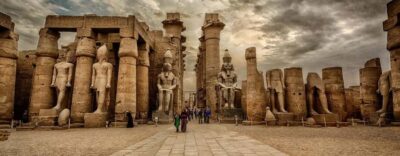
Luxor Day Trip from Hurghada Small Group & Tutankhamun Tomb
Read our review →
Cairo Pyramids, Sphinx & Egyptian Museum Day Trip
Read our review →
Orange Bay Day Trip with Water Sports and Lunch
Read our review →
From Cairo Alexandria Catacombs, Citadel Day Trip with Lunch
Read our review →
1-day trip to Cairo with flight from Hurghada / Makadi Bay / Soma Bay / El Gouna
Read our review →