
Reviewed · LUXOR TOURS
Day Tour: East and West Banks of Luxor
Luxor is one of Egypt’s most satisfying places to travel fast, because the big ruins are stacked along the Nile. I love that this tour hits both sides of the river, so you get West Bank tomb legends plus East Bank temple drama in the same outing. I also like that hotel pickup and lunch are included, which keeps the day from turning into a logistics puzzle. The main catch is simple: you’re moving through a lot of sites, so by late afternoon it can feel like a long, tiring rhythm.
This is also the kind of tour where the guide makes a real difference. On past departures, guides such as Ashraf, Amr, Hady, Mido, Mohammed, and Wael are mentioned for being friendly and bringing strong context to what you’re seeing. If you prefer a slower pace, or if tips make you uncomfortable, plan carefully.
Quick hits
- West Bank first, with Valley of the Kings tombs and multiple royal names tied to the Pharaohs
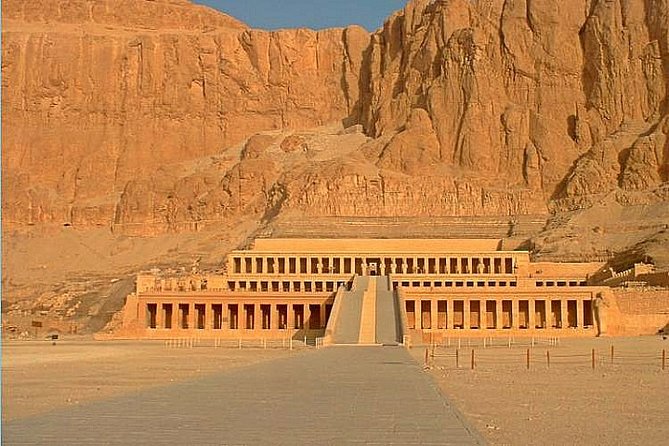
- Deir el Bahari and Hatshepsut’s temple with striking terrace views and a memorable setting
- Colossi of Memnon plus Medinat Habu (Ramses III) to round out the West Bank story
- Karnak Temples on the East Bank featuring the Avenue of the Sphinxes, Great Hypostyle Hall, and Sacred Lake
- Temple of Luxor to close the loop, started by Amunhotep III and finished by Ramses II
- Entrance fees are extra (Valley of the Kings 240 LE, Hatsheput 140 LE, Karnak 200 LE, Luxor 160 LE), so budget beyond the $29 rate
East and West Banks in one sweep: why this Luxor tour works
This day tour is interesting because Luxor is basically two worlds separated by water. The West Bank feels like the land of burial and memory, where the cliffs hide tomb entrances. The East Bank feels more like daily life made stone, with temples built to worship and impress.
You also get a clean structure: start early, see the big West Bank hits, take a real lunch break, then cross for Karnak and Temple of Luxor. For many visitors, that is the sweet spot when you have limited time.
The downside is that the day is built for efficiency, not lounging. If you like to wander slowly, sketch, or re-read every sign twice, you may want two separate days instead of cramming both sides into one.
Other Luxor days people put in the same week:
- Hurghada: Luxor Valley of the Kings & Tutankhamun Tomb Trip
★ 4.7 · 13,208 reviews - Luxor Day Trip from Hurghada Small Group & Tutankhamun Tomb
★ 4.8 · 5,366 reviews - Hot Air Balloon Ride in Luxor Egypt with Transfers Included
★ 5.0 · 4,319 reviews
Price and what you really pay, $29 plus site tickets
The listed price is $29 per person, which is strong value for a day that includes hotel pickup and drop-off (for selected hotels), bottled water, and lunch. Where you need to be honest with your budget is entrances.
You’ll pay entrance fees on top of the tour price:
- Valley of the Kings: 240 LE
- Hatshepsut Temple: 140 LE
- Karnak Temple: 200 LE
- Luxor Temple: 160 LE
So you’re not just buying a ride and a guide. You’re buying access to the places that make Luxor feel like Luxor.
Also note what is not included: drinks (beyond the bottled water). That matters in Egypt because keeping hydrated is not optional, and a cold drink can quietly add up.
Hotel pickup, private vehicle comfort, and a day that starts at 8am
Your day begins with pickup from your central Luxor hotel around an 8am departure time. Expect travel in a private vehicle, with your guide working as your in-day translator for the ruins.
The tour is capped at a maximum of 15 travelers, so it’s not a massive bus crowd situation. That said, the day still moves like a program. You’ll have guide time at key points, then pockets for your own exploring.
A small practical tip: wear comfy shoes and plan for sun and dust. These sites are outdoor-heavy, and the West Bank heat can be sharp, even when the morning feels cool.
West Bank first: Valley of the Kings tomb visits and Pharaoh names that matter
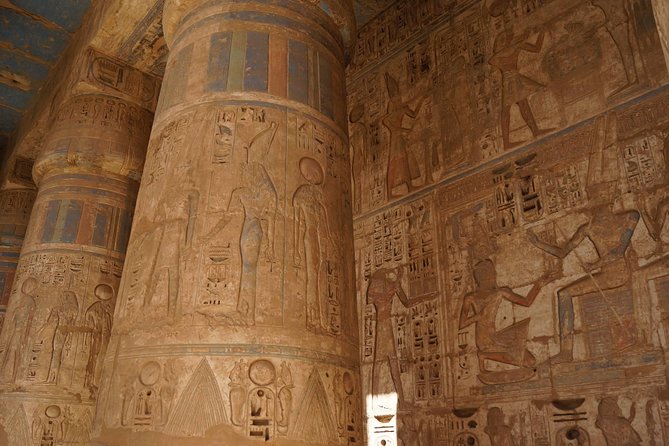
Starting on the West Bank makes the whole day feel more logical. You begin in the Valley of the Kings, a UNESCO-listed necropolis with mountains holding over 63 royal tombs (dating from the 2nd century BC, as presented by the tour).
What makes this stop worth the time is that you do not just look from outside. You enter tombs, including those tied to:
- Tutmosis I
- Tutmosis III
- Tut-Ankh-Amon
- Ramses VI
- Mrenptah
- Amonhotep II
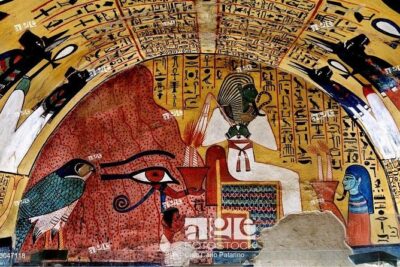
Even if you know a few names from school, standing inside a tomb changes the experience. You see scale, placement, and the way carvings were built for a specific kind of spiritual journey, not for modern selfies.
Practical note: entrance tickets are extra (240 LE). If you want to maximize your time inside, ask your guide what to prioritize once you arrive, because tombs are not uniform, and your attention will drift if you try to do everything without a plan.
A different kind of day out of Luxor:
- Luxor: Shared Full-Day Tour to Luxor West and East Banks
★ 4.5 · 1,812 reviews - Luxor: Hot Air Balloon Ride over Luxor Relics
★ 4.8 · 1,681 reviews - Luxor Day Tour: Valley of Kings & Queens & Hatchepsut Temples
★ 5.0 · 1,496 reviews - Full Day Tour to East and West Banks of Luxor
★ 5.0 · 1,449 reviews
Deir el Bahari and Hatshepsut’s temple terraces, a West Bank highlight
After the tombs, the tour heads to the Temple of Queen Hatshepsut at Deir el Bahari. This is one of Luxor’s most photogenic settings, with terraces that feel engineered to frame the view.
What makes the visit special is how it contrasts with the Valley of the Kings. Tombs are about secrecy and the underworld. Hatshepsut’s temple is about grandeur in the daylight, a place where kingship is displayed through stone and geometry.
You’ll also see the surrounding West Bank archeological area, and it pairs well with the next stops on the itinerary. If you’re hoping for one West Bank moment that feels almost cinematic, this is the one.
Colossi of Memnon and Medinat Habu: two stops that change the pace
The tour includes the Colossi of Memnon and the Temple of Medinat Habu (Temple of Ramses III).
The Colossi of Memnon are big, weathered statues that signal scale fast. You might think you know what a statue is, then you stand in front of these and realize size is its own storytelling tool.
Medinat Habu adds depth because it shifts you toward late New Kingdom royal building. It’s not just another temple. It’s part of the larger West Bank narrative of power, legacy, and religious rule.
Time here can feel quick, because the day is dense. My advice: give these stops a full look for at least one calm minute. Even in a rushed schedule, you can still catch details if you slow your body down.
Lunch at a local restaurant: use the break, not just the meal
Lunch is included at a local restaurant. It’s the right kind of stop to reset you, because you’re about to cross to the East Bank, and the pace can feel faster once you hit Karnak.
Try to treat lunch as a breather for your eyes too. Use the time to drink water, cool off, and mentally switch from burial themes to worship themes.
Also, remember drinks are not included. If you know you’ll want something beyond water, that’s on your budget list.
Karnak Temples on the East Bank: Avenue of the Sphinxes to Hypostyle Hall
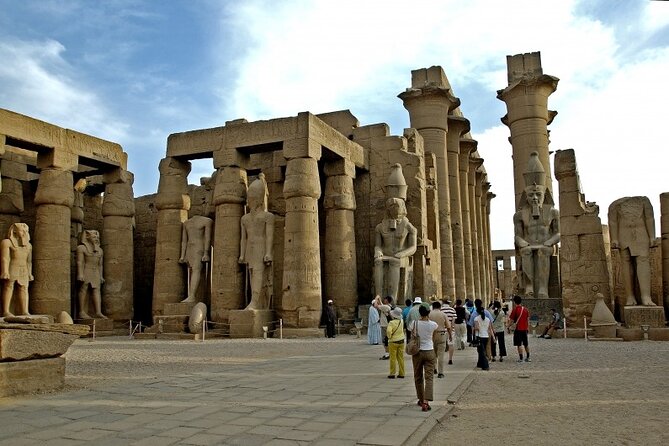
Crossing to the East Bank is where Luxor really flexes. The Karnak Temples complex is vast, built between 2055 BC and 100 BC (as described in the tour info), and it rewards slow attention.
Your guide helps you move through it with the kinds of stops that actually anchor your understanding:
- Avenue of the Sphinxes
- Great Hypostyle Hall
- Sacred Lake
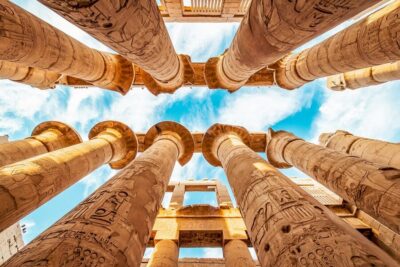
The Hypostyle Hall is the showpiece. You look up and the ceiling becomes part of the story. The Avenue of the Sphinxes works like a corridor for your imagination, even if you’re not sure what each figure means at first.
If you want the best experience, don’t rush for photos. Let your guide explain the big idea at each major point, then take a few minutes to look around after. That rhythm is where Karnak clicks.
Temple of Luxor: Amunhotep III to Ramses II, and a strong ending point
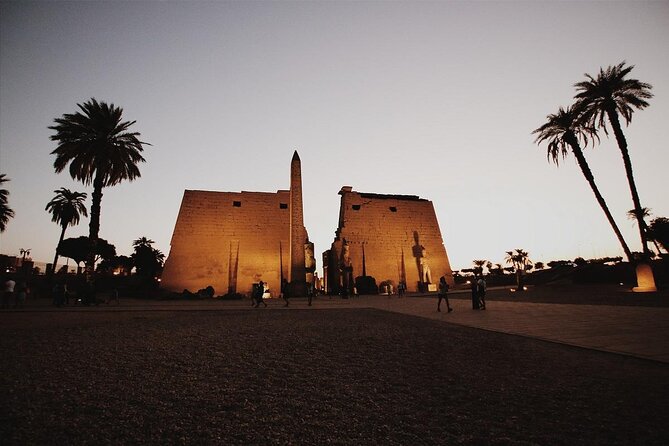
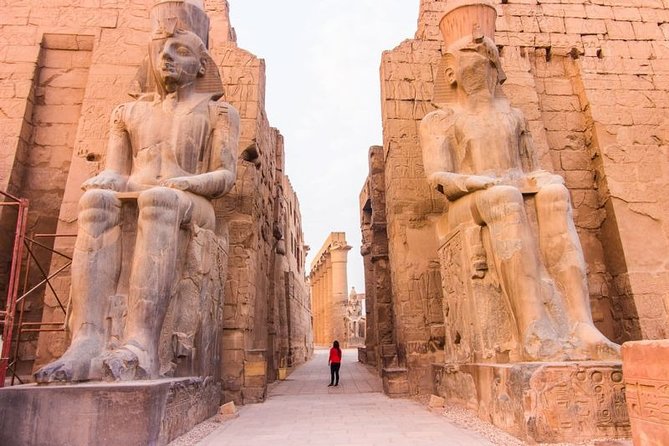
The final major ruin is the Temple of Luxor. Built by Amunhotep III in the 18th Dynasty of the New Kingdom and completed by Ramses II during the 19th Dynasty, it ties the day together.
This temple is different from Karnak. Karnak is about scale and complexity. Temple of Luxor feels more contained, more readable as you’re finishing your tour.
It’s also a smart closing stop because it gives you a sense of how Egyptian temples worked as parts of an ongoing religious system, not just monuments you visit once and forget.
Entrance fee is extra here too, 160 LE.
Guide quality and the tip reality in Luxor
A tour like this is only as good as the person guiding you through it. One of the most praised aspects from past experiences is the guide’s personality and clarity, plus how they give context that you won’t get from a quick sign reading.
Names you may see associated with strong guidance include Ashraf, Amr, Hady, Mido, Mohammed, and Wael. Many people also talk about guides who take time for your questions, give time to explore on your own after explaining key areas, and avoid dragging you into shops all day.
Still, I want to flag one practical reality. Luxor runs on a tipping culture. Some guides depend heavily on tips, and they may signal it. If you’re uncomfortable with that dynamic, set your expectations now and keep it simple: plan a fair tip for the guide and driver, and don’t negotiate during the tour.
One more caution based on what some travelers have shared: in a few cases, a guide was not clearly included until the traveler asked. If guide inclusion matters to you, confirm the guide details before you arrive, so you’re not stuck late in the day trying to sort it out.
Is this tour worth it for your schedule?
This tour suits you if:
- You have limited time in Luxor and want both sides of the Nile
- You like structured seeing, with a guide to keep you oriented
- You want a single outing that covers tombs plus Karnak plus Temple of Luxor
- You value the included lunch and hotel pickup, so you don’t spend your day planning transport
You might want a different approach if:
- You’re sensitive to a tiring schedule. The day can feel packed, especially toward the end
- You want a slower, deeper exploration of fewer sites. A more relaxed pace often works better for tombs and temple details
- You dislike the tipping culture that often comes with Egyptian guiding
A smart compromise for many people is: one day for the Valley of the Kings and West Bank highlights, and another day for Karnak and Luxor Temple. But if your time window is tight, this one-day plan is the efficient winner.
Should you book this East and West Banks of Luxor tour?
I’d book it if you want maximum Luxor value per day, with a guide who can translate what you’re seeing and with lunch and pickup handled for you. It’s also a great pick for first-timers, because you cover the core hits that define Luxor: Valley of the Kings tombs, Hatshepsut at Deir el Bahari, Karnak’s major spaces, and Temple of Luxor.
Don’t book it blindly if you hate feeling rushed or if you strongly prefer to control every hour yourself. This day is packed, and you’ll get better results if you go in with the mindset of short focus blocks, followed by brief self-time to look and breathe.
If you do book, budget for entrance fees in LE, wear comfortable shoes, and confirm guide arrangements upfront. That combination turns a tight schedule into a satisfying Luxor day.
FAQ
How long is the Luxor East and West Banks tour?
The tour duration is listed as approximately 3 hours.
What sites are included in the day?
You visit the Valley of the Kings on the West Bank, the Temple of Queen Hatshepsut at Deir el Bahari, Temple of Medinat Habu (Ramses III), the Karnak Temples on the East Bank, and the Temple of Luxor.
What entrance fees should I expect to pay?
Entrance fees are not included and are listed as: Valley of the Kings 240 LE, Hatsheput Temple 140 LE, Karnak Temple 200 LE, and Luxor Temple 160 LE.
Is lunch included?
Yes. Lunch at a local restaurant is included.
What is included in the tour price?
Bottled water is included. Hotel pickup and drop-off are included for selected hotels.
What is not included?
Drinks are not included, and entrance fees to the sites listed above are not included.
What about mobile tickets?
A mobile ticket is included.
How big is the group?
The tour has a maximum of 15 travelers.
Reviewed most recently around Luxor
- Camel or Horse ride on west bank★ 5.0 · 20 reviews
- Nefertari and King Tut’s Tombs, Hatshepsut and More in Luxor★ 4.5 · 20 reviews
- Private Day Tour of Luxor★ 5.0 · 20 reviews
- Private Transfer from Luxor to Marsa Alam or vice versa★ 5.0 · 20 reviews
- Private Transfer Luxor to Aswan★ 5.0 · 20 reviews
- 5 Days Nile Cruise from Luxor to Aswan with Hot Air Balloon★ 5.0 · 20 reviews
- Private Full Day Tour: Dendera & Abydos Temples from Luxor★ 5.0 · 20 reviews
- Full Day Luxor East and West Banks Tour With Lunch★ 5.0 · 20 reviews
Luxor Tours, compared.
Luxor Valley of the Kings & Tutankhamun Tomb Trip
Read our review →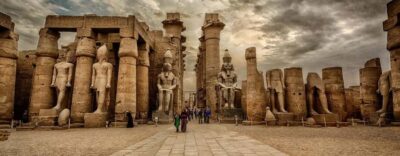
Luxor Day Trip from Hurghada Small Group & Tutankhamun Tomb
Read our review →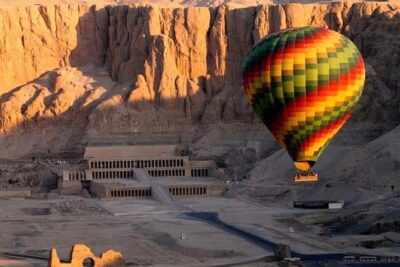
Hot Air Balloon Ride in Luxor Egypt with Transfers Included
Read our review →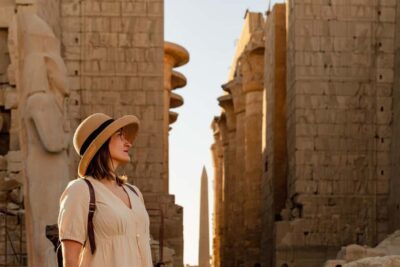
Shared Full-Day Tour to Luxor West and East Banks
Read our review →
Luxor Day Tour: Valley of Kings & Queens & Hatchepsut Temples
Read our review →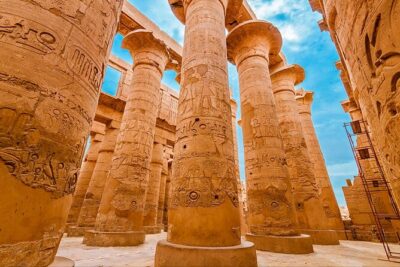
Full Day Tour to East and West Banks of Luxor
Read our review →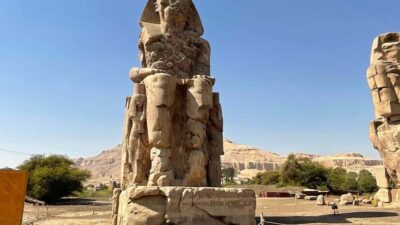
Valley of the Kings and Hatshepsut Temple Day Tour
Read our review →Browse the lists this tour appears in