
Reviewed · VALLEY OF THE QUEENS
Luxor: Medinet Habu, Deir el-Medina & Valley of Queens Tour
Luxor’s West Bank packs three connected stories into one focused 3-hour visit, from Ramesses III’s mortuary temple to the workers’ village at Deir el-Medina and the royal women’s world in Ta-Set-Neferu. I like how the tour keeps you comfortable with air-conditioned private transport and pickup from your Nile cruise or hotel.
I also like the human side: you are not just wandering around stones, you are hearing the meaning behind them. When you get a guide such as Mahmoud or Abdul/Abod, you can expect clear explanations that make Egyptology feel practical, not academic. One possible drawback to factor in is that a tomb highlight like Nefertari’s can be closed on the day, which may mean you swap parts of the plan after pickup.
Key things I’d prioritize on this Luxor West Bank tour
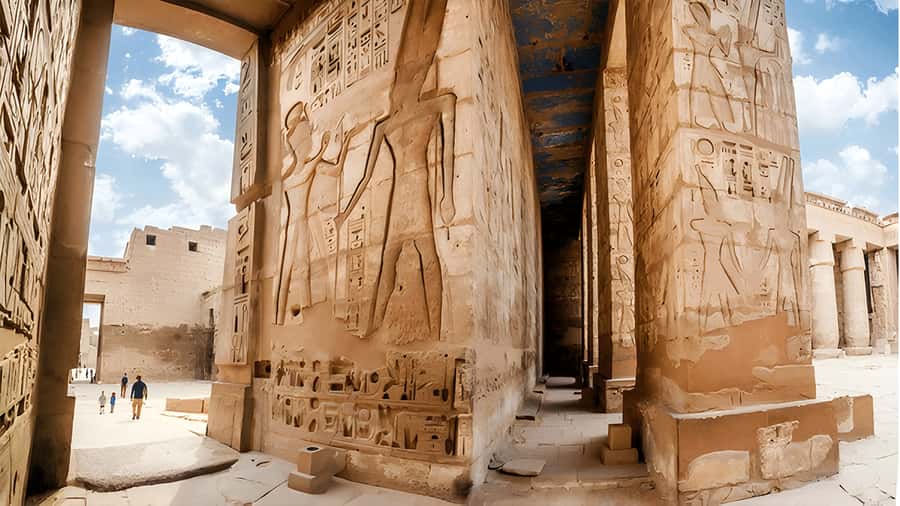
- Medinet Habu’s Mortuary Temple of Ramesses III, famous for its 150-meter scale
- Deir el-Medina, the Valley of the Workers, where artisans lived while building royal tombs
- Ta-Set-Neferu in the Valley of the Queens, the resting place of queens and royal children from the 18th to 20th dynasties
- Meaningful pacing, with guided time plus about an hour of free time at each main site
- Entrance fees included, along with taxes and service charges, plus complimentary bottled water
- Private setup with wheelchair access, and multiple guide languages including English and Arabic
Why this West Bank combo works so well (Medinet Habu, Deir el-Medina, Queens)
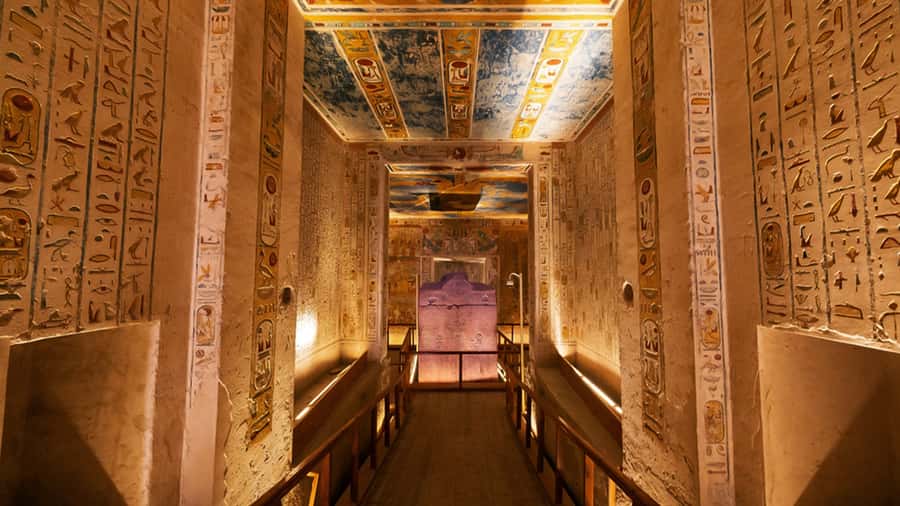
If you only visit one West Bank site in Luxor, it can feel like you are collecting snapshots. This tour works better because it links three viewpoints of the same civilization.
First, Medinet Habu shows royal ambition in stone, centered on the Mortuary Temple of Ramesses III. Then Deir el-Medina zooms in on the people who made the magic happen, the artisans who worked on royal tombs. Finally, the Valley of the Queens shifts the spotlight to the women and royal family members tied to those pharaohs, including the dynasties from the 18th to the 20th.
You will also notice the change in atmosphere. Medinet Habu feels temple-massive and official. Deir el-Medina feels intimate, like you are stepping into a workplace community. The Valley of the Queens feels targeted and personal because you are thinking about specific family members and their afterlife plans.
More Valley of the Queens trips:
- Luxor Day Tour: Valley of Kings & Queens & Hatchepsut Temples
★ 5.0 · 1,496 reviews - Luxor: Valley of the Kings and Queens Guided Tour with Lunch
★ 4.5 · 337 reviews - Luxor: West Bank Kings and Queens All-Inclusive Tour & Lunch
★ 4.5 · 298 reviews
Getting there smoothly: pickup, AC transport, and how the 3 hours actually feel
This is a private tour, so you are not spending your time waiting for other people or trying to understand what a group guide is rushing past. You get hotel or Nile cruise pickup, and you ride in a private air-conditioned vehicle across the West Bank.
That AC part matters more than you might think. Luxor mornings can start warm and slide quickly into hot. Having cooled transport between sites keeps you fresh when you walk, stop for photos, and read guide explanations.
The pacing is also intentionally simple:
- You start at the Valley of the Queens first, with photo time, guided time, then free time.
- You then move on to Deir el-Medina, again with guided time plus free time.
- The tour ends with your transfer back to your hotel or cruise.
Because it is 3 hours, you are not likely to feel like you need a full day to process everything. Instead, you get enough guided focus to understand what you are seeing, then enough breathing room to look at details at your own speed.
If you need extra pickup logistics, plan for it. The tour notes an extra cost if you are picked up from Luxor airport or from the West Bank itself. If you can choose, picking up from your hotel or Nile cruise is usually the simplest arrangement.
Medinet Habu: Ramesses III’s mortuary temple and why size changes everything
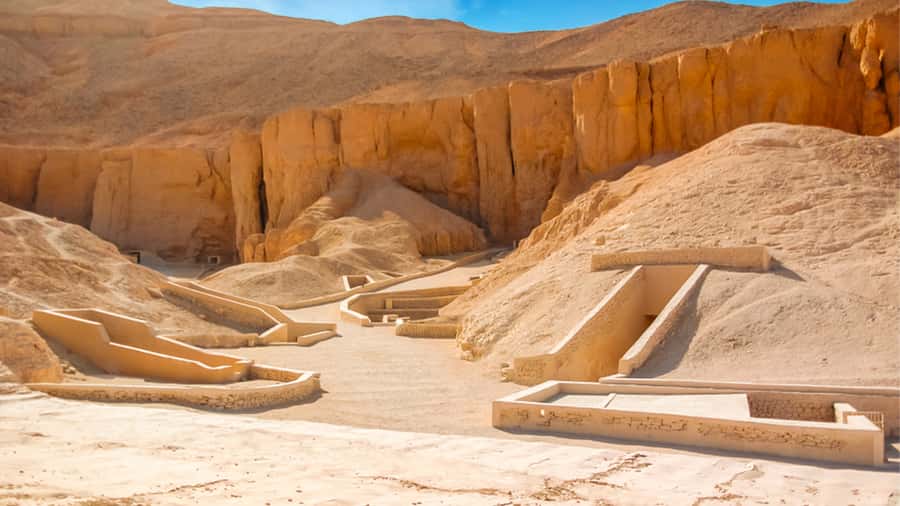
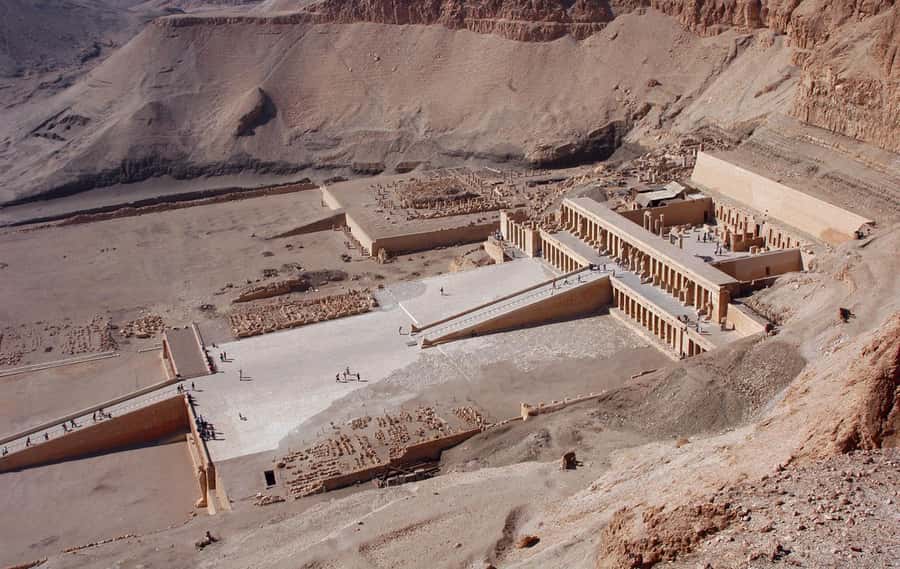
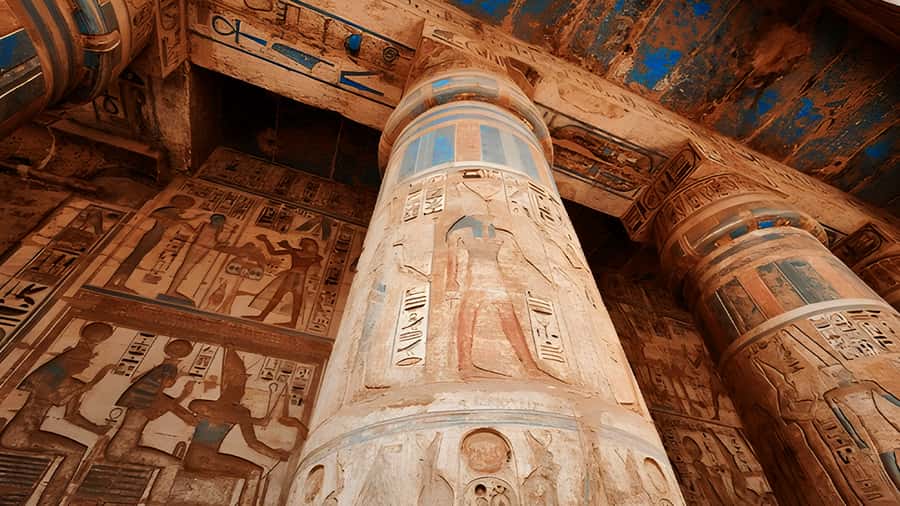
Medinet Habu is one of those places where scale is part of the story. The main draw here is the Mortuary Temple of Ramesses III, known for stretching about 150 meters. That kind of length is hard to grasp from a quick glance. With a private guide, you can connect the layout to the temple purpose, rather than just admiring carved surfaces.
You will also hear how Medinet Habu reflects a traditional architectural style reminiscent of the Ramesseum. That detail is more than a fun comparison. It helps you see Egypt’s building language across different reigns, how certain design ideas keep showing up when kings want their legacy to feel permanent.
What I’d watch for as you walk:
- The way the temple feels orderly and intentional, like it is guiding you along a royal narrative.
- Carved surfaces and reliefs that reward pausing, especially if your guide explains the subject matter in plain terms.
- The sense of being near the Theban Hills area, where the West Bank’s sacred geography makes more sense once you see how temples were positioned.
One practical tip: because your time is limited, don’t try to photograph every corner. Pick one area your guide points out, then make that your deep look spot. Your photos will be better, and your understanding will stick longer.
Deir el-Medina: the Valley of the Workers and the power of preserved frescoes
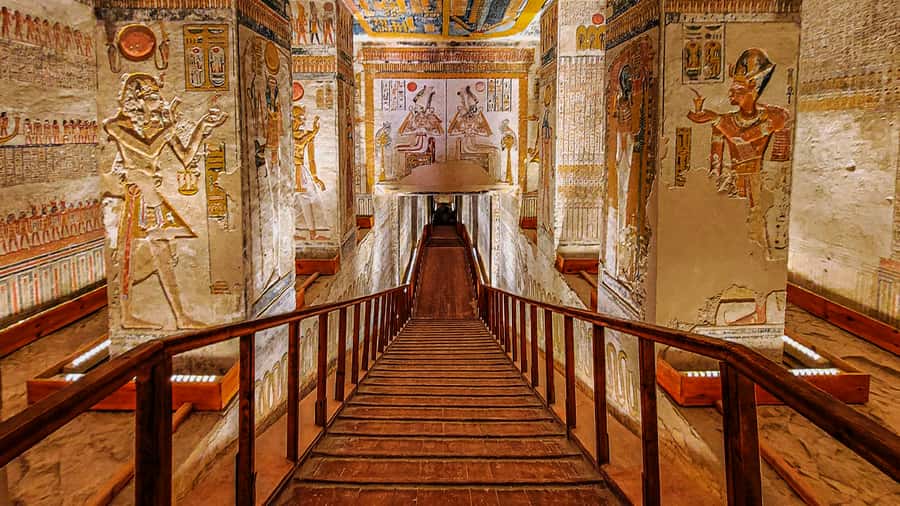
After Medinet Habu’s temple scale, Deir el-Medina feels like a change of pace and a shift in focus. This is also called the Valley of the Workers, and it is where the artisans lived while building tombs in the nearby royal tomb valleys.
That living-and-building connection is key. You are not just seeing burial architecture. You are learning about the community that made the art and engineering possible. When a guide explains the roles and routines behind the scenes, the site stops being a collection of ruins and becomes a place with everyday logic.
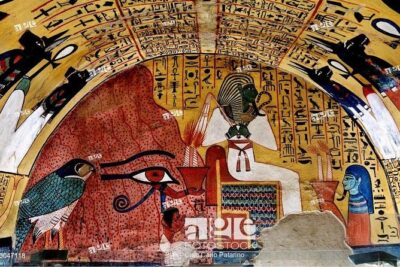
The standout feature here is the presence of frescoes that remain remarkably well-preserved. Frescoes do something temples can’t always do. They tend to show work and people in more direct ways, and that helps you visualize the human side of the afterlife projects.
In practical terms, I recommend you use your free time well here. Guided time gives you structure. Free time helps you spot small details your brain might otherwise miss when you are rushing to keep up.
If you get a guide like Abdul/Abod, you can often expect explanations with passion and clarity that make complex details feel organized. If you get Mahmoud, the vibe tends to be friendly and accommodating, with a focus on making the visit easy to follow.
A different kind of day out of Luxor:
- Hurghada: Luxor Valley of the Kings & Tutankhamun Tomb Trip
★ 4.7 · 13,208 reviews - Luxor Day Trip from Hurghada Small Group & Tutankhamun Tomb
★ 4.8 · 5,366 reviews - Hot Air Balloon Ride in Luxor Egypt with Transfers Included
★ 5.0 · 4,319 reviews - Luxor: Shared Full-Day Tour to Luxor West and East Banks
★ 4.5 · 1,812 reviews
Valley of the Queens and Ta-Set-Neferu: queens’ tombs, royal children, and a smart plan
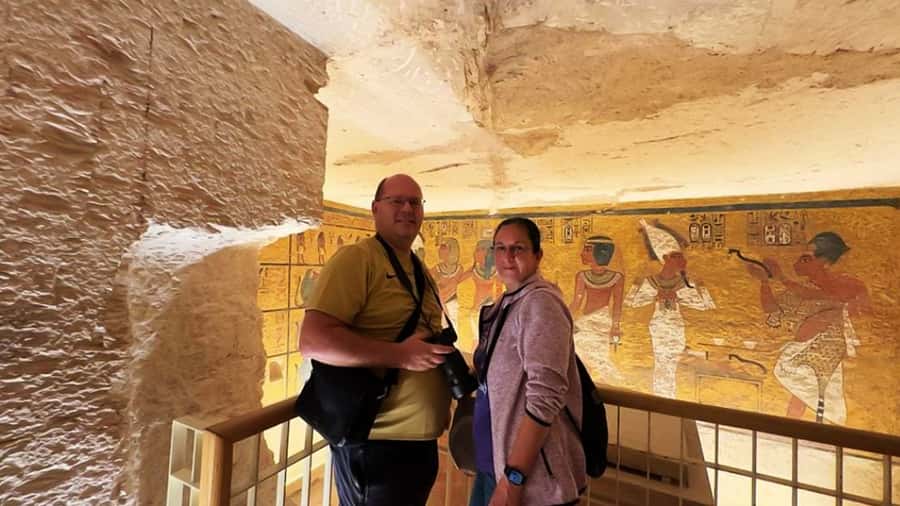
The Valley of the Queens is where your tour becomes emotionally focused. This valley is known in ancient times as Ta-Set-Neferu, often translated as Place of Pharaoh’s Children. The name alone gives you a hint about what mattered here: not only queens, but also royal family members connected to the ruling line.
This valley served as a resting place for pharaohs’ wives and royal children from the 18th to 20th dynasties. With a good guide, you will hear how those time periods connect through art styles and tomb purposes, without drowning you in dates.
Your tour includes both:
- A photo stop at the start
- A guided tour
- Plus about 1 hour of free time to look and take photos at your own pace
That free time is important, because tombs can be tight. If you want to photograph or study reliefs, you need moments to reposition and decide what you care about most.
The one timing issue to consider: Nefertari’s tomb can be closed
There is one reality you should plan around. The tomb of Nefertari can be closed, and when that happens, your guide may offer alternate stops or adjustments once you are already on-site. That is not a failure. It is just how Egypt site operations can work.
Still, I strongly recommend you handle it proactively. If Nefertari’s tomb is on your personal must-see list, ask your guide or booking contact ahead of time about access conditions. If it is closed, you will be happier if you already know the likely alternatives.
The good news is that the Valley of the Queens still makes sense even if one tomb is unavailable. Your guide can reframe the visit so you get value from the rest of what is open.
What you get for the money: private guide, entrance fees, and transport you can count on
At $85 per person for a 3-hour private tour, the question is not just the price tag. It is what is included and how that affects your day.
Here is the value math that matters:
- Private tour guide (not a shared group)
- Entrance fees included
- Hotel pickup and drop-off
- Air-conditioned transfers
- Complimentary bottled water
- All taxes and service charges included
That combination reduces stress. You are not trying to figure out ticket lines, currency details, or last-minute surprises mid-morning.
Also, you should like the clarity of the pricing. The tour specifically states there are no hidden fees. The only clear extra noted is the potential added cost for pickup from Luxor airport or from the West Bank.
Tipping is not listed as included. That is normal for private guiding. If you want to plan ahead, set aside a tip budget before your morning starts, so you do not feel rushed when the tour ends.
Guide languages, timing, and the feel of a well-run morning
This tour supports multiple guide languages, including Japanese, French, German, Spanish, English, Arabic. If you want your explanations in your own language, this is one of those details that can make the difference between seeing ruins and understanding them.
You also get a live guide, and there is a strong hint from guide performance patterns that the team aims for clear, friendly communication. Guides named Mahmoud and Mustafa stand out in the way they explain site details, and Abdul/Abod shows up as someone who can make Egyptology feel simple and logical.
Timing matters for West Bank visits, because heat and light shift quickly. The tour is built around pickup and a smooth route between sites, then a return to your hotel or cruise.
If you are the kind of traveler who hates waiting, the private format helps a lot. You spend your time in the monuments, not in transit delays caused by other groups.
Who this tour is best for, and how to get the most out of it
This is the sweet spot for a few types of visitors:
- First-time West Bank visitors who want the big names without doing a full-day marathon.
- People who like context and want explanations tied to what you are actually seeing.
- Travelers who prefer private, low-stress timing rather than a bus-and-breeze schedule.
- Anyone who appreciates artisanship, because Deir el-Medina adds the human layer missing from temple-only days.
- Wheelchair users, since the tour is listed as wheelchair accessible.
How to make your morning better:
- Pick one or two tomb-related questions you want answered, like how queens’ tombs relate to royal politics or how workers’ community life supported temple building.
- Wear shoes for uneven surfaces and have a light layer for indoor tomb areas that can feel cooler.
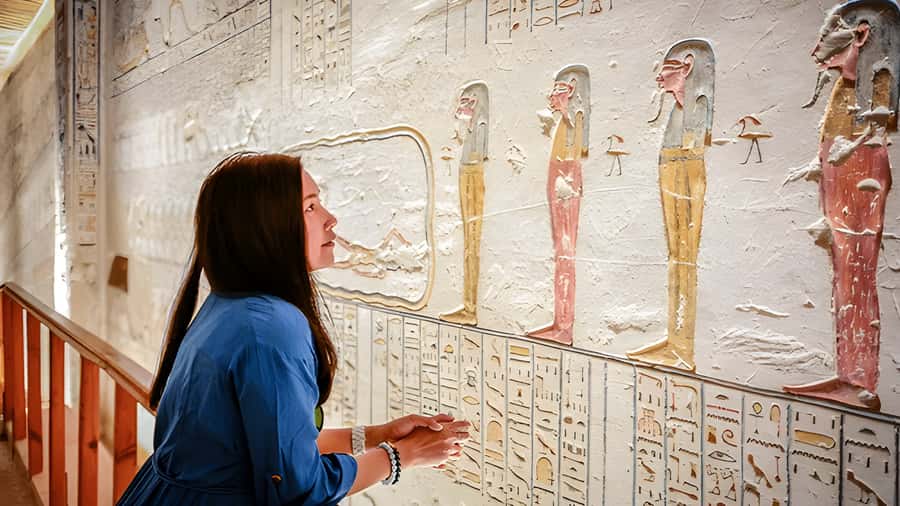
- Use your free time with intention. Guided time gives you direction. Free time is your chance to slow down and look at carvings or fresco details your guide highlighted.
If you care about specific tomb access, treat that as your main planning task. Everything else, from transport to entrance fees, is handled.
Should you book the Luxor Medinet Habu, Deir el-Medina, and Valley of the Queens tour?
I think you should book this tour if you want a well-paced West Bank hit list with a private guide, air-conditioned comfort, and entrance fees taken care of. It is a strong choice for people who like Egypt with context, not just sightseeing.
You might consider another option or at least plan carefully if your personal top priority is a single tomb, especially if Nefertari’s tomb is on your must-see list. Site closures can happen, and you will feel better if you already know you may need to adjust.
Overall, for $85, you get a lot of value through the combination of private guiding, included entry tickets, and a route that moves logically from king to workers to queens. If that is how you like to travel, this morning tour fits.
FAQ
How long is the Luxor Medinet Habu, Deir el-Medina & Valley of the Queens tour?
The tour duration is 3 hours.
What is included in the price?
Included are air-conditioned transfers, hotel pickup and drop-off, a private tour guide, entrance fees, complimentary bottled water, and all taxes and service charges.
Are pickup and drop-off included?
Yes, pickup and drop-off are included if you are staying in Luxor, but there may be an extra cost if pickup is from Luxor airport or from the West Bank.
Which sites does the tour visit?
You will visit the Valley of the Queens, then Deir el-Medina. You also have a photo stop included during the visit to each site area.
What languages are the live guides?
The tour offers live guides in Japanese, French, German, Spanish, English, Arabic.
Is the tour wheelchair accessible?
Yes, the tour is listed as wheelchair accessible.
Reviewed most recently around Luxor
- Private Full Day Tour of Luxor West and East Bank Tombs & Temples★ 5.0 · 45 reviews
- Luxor Private Transfer To Hurghada With visit Dendera Temple★ 4.5 · 45 reviews
- FULL Day Tour:Valley of the Kings &Queens &Hatshepsut Temple&more★ 5.0 · 46 reviews
- Private Sailing Traditional Egyptian Boat in Luxor★ 5.0 · 46 reviews
- Dendara and Abydos Temples Day Tour from Luxor★ 5.0 · 46 reviews
- Private Full-Day Luxor Tour to East and West Banks★ 5.0 · 47 reviews
- Private Full-Day Tour to West and East Banks of Luxor★ 5.0 · 48 reviews
- Private Tour: Luxor East and West Banks Full Day Tour★ 5.0 · 49 reviews
Valley of the Queens, compared.
Luxor Day Tour: Valley of Kings & Queens & Hatchepsut Temples
Read our review →
Valley of the Kings and Queens Guided Tour with Lunch
Read our review →
West Bank Kings and Queens All-Inclusive Tour & Lunch
Read our review →
Luxor Day Tour: Explore Valley of Kings, Queens, Hatshepsut& More
Read our review →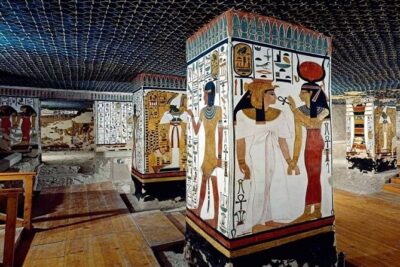
Valley of the Kings and Queens Guided Tour from Luxor with Lunch
Read our review →
Full Day East Bank, West Bank, and Valley of the Queens in Luxor
Read our review →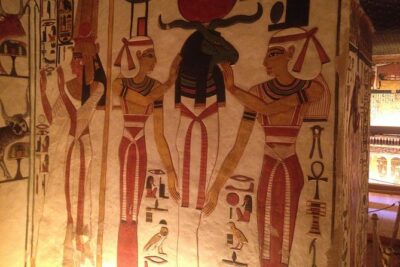
Private King Tut’s Tomb, Valley of the Kings & Queens, Hatshepsut
Read our review →
Balloon, East Bank, West Bank, and Valley of the Queens in Luxor
Read our review →Browse the lists this tour appears in