
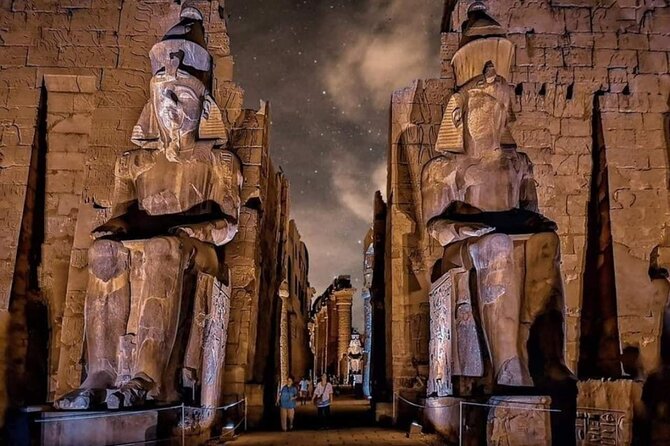
Reviewed · ABU SIMBEL
4 Days Nile Cruise From Aswan To Luxor Including Abu Simbel & Hot Air Balloon
This trip works because it packs big-ticket ancient Egypt into four days, with Abu Simbel and a sunrise hot-air balloon over Luxor. I like that it runs as a full-board, 5-star style Nile cruise, so your days are planned and your evenings feel easy. You also get an Egyptologist guide for the key sites, which makes the scenes feel less like stone piles and more like stories.
The one drawback to plan for is pace. You have very early starts for Abu Simbel and a packed West Bank day at the end, and you’ll want to budget for entrance fees since they’re not included, plus tipping for the guide, drivers, and cruise crew.
Key Things I’d Zoom In On
- Sunrise Luxor balloon (40 to 55 minutes): the west bank looks unreal from above, with temples and mountains below you
- Abu Simbel early-morning run: you’re picked up around 4:30 AM for a shared small-group visit
- Philae by motorboat, plus Edfu horse carriage: the included transport makes these stops feel local, not rushed
- Full-board on a 5-star Nile cruise: 3 breakfasts, 3 lunches, and 3 dinners, plus onboard entertainment like galabia parties and discos
- Max 15 people: it’s small enough to feel organized, especially on the day tours
- Real-name guide feedback: one guide named Tarek earned strong praise for English and context, and a guide named Ali also stood out for attention
First Nights in Aswan: High Dam, Philae, and a Cruise That Gets You Moving

Aswan is where this whole adventure starts to feel like Egypt, not just an airport-to-temple checklist. You’re met through a meet-and-greet setup and moved by air-conditioned vehicle to your cruise. Then you settle in before lunch and ease into the day with a mix of modern Egypt and ancient sacred space.
The High Dam stop is your first “wow” in a different way. It’s huge, built to protect Egypt from the floods and to generate electricity. You also get the big picture of how Lake Nasser behind it supports irrigation and power across the country, so when you later see temples carved for kings and gods, you start thinking about how rulers shaped the landscape, literally and politically.
Next comes Philae Temple, reached by small motorboat. Philae is famous for being rebuilt and relocated when the original area was threatened, so it carries a built-in lesson about change and preservation. Plan for sun and steps here, but the payoff is a setting that feels serene once you’re off the main road and out on the water. This is also the kind of stop that benefits from an Egyptologist guide, because you’ll get the names, the reasons, and the timeline, not just a quick photo session.
And then, you’re back on board. Dinner follows and you get an onboard folkloric show, which helps you “land” after travel. If you arrive early, there’s an important timing detail: the cruise check-in is at 12:00 PM, and the operator notes they may start the tour directly on arrival to avoid sitting around in the lobby during heat. That’s a small detail, but it matters on day one.
More Hot Air Balloon Rides in Aswan
- 4-Days Nile Cruise From Aswan To Luxor including Abu Simbel and Hot Air Balloon
★ 5.0 · 3,142 reviews - 4-Day 3-Night Nile Cruise from Aswan to Luxor including Abu Simbel, Air Balloon
★ 4.5 · 612 reviews - From Aswan: 3-Day Cruise to Luxor with Hot Air Balloon
★ 4.3 · 598 reviews
Abu Simbel Starts Before the Sun: How This Day Trip Actually Works
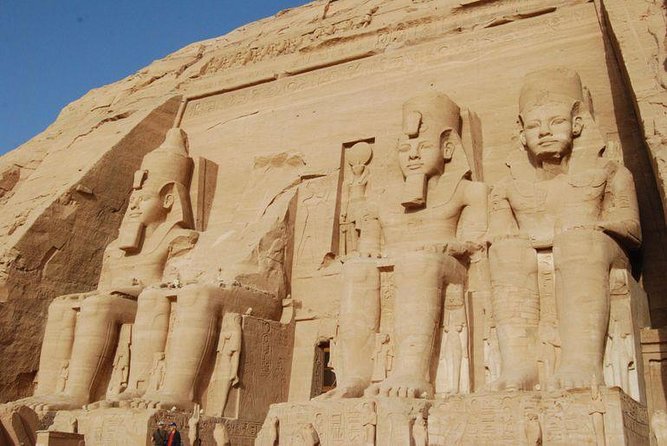
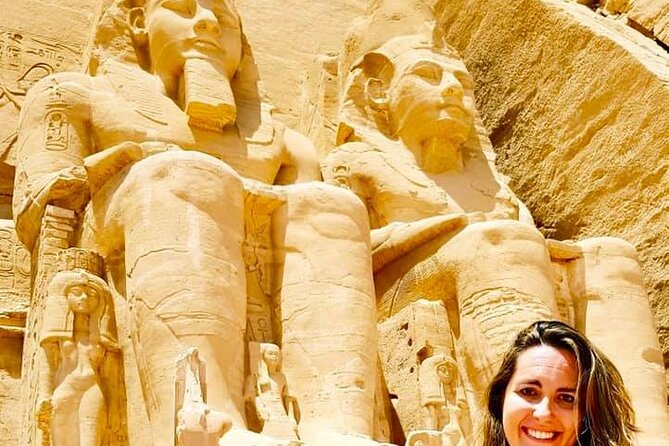
The Abu Simbel Temple Complex is one of the most dramatic ancient sites you can see in Egypt. This tour aims to make it manageable by leaving early. You’re picked up around 4:30 AM, and it’s a shared small-group visit with an English tour guide.
That early departure is not just for convenience. Abu Simbel can feel overwhelming, because it’s so big, so specific, and so tied to a single ruler. Seeing it when the light is gentler helps your photos too. You’ll visit the rock-cut temples attributed to Ramesses II and Nefertari, with the two temple facades and the symbolic layout that makes this site so distinctive.
A key value here is that you don’t have to coordinate transport on your own. The tour includes the sharing model and guiding, which reduces the number of moving parts. One past traveler praised the operator for handling a transport issue during the Abu Simbel day without letting people miss the sights, which is the sort of thing you want to hear when you’re committing a whole day to a faraway stop.
Entrance fees are not included, so budget for them separately. Also, consider that this day will feel long even if the on-paper drive time is organized. Abu Simbel is the centerpiece, so accept that your “sleep in” plans are unlikely to survive day two.
Nile Time to Kom Ombo and Edfu: The Boat Does the Work for You
After Abu Simbel, the next two days shift into a calmer rhythm: sailing, sightseeing, and entertainment. You’ll spend nearly three hours sailing to Kom Ombo, with a tea time break on the sundeck. This is where a Nile cruise earns its keep. You get motion and river views without spending your energy stuck in transit.
Kom Ombo itself is a short, clear stop: the Temple of Kom Ombo dedicated to Sobek Raa, the crocodile god, and Horus the Elder. It’s positioned right along the river bank, which makes it a natural Nile cruise stop between Edfu and Aswan. You’re not just traveling through; you’re stopping at sites that were built to be reached in exactly this way.
You then sail toward Edfu. Dinner is on board, and the evening features a galabia party. There’s also mention of belly dancing, Nubian shows, and discos as part of the onboard fun. This matters if you don’t want your whole trip to be “temples, back to hotel, repeat.” You still get your monuments, but you also get evenings that feel like the Nile.
Edfu is where the tour adds hands-on local flavor. The included Philae visit uses a motorboat, and Edfu includes a horse carriage transportation component to reach the Temple of Horus. That gives you a different sense of arrival than buses and walking alleys. It’s also a reminder that this is not only sightseeing, it’s a mix of transport styles shaped by tradition and practical access.
If you’re sensitive to crowds, keep expectations flexible. This is a small-group setup with a max of 15 travelers, which typically keeps things easier than the big-van circuit. Still, Edfu temple areas can get busy, especially mid-day, so plan on sun protection and steady pacing.
Temple of Horus to Karnak and Luxor Temple: East Bank Magic in One Evening
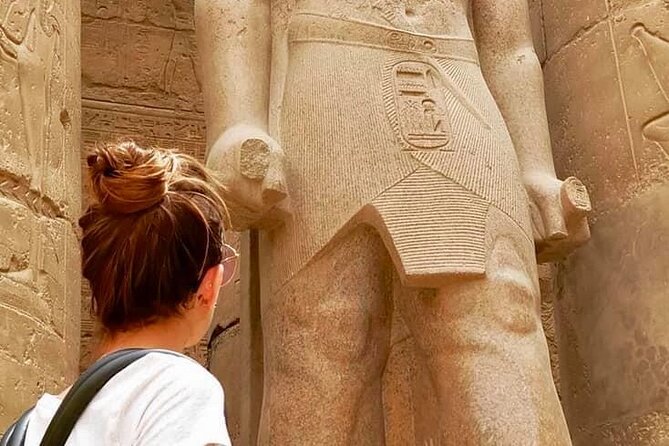
Day three is your “Egypt in full volume” stretch. You start with Edfu temple, described as the most preserved temple in Egypt and dedicated to Horus. The Ptolemaic-era construction is built on earlier foundations, and you get wall descriptions tied to myths, including the famous conflict between Horus and Seth. This is the kind of context you’ll miss if you only rely on a phone app and a quick guidebook skim.
After Edfu, you sail to Luxor. You also cross Esna Lock, which is the sort of detail that turns a transfer day into a story day. When the cruise moves through locks and you watch the river machinery at work, you realize how modern navigation shapes the same river that powered ancient economies.
In Luxor, you head to the East Bank. The tour includes Karnak Open Air Museum first. Karnak isn’t a single temple so much as a sprawling complex of sanctuaries, pylons, obelisks, and sanctuaries for the Theban gods. The tour guide connects it to the Theban triad and the worship of Amun, Mut, and Khonso. If you love hieroglyphs or symbolism, this is where a good Egyptologist guide really changes the whole experience from sightseeing to understanding.
Then comes Luxor Temple. It’s largely New Kingdom, started by Amenhotep III and completed by later rulers. It also ties in to Ramses II, including scenes of his military battle of Kadesh. You’re moving from Karnak’s vast sacred complex to Luxor Temple’s more focused arrival spaces, and it helps you feel how these sites were designed for different types of processions and worship.
There’s a helpful timing note here. If the cruise arrives in Luxor by 3:00 PM or 3:30 PM, you might have time to visit both Karnak and Luxor Temple in the same evening. If not, you’ll do one of those on the next day. Either way, you’re still covering the East Bank classics without feeling like you’re hopping across town with no plan.
More Nile Cruises in Aswan
- 4-Day 3-Night Nile Cruise from Aswan to Luxor&Abu Simbel+Balloon
★ 5.0 · 2,023 reviews - From Aswan: 4-Day Nile Cruise from Aswan to Luxor with Guide
★ 4.1 · 593 reviews - 4-Days Nile Cruise From Aswan To Luxor including Abu Simbel and Hot Air Balloon
★ 4.5 · 509 reviews - 4-Day 3-Night Nile Cruise from Aswan to Luxor – Private Tour
★ 5.0 · 369 reviews
Sunrise Balloon Over Luxor West Bank: The Best Reason to Wake Up Early
The best part of the whole trip for many people is the hot-air balloon ride. You’re picked up early in the morning and taken for a sunrise flight over the west bank of Luxor. Expect 40 to 55 minutes in the air, which gives you enough time to look slowly and take photos without feeling rushed.
From above, Luxor changes shape. You get an aerial view of the city and the famous landmarks, and the west bank comes into focus as an open-air museum of temples and mountains. The tour specifically frames it as looking down on the great temples and valleys below, and that’s exactly what makes balloons special here. You’re not just seeing monuments, you’re seeing how the ancient sites relate to the desert and river edges.
Practical note: if weather cancels the balloon, you’ll receive a refund of 25 USD per person. Kids under 6 can’t participate, so if you’re traveling with a younger child, you’ll need to plan accordingly. Also, this is one of the moments where you’ll want to dress for cool early temperatures, even if Luxor warms up fast later.
Once the balloon is done, there’s a check-out process with a breakfast box. Then you shift into the final West Bank sights, so you won’t have hours to lounge around after landing.
Colossi of Memnon and Hatshepsut: Short Stops That Pay Off
After the balloon, you get a photo stop by Colossi of Memnon. It’s brief, about 15 minutes, but it’s worth it because these twin statues are huge, unmistakable, and historically tied to Amenhotep III’s mortuary temple. They’re called the Colossi of Memnon partly because of a phenomenon reported after an earthquake, which adds a human story to what could otherwise be just two tall sculptures.
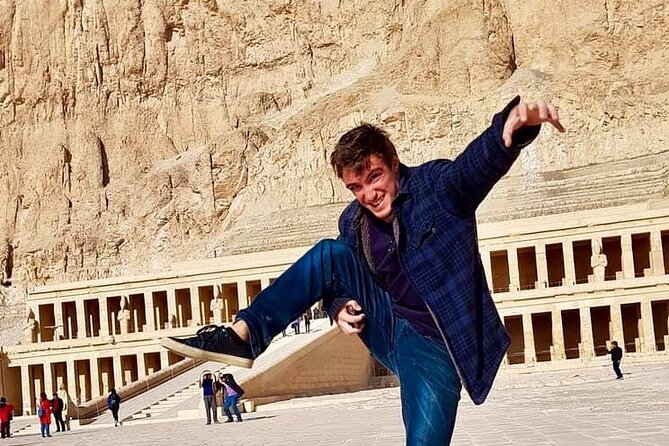
Then you move to Deir el Bahari for the Temple of Hatshepsut. This is one of those places where the architecture carries the emotion. It rises in terraces from the desert plain, built against limestone cliffs of the Theban Mountain. The tour includes the story angle too, including her role and connection with her nephew. Even if you’re not a hardcore Egypt scholar, a strong guide makes this feel like a chapter in a longer drama.
What I like about this section is that it’s paced. You’re not being asked to memorize ten ticket booths in a row. You’re getting a sequence of iconic sites that build momentum, culminating in the final stop where the tombs and “place of truth” vibe becomes real.
You should still expect walking in the sun and heat. This is outdoors all day on the west bank side, so bring water when you can and take breaks when needed.
Valley of the Kings: The Main Finish Line and Your Last Big Photos
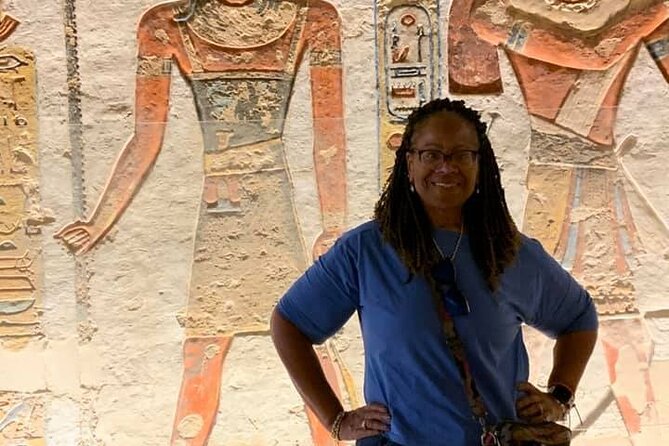
The day ends with the Valley of the Kings, called the great Place of the Truth in the tour description. This is where pharaohs were laid to rest in stone sarcophagi, waiting for immortality. The tour focuses on the broader complex and key tombs, including references to kings such as Merneptah, Ramesses III, and Ramesses VI.
If you’re the kind of person who wants to see multiple tombs, keep expectations realistic. The tour time here is about two hours, and entrance fees are not included. That means you might not see every tomb option, depending on what’s open and what you choose to prioritize. Your best strategy is to pick the tomb(s) you care about most and treat the rest as visual context.
After the Valley of the Kings, you transfer to Luxor railway station, airport, or your hotel. Lunch is not included on day four, so it helps to plan for a meal after you finish temple time. If you’ve kept snacks and water available, you’ll have an easier wind-down.
Overall, it’s a strong ending because it ties the week’s themes together. You started with Aswan’s dam and Philae, you went to Abu Simbel for royal grandeur, you moved through Horus and the East Bank for sacred systems, and now you finish with the west bank tomb landscape where all of that beliefs-and-power stuff had a physical destination.
What You’re Really Buying With a 4-Day Full-Board Nile Cruise
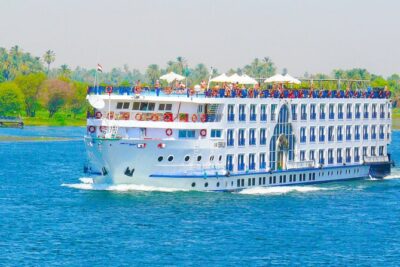
This package is more than a list of famous sites. The value is in how much you outsource: transportation, timing, guiding, and a big chunk of meal planning.
On board, you get accommodation for three nights on a 5-star Nile cruise on a full-board basis. That means meals are handled: three breakfasts, three lunches, three dinners. You also get bottled water during outings outside the cruise ship. WiFi on the cruise is not mentioned as included, so don’t count on it.
You’ll also see entertainment included, like folkloric shows and galabia parties, plus belly dancing and discos as part of the onboard culture. In real life, that makes evenings feel like part of the trip, not recovery time from a rushed day.
Two practical notes based on real feedback: first, ship experience can vary. One traveler felt their ship, named Adonis, was a bit past its best days, even though everything needed was still there. Second, food feedback is mixed. One review called it delicious and staff very friendly, while another said the food was not the best, but accommodations were fine. My advice is to treat cruise meals as convenient and filling, not gourmet. If you’re picky, plan to lean on snacks you bring or ask for vegetarian options.
Speaking of food, there’s a vegetarian option available if you advise at booking. That’s a big deal in Egypt travel, because it’s easier to say yes ahead of time than try to fix it once you’re on the boat.
Price and Value: Is $450 Worth It for Aswan to Luxor?
At $450 per person for a four-day route that includes Abu Simbel, a sunrise hot-air balloon, major temples, plus guided tours and transfers, the price looks like it aims at good value for a short timeframe.
The reason is simple. You’re paying for both the big experiences and the logistics that usually cost time and energy. Hot-air balloons are not cheap, and adding Abu Simbel inside a tight schedule usually forces you into early starts and guided transport. Entrance fees being excluded is the main “gotcha,” so you should budget extra for tickets at the sites.
Also remember tipping is not included. You’ll want to plan for the guide, drivers, and cruise crew since that support is part of the day-to-day experience.
If you’re comparing options, look at what’s truly included: meet-and-greet service, air-conditioned vehicle transfers, full-board meals, an Egyptologist guide, balloon ride, and included transport for Philae by motorboat and Edfu via horse carriage. For a lot of people, that bundle is what makes the trip feel worth it.
If you’re the type who likes to travel slowly, this route may feel packed. But if your goal is to see the key monuments without the stress of planning each move, the value is strong.
Who This Trip Fits Best (and Who Should Rethink It)
I think this works best for people who want a clear path through classic Egypt: Aswan to Luxor, the big temples, and at least one “wow” experience beyond monuments, which in this case is the balloon.
You’ll especially like it if:
- You want a planned day structure with an Egyptologist guide at the main stops
- You prefer small-group pacing (max 15 travelers) instead of a huge crowd bus
- You want your evenings handled, with onboard shows and parties, not just silence on a docked boat
- You’d like to avoid self-organizing transport for Abu Simbel
You might reconsider if:
- You hate early mornings. Abu Simbel starts around 4:30 AM.
- You want a flexible, unstructured schedule. This is organized and timed.
- You don’t want to manage entrance fees separately or plan for tips.
If you’re traveling as a family, it can still work well. One review specifically praised the experience for kids, saying the family had a blast. Just keep the hot-air balloon age rule in mind, since children under 6 can’t take part.
Should You Book This 4-Day Aswan to Luxor Cruise With Abu Simbel and a Sunrise Balloon?
I’d book it if your priority is efficiency with big rewards: Abu Simbel plus a sunrise balloon plus the East Bank hits and the west bank classics, all with transfers and guiding handled. It’s one of those trips where you feel like you got your money’s worth because the hardest parts of organizing Egypt travel are taken care of for you.
Before you commit, do two simple checks. First, budget for entrance fees at the major sites, because they’re not included. Second, be honest about your tolerance for early starts and outdoor walking in the sun.
If you’re okay with a full, structured 4 days, this is a strong value way to experience ancient Egypt from Aswan to Luxor without turning your vacation into a logistics project.
FAQ
Are entrance fees included in the tour price?
No. Entrance fees for the mentioned sightseeing are not included. Tipping is also not included.
Does the cruise include meals?
Yes. The package is full-board with 3 breakfasts, 3 lunches, and 3 dinners. Water or drinks during meals are not included, and WiFi on the cruise is not mentioned as included.
Is the hot-air balloon ride included, and how long is it?
Yes, the hot-air balloon ride over Luxor’s west bank is included, and it lasts about 40 to 55 minutes.
What happens if the hot-air balloon is cancelled due to bad weather?
If the hot-air balloon is cancelled due to bad weather, you will be refunded 25 USD per person.
Is there an age limit for the balloon ride?
Yes. Children under 6 years old can’t participate in the hot-air balloon ride in Luxor.
How big is the group for this tour?
The tour has a maximum of 15 travelers.
Do I need to tip?
Yes. Tipping for the tour guide, drivers, and Nile cruise crew is not included, so you should plan for it.
More ways to reach Abu Simbel
- From Aswan: Abu Simbel Temple Day Trip with Hotel Pickup
★ 4.4 · 2,807 reviews - Private Day Tour to Abu Simbel Temples from Aswan
★ 4.5 · 507 reviews - 4 Days Nile Cruise from Aswan to Luxor including Abu Simbel and Hot Air Balloon
★ 4.5 · 356 reviews - From Aswan: Abu Simbel Day Tour with Private Guide and Car
★ 4.3 · 342 reviews
Reviewed most recently around Aswan
- Private 2 Hour Guided Tour to Philae Temple from Aswan★ 5.0 · 45 reviews
- 3-Nights Cruise From Aswan To Luxor, Hot Air Balloon,Abu Simbel★ 4.5 · 46 reviews
- Aswan tour ( the temple of philae – high dam )★ 4.5 · 47 reviews
- Abu Simbel Temple Day Trip with Hotel Pickup From Aswan★ 4.5 · 48 reviews
- 4 Days 3 Nights Nile cruise Aswan to luxor★ 5.0 · 48 reviews
- Philae Temple and Aswan High-Dam Half-day tour★ 5.0 · 49 reviews
- 4-Days Nile Cruise sails Aswan to Luxor &Abu Simbel. Balloon tour★ 5.0 · 49 reviews
- 4 Days 3 Nights Aswan to Luxor Nile Cruise★ 5.0 · 50 reviews
Abu Simbel, compared.
4-Days Nile Cruise From Aswan To Luxor including Abu Simbel and Hot Air Balloon
Read our review →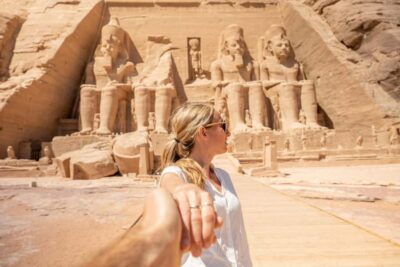
4-Day 3-Night Nile Cruise from Aswan to Luxor&Abu Simbel+Balloon
Read our review →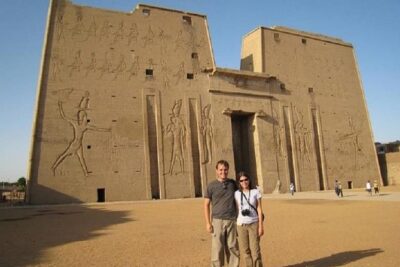
4-Day 3-Night Nile Cruise from Aswan to Luxor including Abu Simbel, Air Balloon
Read our review →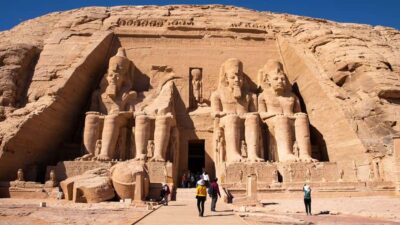
Abu Simbel Temple Private Guided Day Trip with Lunch
Read our review →4-Days Nile Cruise From Aswan To Luxor including Abu Simbel and Hot Air Balloon
Read our review →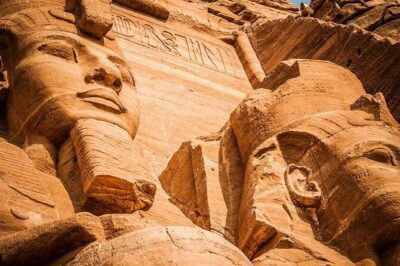
Private Day Tour to Abu Simbel Temples from Aswan
Read our review →