
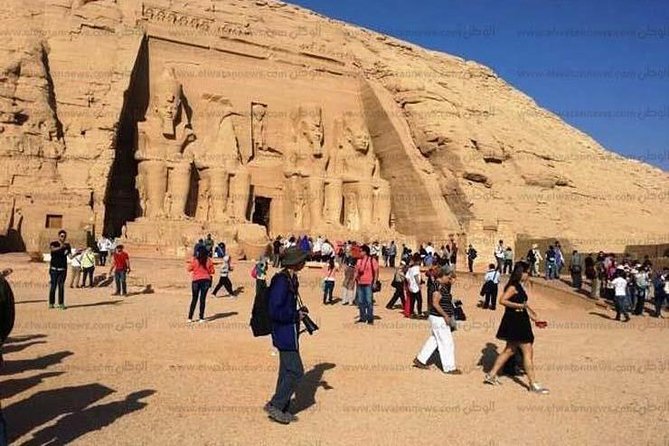
Reviewed · ABU SIMBEL
3 Nights Nile cruise Aswan&Luxor,tours& Hot air Balloon,Abu simbel From Aswan
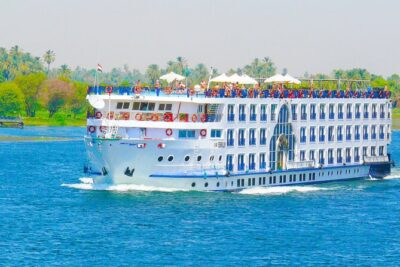
This deluxe Nile cruise is interesting because it stitches together big-ticket Egypt highlights, temple days, and a hot-air balloon sunrise over Luxor’s West Bank, all without you constantly changing hotels. You sail Aswan to Luxor while the sights happen on shore, then return to the ship to rest, eat, and watch the river shift.
I love the door-to-door ground transfers that take the stress out of temple logistics, including airport or train station pickup. I also like that you get an Egyptology guide and a guided temple plan, so you’re not just wandering around guessing what you’re looking at.
One possible drawback is the cabin experience. The cruise includes cabins with all facilities, but some past guests reported room disappointment such as small, basement-feeling quarters and tired-looking windows. There’s also at least one complaint about coordination between ship staff and the land-tour team, so it’s smart to confirm your schedule with the operator on day one.
Key highlights worth circling
- Hot-air balloon over Luxor’s West Bank with a very early pickup and a 30 to 45 minute flight
- Abu Simbel included as a special trip, not a random add-on
- Egyptologist-led temple touring across Aswan, Kom Ombo, Edfu, Luxor, and more
- Time-saving transfers with hotel/port pickup and drop-off, plus air-conditioned vehicle travel
- Onboard comfort features like Wi-Fi up to 4GB and meals paced across the day
Why an Aswan-to-Luxor cruise with a balloon is such a smart match
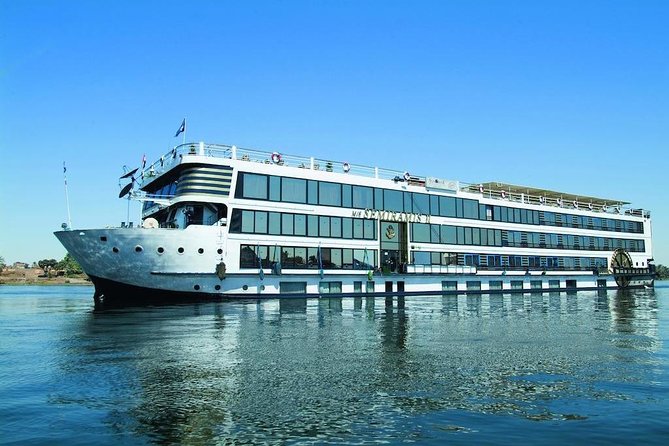
If this is your first trip to Egypt, this format is hard to beat. Instead of bouncing between cities and hotels, you put your base on the Nile. That means more time for actual sightseeing, and less time on the “sit in traffic, wait for tickets, check-in, repeat” cycle.
What makes this one especially tempting is the balloon ride. It’s not just a quick daytime flight. You get an early start, then you’re up before the crowds and before the heat. From the air, the West Bank and Luxor’s temple area look like a plan you can finally understand.
Onboard, you’re also set up for an easy rhythm. You’re guided for the temples, then you come back to the ship for meals and river views. In practice, that pacing matters more than people expect. A busy day on foot hits harder when you have to pack and move right after.
More Hot Air Balloon Rides in Aswan
- 4-Days Nile Cruise From Aswan To Luxor including Abu Simbel and Hot Air Balloon
★ 5.0 · 3,142 reviews - 4-Day 3-Night Nile Cruise from Aswan to Luxor including Abu Simbel, Air Balloon
★ 4.5 · 612 reviews - From Aswan: 3-Day Cruise to Luxor with Hot Air Balloon
★ 4.3 · 598 reviews
Hot-air balloon over Luxor: what to expect and how to prepare
The hot-air balloon day is the highlight, and it’s also the one part most affected by weather. The experience requires good weather, and if it’s canceled due to poor conditions, you’re offered another date or a full refund.
Timing is the big deal here. Your pickup is around 5:00 am, then you head out for a 30 to 45 minute hot-air balloon flight over Luxor’s West Bank. The goal is sunrise light across Luxor and the mountains and temple area below.
Practical tips for your day:
- Wear layers. Early mornings can feel cooler than you expect near the river.
- Don’t plan anything demanding right before the pickup. You’ll want your head clear, not scattered.
- Bring what you need for photos, since you’ll want to capture the temples and river views from above. (The flight itself is short, so be ready early.)
One more note: the schedule includes hot-air balloon activity listed as 1 hour, but the flight time is specifically 30 to 45 minutes. Either way, treat the morning as a full block.
Aswan High Dam, Philae Temple, and Nubian Village on Soheil Island
Your Aswan day starts with the Aswan High Dam, a 1960 project that helped protect Egypt from flooding and also supports electricity generation. It’s not the most “romantic” stop, but it’s a good anchor for what you see later. The Nile is not just scenery in Egypt, it’s infrastructure.
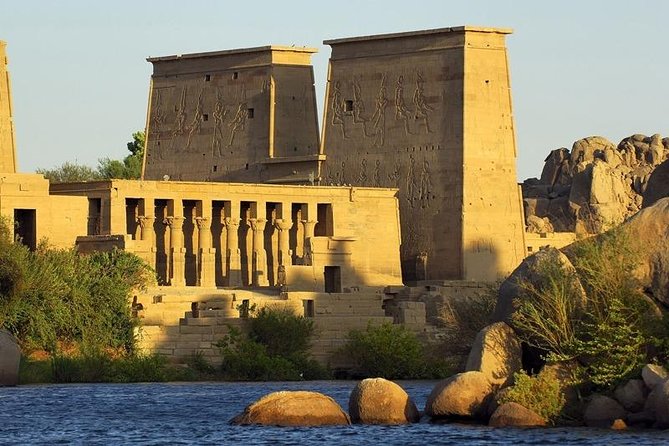
Next comes the Temple of Philae, dedicated to the goddess Isis. You travel by small motorboat to reach it, which instantly makes the site feel like more than a gate and a courtyard. This is also a place where you can spot the mix of styles, because it’s described as Graeco-Roman.
Then you shift from temples to daily life with a visit to a Nubian Village on Soheil Island. You take a motorboat ride slowly along the Nile to reach the village, get a welcome drink inside a Nubian family house, and walk around with your guide. This part matters because it adds texture to the trip. You get conversation and customs, not just stones and carvings.
Duration-wise, expect a longer day. The Nubian Village segment alone runs about 3 hours, so plan to eat well and conserve energy for the afternoon and evening.
Abu Simbel and Kom Ombo: two temple moods in one day
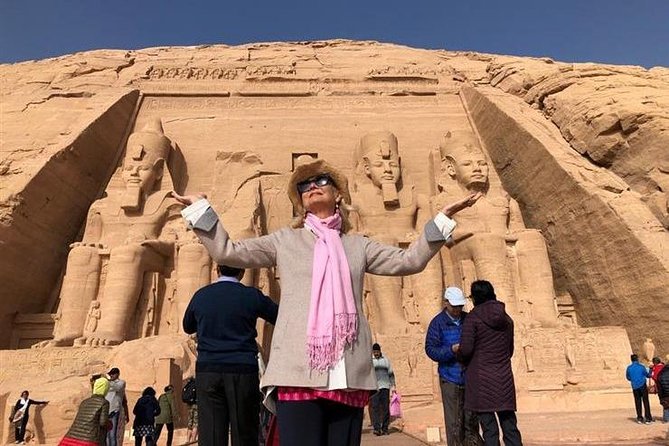
Abu Simbel is included as a special trip, and it’s the kind of site that can make or break a Nile itinerary. When a cruise includes it, you’re getting a day that would otherwise be a separate excursion on many trips. That’s value right there, because Abu Simbel is far and time-consuming.
After that, the day connects to Kom Ombo, a dual temple dedicated to Sobek, the crocodile god, and Horus, the falcon god. This temple is different from the typical single-focused worship space. It gives you a chance to compare how different divine symbolism shows up in stone.
You’ll return to the cruise for dinner after the Kom Ombo visit. Then the ship keeps moving toward Edfu for overnight. The sailing between stops is the “breather” in a packed itinerary. Even if you’re tired, it helps your body reset.
More Nile Cruises in Aswan
- 4-Day 3-Night Nile Cruise from Aswan to Luxor&Abu Simbel+Balloon
★ 5.0 · 2,023 reviews - From Aswan: 4-Day Nile Cruise from Aswan to Luxor with Guide
★ 4.1 · 593 reviews - 4-Days Nile Cruise From Aswan To Luxor including Abu Simbel and Hot Air Balloon
★ 4.5 · 509 reviews - 4-Day 3-Night Nile Cruise from Aswan to Luxor – Private Tour
★ 5.0 · 369 reviews
Edfu Temple of Horus, horse carriage, and crossing Esna Lock
Daytime touring on a Nile cruise has a pattern, and this one keeps it efficient. After breakfast, you do a horse-drawn carriage ride to the Temple of Horus at Edfu. It’s described as one of the best preserved Egyptian temples, so that’s a good promise for your time there.
Back on the cruise, you relax while the ship sails. The route includes crossing Esna Lock, which is a cool operational moment if you enjoy how places actually work. You get to watch the boat maneuver as the Nile traffic shifts.
This day also includes lunch on board and afternoon tea on the sundeck. That’s one of those details that sounds small until you do it. Tea on the deck gives you a structured break between temple days, and it keeps the day from feeling like a nonstop tour marathon.
If you want the most enjoyable version of this day, focus on that deck time. Sitting, looking, and letting the river do its quiet work helps the temple days land better.
Luxor Temple on the East Bank, plus a belly dancing show
When you reach Luxor, you switch banks. Your cruise docks, then you take a transfer to Luxor Temple on the East Bank. It’s described as showing ancient Egyptian, Christian, and Islamic features. In other words, it’s not frozen in one time period, and that makes it easier to wrap your head around Egypt’s long layers.
Late afternoon is a smart slot. You’re usually less scorched than mid-day. Then dinner is on board, and there’s a belly dancing show. It’s included, so you don’t have to decide, buy tickets, or add another evening plan.
The overnight in Luxor sets you up for the big West Bank day that comes next. It’s also where you’ll feel the difference between “cruise time” and “temple time.” The next morning is early, so you’ll want to sleep well tonight.
West Bank day at the right pace: Valley of the Kings, Hatshepsut, Karnak
This is the packed day, and it’s also the day where you’ll remember why people come to Egypt in the first place. You start with breakfast and then head to the Valley of the Kings, where pharaohs from the New Kingdom carved tombs into the mountains to protect their treasures.
Next is Temple of Hatshepsut at Deir el Bahari, the mortuary temple of Egypt’s famous queen Hatshepsut. The tour includes time to discover her story with her nephew. It’s one of those stops that feels like it has a personality because the visuals and setting do some of the work for you.
You also get a photo stop connected to the Colossi of Memnon, and you’ll see these giant statues referenced in the day’s flow. Then you shift back to the East Bank for Karnak Temple, described as the largest temple ever, built over about 2000 years and spread across roughly 63 acres.
Here’s the practical way to enjoy Karnak. Don’t try to absorb everything at once. Treat it like a walk through chapters. Focus on one or two major sections, get the photos you want, and let the scale do its job. Karnak rewards patient viewing, not speed-walking.
Lunch is included for the overall trip plan through the day, but it also notes lunch time at a local restaurant as optional during the West Bank touring. Entrance fees for sites are not included, so your total spend on the day can vary depending on which ticket options you choose.
Meals on board: what included dining actually means
This cruise includes meals across the sailing days. You get lunch on the first day and breakfast on the last day, plus three breakfasts, three lunches, and three dinners overall.
From the positive feedback you can take to the bank, the dining experience is a core strength. People praise the chef and the menu spread, and they also specifically mention hygiene and a well-run service style. That matters on long temple days. When food is handled well, you don’t waste energy worrying about your energy level.
Drinks are not included, and entrance fees are not included. So think of the included meals as solid coverage for calories and recovery, not as a bar tab.
Price and value: does $370 per person make sense?
At $370 per person for about 4 days and 3 nights, the value comes from what’s bundled, not just the cruise bed. You’re paying for:
- A deluxe 3-night Nile cruise
- Egyptology-led temple visits
- Door-to-door transfers including airport or train station pickup
- A full day that includes Abu Simbel
- Hot-air balloon over Luxor’s West Bank
- Horse-drawn carriage and other included transport during tours
- Onboard meals and Wi-Fi up to 4GB
The biggest extra costs to expect are entrance tickets at the temples and drinks. Gratuities are optional. In a trip like this, those add-ons can change your final budget more than you’d think, so it’s smart to set aside a separate amount for site entry fees.
If you compare what it would cost to arrange Abu Simbel and a Luxor balloon independently, the bundled price often feels more reasonable than it sounds. You’re paying for coordination as much as you’re paying for transportation and sailing.
Cabin reality check: comfort is included, but room quality can vary
The cruise includes cabins with all facilities, and that’s a baseline you should feel good about. Still, at least one complaint points to rooms feeling small and slightly grim, with basement location and older, unclear windows.
So how should you plan around this possibility?
- When you book, ask what cabin categories are available and whether there are options above the lowest level.
- If you’re sensitive to noise, damp-feeling areas, or poor daylight, prioritize information about window size and cabin level.
Even on a strong itinerary, your room affects your recovery. Most of your day is outside, but you still need a comfortable place to sleep and reset.
Service and timing: where this trip tends to win
The strongest feedback pattern here is simple: things run on time, and transfers are handled smoothly. People highlight timely pick up and drop-off for temple visits, plus a deck setup where the river views feel like a reward rather than downtime you have to manufacture yourself.
There is also a caution that appears in the mix. One complaint says the tour land operations can run separately from the ship staff, with limited coordination on the ship side. You can reduce the impact of that by doing one small thing on arrival: confirm your day-by-day schedule and your pickup times with the operator’s team that morning.
On a tight itinerary, that’s not paranoia. It’s just good travel sense.
Who this Aswan and Luxor cruise is best for
This cruise is a great match if you want:
- Big-name sights in a short window, without constant hotel changes
- Guided temple days with an Egyptology guide
- Included meal coverage and time to rest on the sundeck
- A Luxor hot-air balloon ride as a non-negotiable item
It may be less ideal if you know you will be unhappy with a smaller or less bright cabin. Also, if you hate feeling like multiple teams are involved in your schedule, you’ll want to confirm the handoffs early.
It’s also listed as a private tour/activity where only your group participates. That can feel calmer than large shared tours, though you still follow the standard day timing for each stop.
Should you book this Nile cruise?
I’d consider booking if your priorities match this trip: Abu Simbel included, Luxor temples, and a balloon over the West Bank. The price is hard to argue with when you factor in those major components plus transfers and Egyptology touring.
I’d hesitate if you’re very sensitive to cabin location or natural light, because some past guests reported disappointment with basement-feeling quarters. If that’s you, ask specific questions about cabin category before you pay.
If you do book, your winning move is simple: treat the early morning balloon day as sacred, confirm your schedule on day one, and plan your budget for entrance tickets and drinks. Do that, and this itinerary becomes exactly what it claims to be, a streamlined way to see a lot of Egypt without feeling rushed every minute.
FAQ
How long is the cruise experience and how many nights are included?
It’s approximately 4 days, with 3 nights onboard the cruise.
What is the price per person and what’s included in that cost?
The price is $370 per person. Included items cover 3 nights onboard, a cabin with all facilities, onboard meals (lunch on the first day through breakfast on the last day, plus the listed three breakfasts, three lunches, and three dinners), Egyptology guide services, and the sites named in the itinerary. It also includes door-to-door ground transfers (including airport or train station pickup), Abu Simbel, a hot-air balloon ride, horse and carriage, air-conditioned vehicle, taxes and service charges, and free Wi-Fi up to 4GB.
Are entrance fees included for the temples and attractions?
No. Entrance fees are not included.
Do you get pickup and drop-off, and where is it available?
Pickup is offered, including hotel/port pickup and drop-off, with door-to-door ground transfers that can include airport or train station pickup.
Is the hot-air balloon ride included, and when does it happen?
Yes. The hot-air balloon ride is included. You’ll have pickup around 5:00 am for the balloon flight over Luxor’s West Bank, with a flight time listed as about 30 to 45 minutes. The hot-air balloon ticket is included.
Does the trip include Abu Simbel?
Yes. A special trip to Abu Simbel is included.
What meals are provided during the cruise?
Meals include lunch on the first day and breakfast on the last day, with three breakfasts, three lunches, and three dinners included. Drinks are not included.
What if I need to cancel or if weather affects the experience?
Free cancellation is available up to 24 hours in advance for a full refund. The experience requires good weather, and if it’s canceled due to poor weather, you’ll be offered a different date or a full refund.
More ways to reach Abu Simbel
- From Aswan: Abu Simbel Temple Day Trip with Hotel Pickup
★ 4.4 · 2,807 reviews - Private Day Tour to Abu Simbel Temples from Aswan
★ 4.5 · 507 reviews - 4 Days Nile Cruise from Aswan to Luxor including Abu Simbel and Hot Air Balloon
★ 4.5 · 356 reviews - From Aswan: Abu Simbel Day Tour with Private Guide and Car
★ 4.3 · 342 reviews
Reviewed most recently around Aswan
- Private Day Tour to Abu Simbel Temples and Nubian Village From Aswan★ 5.0 · 20 reviews
- 4 Days 3 Nights Cruise Aswan To Luxor, Abu Simbel and Air Balloon★ 5.0 · 20 reviews
- Private Day tour to High Dam&Unfinished Obelisk&Philae From Aswan★ 5.0 · 20 reviews
- Private Tour in Aswan : Nubian Village and Felucca★ 5.0 · 20 reviews
- Best Half Day Private Tour of Aswan★ 4.5 · 21 reviews
- Abu Simbel Excursion Day Trip from Aswan (Sharing Bus without Guide)★ 4.0 · 21 reviews
- Aswan to Luxor via kom ombo and EDFu temples★ 4.5 · 21 reviews
- Aswan : Private Tour to Unfinished Obelisk, High Dam and Philae Temple by BOAT★ 4.5 · 22 reviews
Abu Simbel, compared.
4-Days Nile Cruise From Aswan To Luxor including Abu Simbel and Hot Air Balloon
Read our review →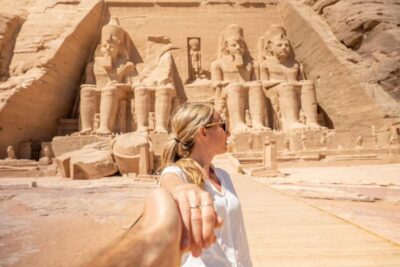
4-Day 3-Night Nile Cruise from Aswan to Luxor&Abu Simbel+Balloon
Read our review →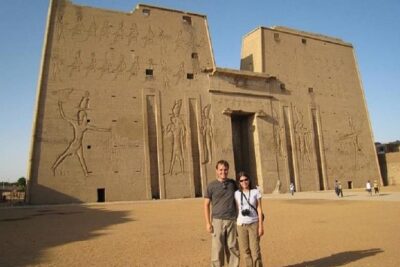
4-Day 3-Night Nile Cruise from Aswan to Luxor including Abu Simbel, Air Balloon
Read our review →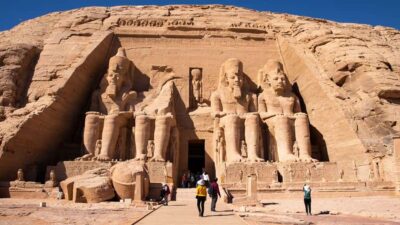
Abu Simbel Temple Private Guided Day Trip with Lunch
Read our review →4-Days Nile Cruise From Aswan To Luxor including Abu Simbel and Hot Air Balloon
Read our review →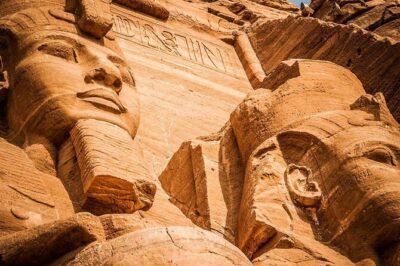
Private Day Tour to Abu Simbel Temples from Aswan
Read our review →4 Days Nile Cruise from Aswan to Luxor including Abu Simbel and Hot Air Balloon
Read our review →Browse the lists this tour appears in