
This 4-day Aswan to Luxor Nile cruise is interesting because it mixes classic temple touring with a sunrise hot air balloon flight. You’re basically doing ancient Egypt by day, then catching the light change over Luxor by dawn.
I like the 5-star ship feel, with roomy decks and a steady rhythm of guided stops plus real time to relax on board. That balance matters on a route like this, where the landmarks are amazing but the days can get full.
Second, I love the way the Egyptology guide turns each site into an understandable story, with standout names like Shady at Kom Ombo and Mervat at Philae Temple. One possible drawback: you start early, and two major add-ons have admission tickets not included, including the balloon and Abu Simbel.
Key highlights worth planning around
- Sunrise balloon over Luxor’s west bank (about 30 to 45 minutes, depart around 5:00 am)
- Philae Temple by motorboat to the Isis temple complex, then back for dinner and a folkloric show
- Kom Ombo’s dual-theme temple (Sobek and Horus) plus a crocodile-themed museum area
- Edfu Temple of Horus approach by horse carriage and a scenic river sail with Esna Lock
- Luxor Temple timing at dusk, with the option to add Karnak if you arrive early enough
- Expert guides with real names named in feedback, like Shady, Osama, Taha, Rabeh, Mahmoud, and Mervat
Why this Aswan to Luxor cruise-plus-balloon combo works
This trip has a simple magic trick. It uses the Nile cruise to slow the pace between big sites, then adds one truly memorable experience that does not look like a museum photo. The hot air balloon is not just a ride, it’s a different way to see Luxor, especially at first light from the sky over the west bank.
At the same time, you’re not stuck just floating. You get organized visits to major highlights: Philae Temple, Kom Ombo, Edfu’s Temple of Horus, Luxor Temple, the Valley of the Kings, Hatshepsut at Deir el Bahari, and Karnak. The best part is how the days are arranged to keep travel time from swallowing the whole vacation.
More Hot Air Balloon Rides in Aswan
- 4-Days Nile Cruise From Aswan To Luxor including Abu Simbel and Hot Air Balloon
★ 5.0 · 3,142 reviews - 4-Day 3-Night Nile Cruise from Aswan to Luxor including Abu Simbel, Air Balloon
★ 4.5 · 612 reviews - From Aswan: 3-Day Cruise to Luxor with Hot Air Balloon
★ 4.3 · 598 reviews
Step one: the Aswan welcome and your first onboard lunch
The experience starts with a meet and assist person meeting you at Aswan International Airport, the train station, or your hotel. From there, you ride in an air-conditioned van to the cruise ship. It’s a small detail, but it saves you the awkward part where you’re hunting for the right person in a busy terminal.
After check-in, you get lunch on board, which helps you settle in before the first tours. This is one of those practical touches you’ll appreciate later when you’re up early again for the balloon.
Day 1 in Aswan: High Dam, then Philae Temple by boat
Your first day is built around two famous Aswan landmarks, each for a different reason.
Aswan High Dam
You visit the Aswan High Dam, completed between 1960 and 1970, famous for controlling flooding and generating electricity. Admission is included, so you’re not spending time negotiating entry while your day is already packed.
Why I like this stop: it gives you the modern Nile context. Even if your heart is with ancient Egypt, this helps you understand why the Nile region looks and works the way it does now.
More Nile Cruises in Aswan
- 4-Day 3-Night Nile Cruise from Aswan to Luxor&Abu Simbel+Balloon
★ 5.0 · 2,023 reviews - From Aswan: 4-Day Nile Cruise from Aswan to Luxor with Guide
★ 4.1 · 593 reviews - 4-Days Nile Cruise From Aswan To Luxor including Abu Simbel and Hot Air Balloon
★ 4.5 · 509 reviews - 4-Day 3-Night Nile Cruise from Aswan to Luxor – Private Tour
★ 5.0 · 369 reviews
Philae Temple at Timple, with a motorboat ride
Next comes Philae Temple, sometimes referred to as Philae Timple here. You take a short motorboat ride to reach the Graeco-Roman temple dedicated to Isis, then return for dinner on the ship.
You’re also set up for an entertainment moment, with a folkloric show after dinner. That mix of ancient stone plus live culture is a nice emotional reset. It also breaks up the day so you’re not only walking and staring.
Day 2: Abu Simbel’s long outing, then Kom Ombo’s twin-god temple
Day 2 has two heavy hitters. One is a huge time commitment, the other is a very memorable temple design.
Abu Simbel Temples near the Sudan border
Abu Simbel is carved into a mountainside under Pharaoh Ramesses II with a smaller temple honoring Queen Nefertari and the goddess Hathor. The big Great Temple is aligned to a biannual solar event, where sunlight reaches deep inside.
Here’s the key consideration: Abu Simbel admission is not included. The schedule includes the visit, but you’ll need to plan for the extra ticket cost. Also, it’s listed as a long day, so expect it to be more tiring than the shorter temple stops.
Kom Ombo Temple: Sobek on one side, Horus on the other
Kom Ombo is included and has admission covered. This temple is known for its symmetrical layout and dual dedication: Sobek (crocodile god) and Horus (falcon-headed god). The temple reliefs include subjects tied to ancient medicine and surgical tools, which makes it feel oddly specific compared with some other temple sites.
There’s also a Crocodile Museum nearby with crocodile mummies and artifacts tied to Sobek worship. If you like details, this is the kind of stop that makes the guide’s storytelling click, and names like Shady, Taha, Super Mo, and Mahmoud have been called out as strong guides at Kom Ombo.
Day 3: Edfu’s Temple of Horus, a horse carriage ride, and river cruising to Luxor
Day 3 is where the cruise rhythm really shows. You’ll do one of Egypt’s best-preserved temple experiences, then sail toward Luxor.
Temple of Horus at Edfu
You start after breakfast and head to Edfu for the Temple of Horus, widely regarded as one of the most well-preserved temples in Egypt. You go with a horse carriage ride guided by your guide, which keeps the experience lively. It’s not just transport, it’s part of the local feel of arriving at the site.
Admission is included. Then you return to the cruise to relax.
Sailing highlights and onboard time
As you sail toward Luxor, you pass through Esna Lock. You’ll also have lunch on board, and in the afternoon you get tea on the sundeck.
That tea part sounds small, but it’s exactly why this style of travel works. After a day of walking stone corridors and reading meanings, you get a quiet moment to watch the Nile banks slide by.
Luxor Temple on the East Bank
Late afternoon brings you to the Luxor dock, and you transfer to Luxor Temple on the East Bank. The site shows a layered story, with ancient Egyptian, Christian, and Islamic influences.
You get dinner on board plus a belly dancing show, and you spend the night in Luxor. There is also a practical timing note: if your arrival hits the Luxor dock by 3:00 or 3:30 pm, you’ll have time to visit both Karnak and Luxor Temples. If you arrive later, Karnak is saved for the final day.
Day 4: balloon at dawn, then the west bank trio and Karnak
The final day is where the trip earns its wow-factor, and it all starts early.
Hot air balloon in Luxor (around 5:00 am)
You depart around 5:00 am for a 30 to 45 minute hot air balloon ride over Luxor’s west bank. The balloon ticket admission is not included, so budget for it if you want the full effect.
What you’re really buying here is light and perspective. From above, Luxor stops being a list of monuments and becomes a layout. You see how the Nile curves, where the temples sit, and how the west bank tomb area stretches across the hills.
Colossi of Memnon, free and quick
Before the bigger tomb sites, you visit the Colossi of Memnon, two enormous stone statues connected to Pharaoh Amenhotep III. Admission is marked as free here. It’s a good warm-up stop, especially if you’re still half-asleep from balloon wake-up.
Valley of the Kings
After breakfast and checkout, you drive to the west bank for the Valley of the Kings. This is where New Kingdom pharaohs carved tombs into the mountains to protect mummies and treasures. Admission is included.
If you want to understand why people still get emotional here, ask your guide to explain the logic behind the tomb layouts. The walls matter, but the “why” makes the whole valley come alive.
Deir el Bahari and Hatshepsut’s temple
Next is the Temple of Hatshepsut at El Deir El Bahari. Admission is included. You’ll see the temple’s architecture and learn about her reign with her nephew.
There’s an optional lunch at a local restaurant after this part of the tour. If you’re energy-low, this is the time to take it easy. If you’re feeling good, it’s a chance to pause before the final temple push.
Karnak Temple to wrap it all up
Then you head back to the East Bank for Karnak Temple. It’s built over about 2,000 years and covers around 63 acres. Admission is included.
After Karnak, you’re transferred back to your Luxor hotel, the airport, or the railway station around 3:00 to 4:00 pm.
Omar Nile Cruise: what comfort and service actually feel like
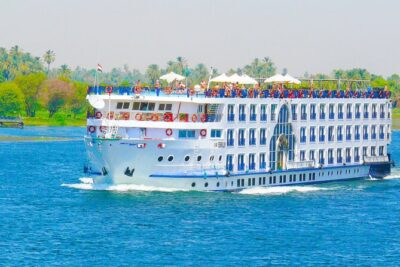
The cruise is described as luxurious, clean, and comfortable, and that matches the overall design goal of this kind of ship. You get spacious decks and lounge areas, which is key when you’re doing early starts. After a hot day touring, you need places to cool down without feeling like you’re sitting on top of strangers.
Meals are handled as part of the package: breakfast (3), lunch (3), and dinner (3) are included. More than the food itself, I like that meals create structure. When your schedule is packed with temples, having meals organized means you spend less time chasing food and more time actually seeing things.
On the service side, crew attention is repeatedly praised. When you’re juggling guides, boats, and transfers, it helps when staff keep things smooth.
Guides make the difference: named Egyptologists and better storytelling
This route can become a blur of names if your guide doesn’t connect the dots. The standout theme here is that the Egyptology guides are strong, with feedback that calls out specific people at specific sites.
A few names you may run into in this experience style include:
- Shady at Kom Ombo
- Osama at Philae Temple
- Taha at Kom Ombo
- Rabeh at Edfu
- Mahmoud at Kom Ombo
- Mervat at Philae Temple
Even if you do not get the same guide, this tells me the tour format is built around storytelling, not just ticket scanning. Ask questions. When a guide explains symbolism and history in plain language, the sites turn from “places to look at” into “places to understand.”
Price and value: what $786.50 buys and what costs extra
At $786.50 per person, the value comes from the package structure.
You’re getting:
- A 3-night stay on a 5-star Nile cruise
- Guided tours for the stops described
- All onboard meals (3 breakfasts, 3 lunches, 3 dinners)
- Air-conditioned transport for pickup and drop-off
- An English, Spanish Egyptology expert guide
- Meet and assist service for arrival and departure
What’s not included:
- Tipping (not included)
- Hot air balloon admission ticket
- Abu Simbel admission ticket
So the smartest way to judge value is to treat it like “cruise plus guided museum-quality touring.” The extra tickets are big, but they are limited to two main add-ons. If you’re the type who wants comfort and time savings, you’ll likely feel this price is fair for what’s covered.
Also note: it’s described as a private tour/activity, meaning only your group participates. That often means less waiting and more flexibility than a big public group.
Who should book this, and who might think twice
This is a great fit if you:
- Want a comfortable way to cover Aswan to Luxor without moving hotels
- Like guided history with clear explanations
- Want the balloon experience without having to organize it on your own
It can be less ideal if you:
- Hate early mornings, since the balloon departure is around 5:00 am
- Don’t like paying extra for big ticket items, since Abu Simbel and the balloon admission are not included
It’s also noted that most travelers can participate, so it’s fairly inclusive for general visitors, though you should still expect walking at temples and stairs at some sites.
A quick checklist for this specific trip
Plan for:
- Comfortable walking shoes (temple floors and uneven stone are common)
- Sun protection, especially for the west bank stops and balloon morning
- A budget for balloon and Abu Simbel admission plus tipping
- An early-night mindset, because after sunrise flights, your body will want sleep
If you want photos, bring what you need and keep your battery habits simple. Early mornings are when people forget to charge.
Should you book this Aswan to Luxor cruise with hot air balloon?
I’d recommend booking if you want the practical win of a Nile cruise plus the “only in Luxor” effect of a sunrise balloon. The itinerary covers the core icons most people travel for, and the ship adds real downtime so your trip doesn’t feel like a nonstop bus tour.
I’d think twice if early wake-ups or extra admission costs are deal-breakers for you. If you can handle a 5:00 am start and you’re okay budgeting for Abu Simbel and the balloon ticket, this package is one of the more straightforward ways to see southern Egypt with comfort and expert guidance.
FAQ
What is the duration and route for this experience?
It runs for about 4 days with 3 nights on a Nile cruise, traveling from Aswan to Luxor.
Where will I be picked up in Aswan?
You can be met at Aswan International Airport, the train station, or your hotel, with a transfer in an air-conditioned car.
Are meals included during the cruise?
Yes. Breakfast is included for 3 days, lunch for 3 days, and dinner for 3 days.
Which major entrance fees are not included?
The Abu Simbel Temple Complex admission is not included, and the hot air balloon admission ticket is also not included.
Is tipping included in the price?
No. Tipping is not included.
Is it refundable if I cancel?
Free cancellation is available up to 24 hours in advance for a full refund.
Reviewed most recently around Aswan
- Private Day Tour to Abu Simbel Temples and Nubian Village From Aswan★ 5.0 · 20 reviews
- 4 Days 3 Nights Cruise Aswan To Luxor, Abu Simbel and Air Balloon★ 5.0 · 20 reviews
- Private Day tour to High Dam&Unfinished Obelisk&Philae From Aswan★ 5.0 · 20 reviews
- Private Tour in Aswan : Nubian Village and Felucca★ 5.0 · 20 reviews
- Best Half Day Private Tour of Aswan★ 4.5 · 21 reviews
- Abu Simbel Excursion Day Trip from Aswan (Sharing Bus without Guide)★ 4.0 · 21 reviews
- Aswan to Luxor via kom ombo and EDFu temples★ 4.5 · 21 reviews
- Aswan : Private Tour to Unfinished Obelisk, High Dam and Philae Temple by BOAT★ 4.5 · 22 reviews
Nile Cruises, compared.
4-Days Nile Cruise From Aswan To Luxor including Abu Simbel and Hot Air Balloon
Read our review →
4-Day 3-Night Nile Cruise from Aswan to Luxor&Abu Simbel+Balloon
Read our review →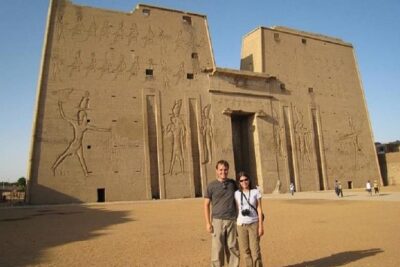
4-Day 3-Night Nile Cruise from Aswan to Luxor including Abu Simbel, Air Balloon
Read our review →
4-Day Nile Cruise from Aswan to Luxor with Guide
Read our review →4-Days Nile Cruise From Aswan To Luxor including Abu Simbel and Hot Air Balloon
Read our review →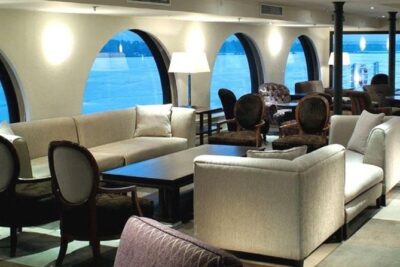
4-Day 3-Night Nile Cruise from Aswan to Luxor – Private Tour
Read our review →4 Days Nile Cruise from Aswan to Luxor including Abu Simbel and Hot Air Balloon
Read our review →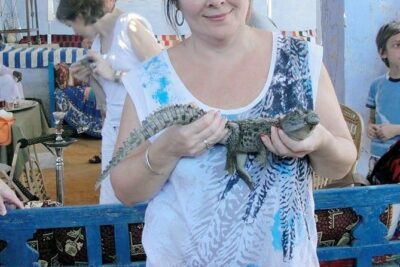
4-Day 3-Night Nile Cruise from Aswan to Luxor With Balloon and Abu Simbel
Read our review →Browse the lists this tour appears in