Reviewed · PRIVATE
From Cairo: Private All-Inclusive Tour of Luxor by Plane
A Luxor day from Cairo is interesting because the flight compresses two bucket-list regions into one working day. You start in the dark, get met at the Luxor airport (your guide holds a sign with your name), then you’re whisked straight into monuments on both banks. In real life, this means I like how guides such as Ahmed and Shereen turn a tight schedule into an actual story of ancient Egypt, not just a photo run.
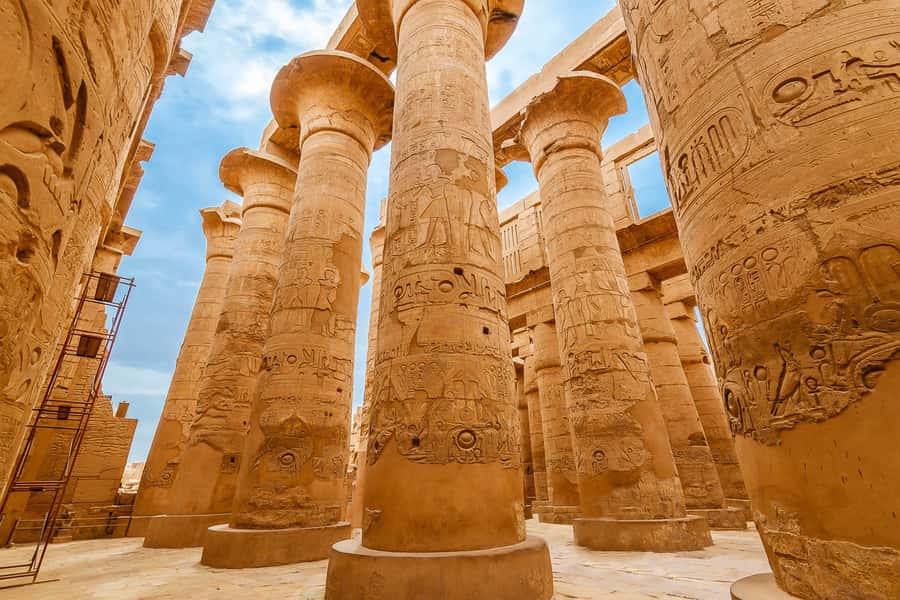
I also like two specific stops. First, the Valley of the Kings is the kind of place where a good guide helps you notice details you’d miss on your own. Second, Karnak’s Hypostyle Hall is so big that you need someone to point you at what matters, like the 134 columns and the main axis of the temple.
The main drawback is timing. The start is very early (often 3:30 am pickup), and late or delayed flights can create a long waiting window in Luxor before you head back.
Key things that make this tour work
- Flight logistics that save you a full overnight trip and keep Luxor realistic as a day add-on from Cairo
- Private, air-conditioned vehicle on the ground, so you are not juggling taxis or meeting strangers
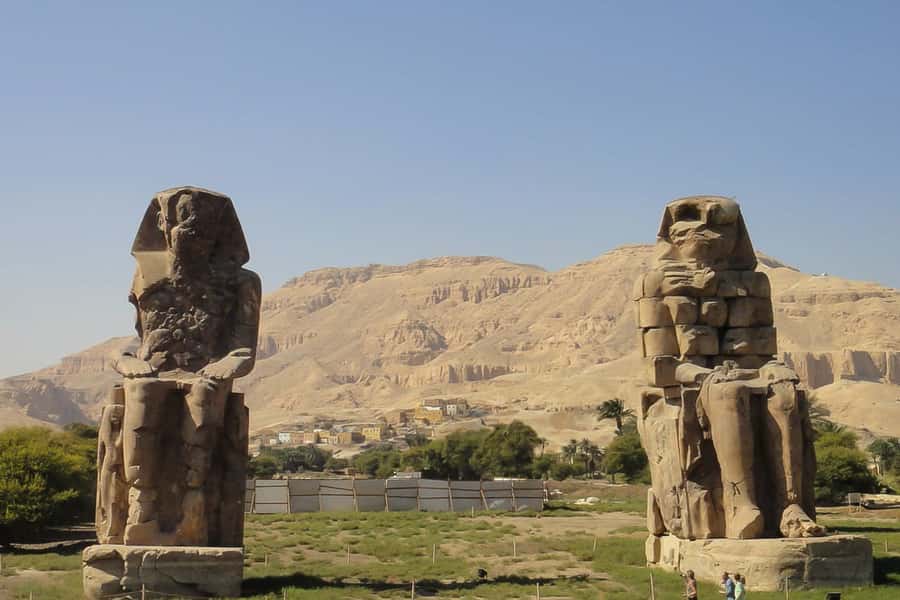
- West Bank highlights in one sweep: Valley of the Kings, Deir El Bahari, and the Colossi of Memnon
- Karnak guided timing with the right route through major sections such as the Avenue of Sphinxes and Hypostyle Hall
- Lunch included (and often served at a good local restaurant, sometimes with a Nile view)
- Late-flight contingency: your guide may help you rest with a hotel room if your return flight is pushed back
Flying from Cairo to Luxor, then seeing both banks in a single day
This is one of those trips that only works because of the airplane. You leave Cairo early, land in Luxor, and start sightseeing almost immediately. That matters because Luxor is not about “seeing everything,” it is about seeing the key monuments well before the heat and crowd pressure build.
You also get a proper private setup: pickup from your Cairo area by a tour representative, then private driving inside Luxor between sites. The day is structured so you are not wandering between locations while exhausted, which is a huge win when you are operating on a very early wake-up.
For most people, the “deal” is not the temples alone. The value is that the tour builds in the hard-to-solve parts: flights, transfers, entry fees, and a guide who can keep the day coherent. At $370 per person, that cost makes sense mainly because you are buying time and stress relief, not just tours and tickets.
Other Cairo days people put in the same week:
- Cairo: Pyramids & Great Sphinx Private Tour with Camel Ride
★ 4.9 · 6,335 reviews - Tour to Giza Pyramids and The Egyptian Museum
★ 5.0 · 6,016 reviews - VIP All inclusive Best of the best Giza Pyramids,Sakkara,Memphis
★ 5.0 · 3,164 reviews
The Cairo pickup and Luxor airport meet, what to expect at 3:30 am
Your morning typically starts around 3:30 am. Pickup is offered from several Cairo-area locations (including Al Haram, Giza District, and 6th of October City), and you transfer to the domestic airport with the tour representative.
The key detail is that you travel with your paperwork ready. You’ll need a passport or an ID card, and the operator asks for full names and passport numbers for flight ticketing. That is not busywork. It prevents the kind of last-minute scramble that ruins early starts.
In Luxor, your guide greets you right after you land, with a sign showing your name. Then you head out by private air-conditioned vehicle to begin the West Bank circuit.
West Bank start: Valley of the Kings without the chaos
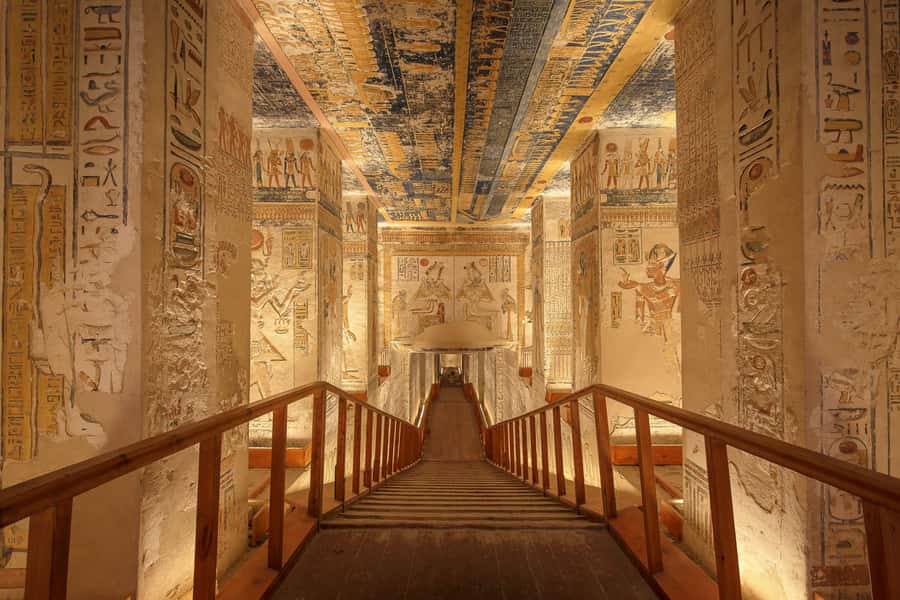
The West Bank is where Luxor feels most like a living museum. The Valley of the Kings is the first major stop, and going early helps you see royal tombs in a calmer rhythm.
What makes a guided visit valuable here is not the big headline facts, it is the navigation. A good guide can point out what each tomb represents and how the artistic program relates to the afterlife beliefs. You also get a better sense of why the kings were buried here and how the necropolis fits together as a whole.
If you like photography, this is also where you’ll want to slow down. The cliffside setting and carved entrances reward careful looking, not just quick snapshots. If you rush, you miss the “why” behind what you are seeing.
Practical note: this is an early day, so bring water and pace yourself. You have bottle water included, but you’ll still feel the morning pace in your legs after the flights and drive.
Queen Hatshepsut’s mortuary temple at Deir El Bahari
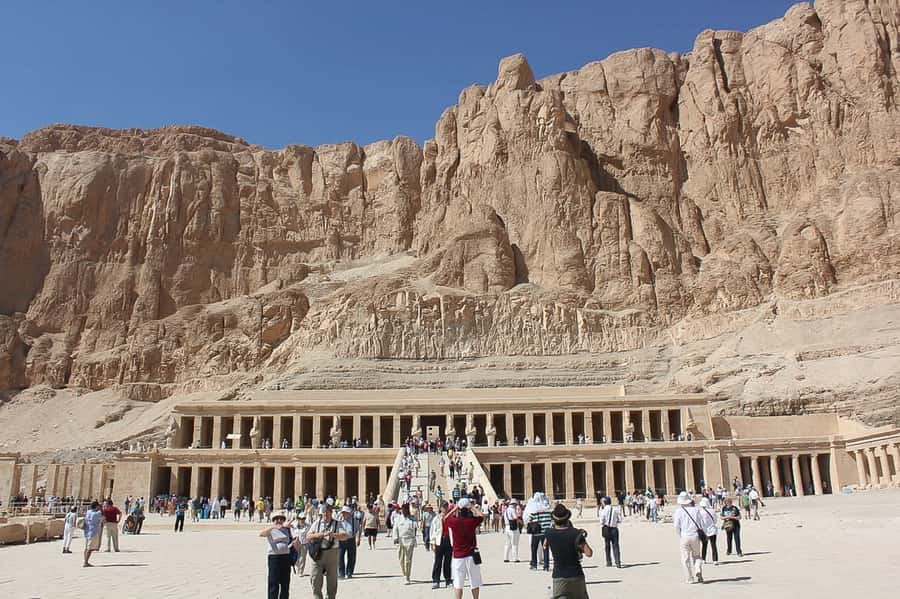
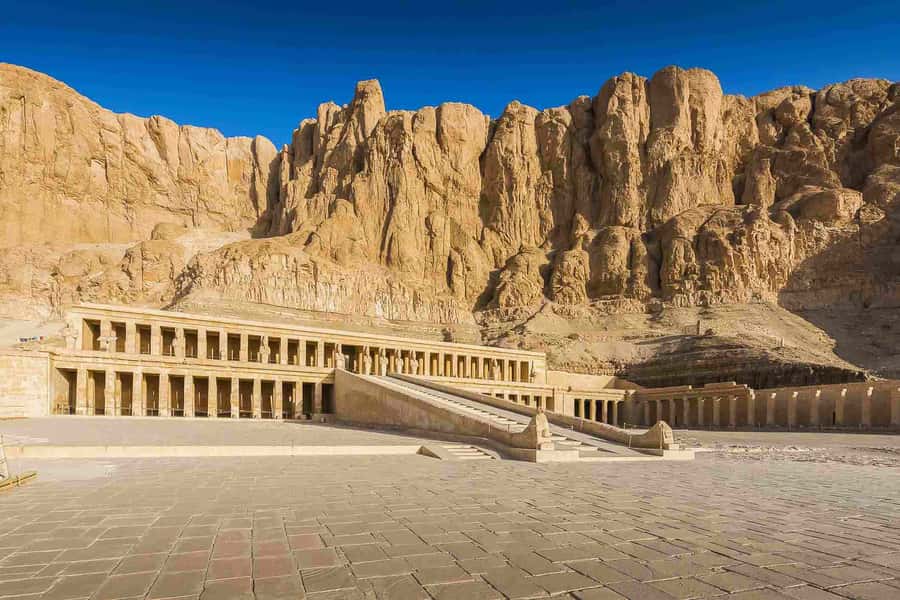
Next up is Deir El Bahari, the mortuary temple of Queen Hatshepsut. This stop is special because it is not a single structure. It is a set of terraces and courts that climbs the hillside in a way that feels almost designed for theater.
Hatshepsut is also one of those figures where the guide really matters. With the right framing, you understand why her temple looks the way it does and how the temple communicates power through architecture and iconography. Guides such as Ahmed and Ayman are praised for explaining the meaning behind what you are looking at, not just listing features.
Expect time to move slowly through the spaces and absorb the layout. The temple’s mood changes as you climb and shift vantage points, and it helps to have someone who can explain what you are seeing in the sequence you experience it.
A different kind of day out of Cairo:
- From Cairo: Pyramids of Giza, Sphinx, Saqqara & Memphis Tour
★ 4.7 · 3,110 reviews - Cairo 8 Hour Private Tour of Pyramids, Egyptian Museum and Bazaar
★ 5.0 · 2,931 reviews - From Cairo: Half-Day Tour to Pyramids of Giza and the Sphinx
★ 4.6 · 2,891 reviews - Cairo: Pyramids, Sakkara & Memphis Tour with Lunch
★ 4.6 · 2,493 reviews
Colossi of Memnon: quick, iconic, and worth the stop
After Hatshepsut, you pause at the Colossi of Memnon. These are the two gigantic sitting statues representing Amenophis III, facing toward the Nile.
This is a shorter stop compared with Valley of the Kings and Karnak. But it works well as a breathing moment before you cross back toward the Eastern Bank.
The guide can make this stop click by connecting it to the larger temple and monument system along the Nile. Even if you only spend a limited time here, you’ll leave with a clearer mental picture of how this landscape functioned.
Crossing the Nile, switching from West Bank scale to Eastern Bank spectacle
Once you finish the West Bank circuit, you cross the Nile by car and head toward the Eastern Bank temples. This change of bank often feels like a shift from royal burial geography into ritual geography.
The schedule keeps moving: you’re not sent back to a hotel for a long break. Lunch is included, and it is usually partway through the day, often at a local restaurant. One common pattern from guides like Shereen and Ahmed is that lunch is treated as a real meal, not just a timed stop.
If you are the type who gets cranky without a real break, this is where you’ll be thankful lunch is built into the plan. Still, expect heat and dust, so keep your morning hydration smart.
Luxor Temple courtyard and Ramses the Great statues
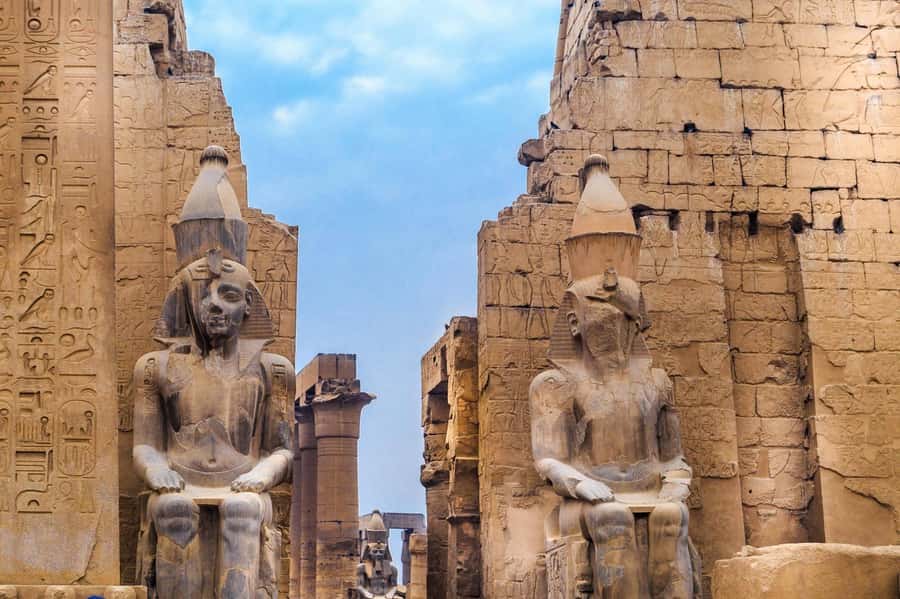
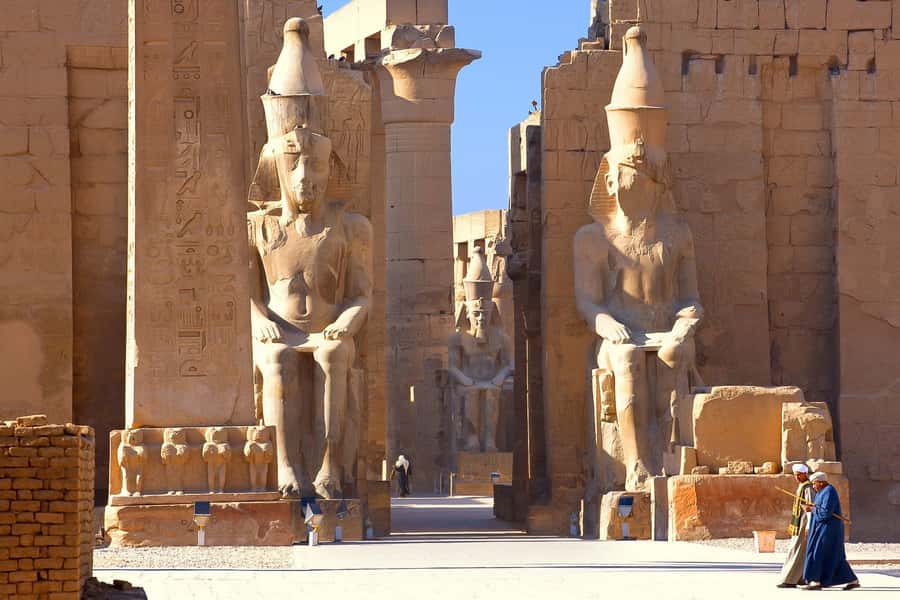
On the Eastern side, the tour includes Luxor Temple. The courtyard and the granite statues of Ramses the Great are the immediate draw.
This temple is a good transition because it is grand but not as overwhelming as Karnak. It also helps you understand how Luxor’s two main temple complexes relate to each other in daily ancient life: processions, offerings, and sacred space all connect.
Try to look at the temple like a staged scene. The best viewing comes from standing still and letting your guide point out how the monuments frame movement from one area to the next.
Karnak Temple, the Avenue of Sphinxes to the Hypostyle Hall
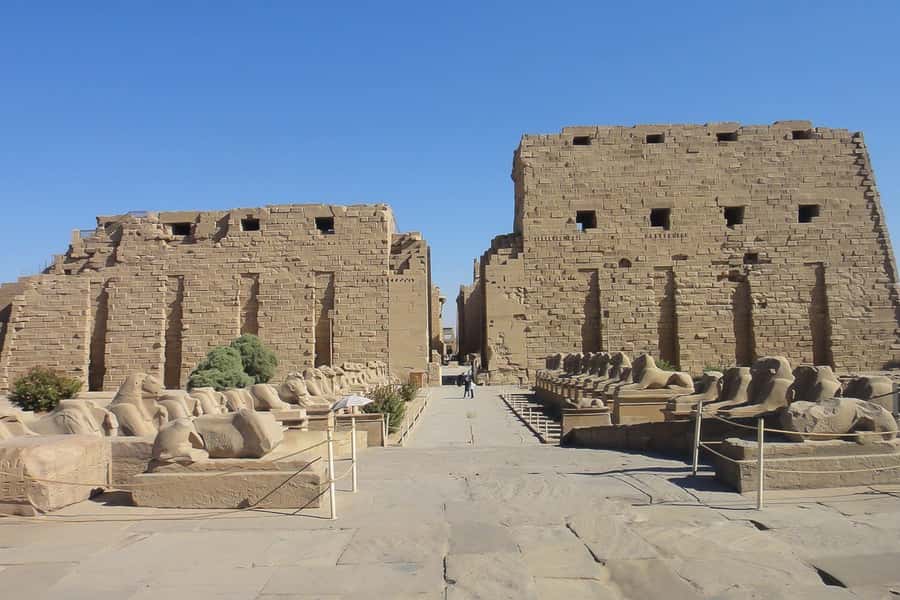
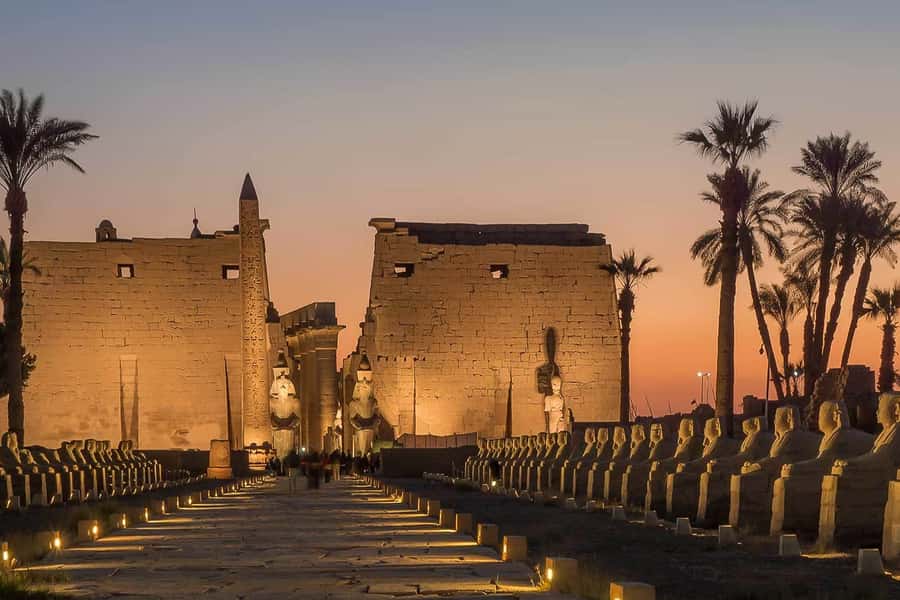
Karnak is the star of the Eastern Bank for many people, and your guide steers the route through the complex. The day typically starts with the Avenue of Sphinxes, then moves toward major architectural highlights like the Unfinished Propylon and the Hypostyle Hall.
Here are the specific sections you should be mentally ready for:
- Unfinished Propylon: a reminder that empires do not always finish what they begin
- Hypostyle Hall with 134 columns: a scale shock, and you need someone to help you orient
- Obelisks of Queen Hatshepsut and Tutmosis III: a direct visual lesson in who held power and when
- Temple of Amon with lotus and papyrus designs: decorative symbolism that reads like ancient Egyptian branding
- Granite scarab of Amenophis III: another moment where your guide should help you notice the smaller “meaning” details
- Sacred Lake: a quieter stop that rounds out the complex beyond just the big rooms
This is where you’ll feel the tour’s strongest value: a private guide. Many reviews highlight that guides do more than translate labels. They explain the story behind carvings and how the temple evolved across reigns.
One more practical point: Karnak is not just sightseeing, it is walking and shade management. If you want photos, plan for short pauses where you can stand, look, and then move again. If you get lost, ask your guide. Trying to self-navigate a huge temple complex after an early morning is the fastest way to feel like you missed things.
Lunch in Luxor: included, usually solid, and a good place to reset
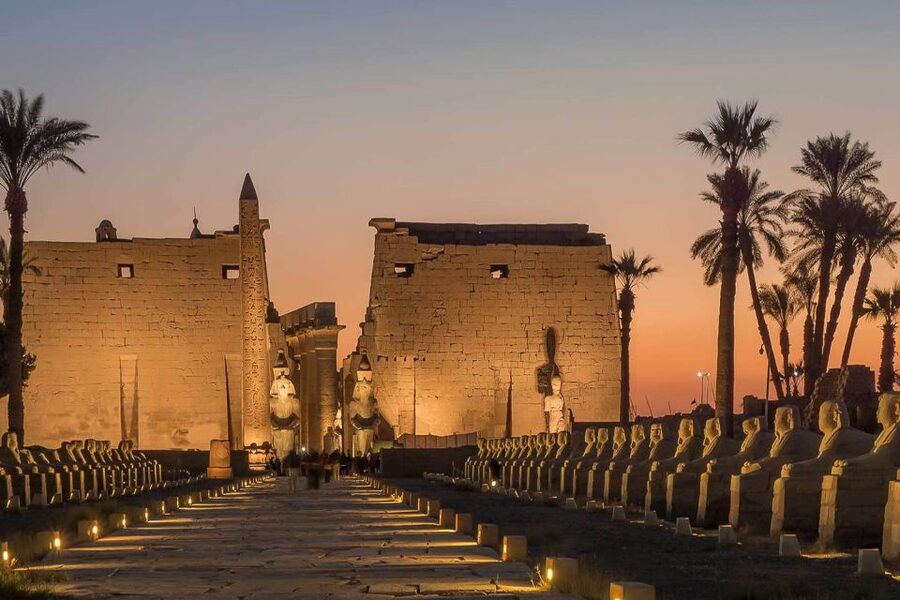
Lunch is included, and it matters because you are stacking ancient sites with limited downtime. In many cases, the restaurant is chosen well, and more than one traveler noted they got delicious food, sometimes with a rooftop vibe.
A practical strategy: eat like you are fueling, not sightseeing. Drink some water before you start walking again, and keep expectations realistic. By the time you hit Karnak, you will be tired if you skip hydration or under-eat.
If you have dietary needs, the data does not list specific options. So I suggest asking in advance when you contact the operator, and have a backup plan mentally.
The evening return flight to Cairo, late departures and hotel time
After Luxor Temple and Karnak, you transfer back to the domestic airport for the flight to Cairo. The official duration is listed as 10 hours, but in the real world your actual day can stretch based on flight times.
That is why the late-flight contingency matters. Some travelers describe being offered a hotel room to rest if the return flight is delayed, rather than being stuck waiting for hours in an airport lounge. If your flight lands you at Cairo late, this kind of buffer can be the difference between surviving the trip and feeling miserable.
Private guide quality: why the best days feel human
This tour is private, which sounds obvious until you experience how it affects the day. With a private guide, you can ask questions, and the guide can adjust pace based on your energy level.
Names that show up repeatedly in recent accounts include Ahmed, Ayman, Shereen, Adel, Sam, Mohammed, and Aysman, along with representatives like Ali for meeting and handoff. Across these guides, a consistent theme is that they steer you to avoid crowds when timing allows and explain symbolism in a way that helps you see what you are actually looking at.
You can also benefit from their local rhythm. For example, one traveler shared that when there was extra time, the guide helped arrange a sunset felucca ride. That is not guaranteed, but it is a good example of what you can do when you have a guide who knows how to use gaps in the schedule.
Is this tour good value for $370 per person?
It can be, if you compare apples to apples. The price includes:
- Flight tickets Cairo to Luxor and back
- Private air-conditioned vehicle transfers on both sides
- Entrance fees
- A live guide
- Lunch
- Bottle of water
If you tried to DIY this, the hard parts would be flights, airport transfers, tomb access logistics, and a guide who can make Karnak meaningful. That is where the money goes. You are paying to buy time, reduce risk, and avoid the awkward parts of hunting down reliable transport at very early hours.
You should still be honest with yourself about the trade-off. This is not a relaxed weeknight museum crawl. It is a long, structured day starting in the dark.
Who should book this Luxor by-plane day and who should skip it
This is a strong fit if:
- You are based in Cairo and want Luxor as a day trip without an overnight
- You want a guide to connect the sites into one coherent story
- You prefer private driving and a set route over managing taxis between major monuments
- You like seeing multiple “big names” in one shot, without cutting corners on guidance
You may want to skip it if:
- You hate very early starts
- You are sensitive to long days with limited downtime
- You strongly prefer unstructured time at each monument
- You need a very predictable schedule regardless of flight delays
The operator also lists that the tour is not suitable for people over 95 years.
Quick tips to get the most from the day
- Start hydrated. You’ll begin in the early morning, then spend the day outside.
- Wear shoes you trust. Stone paths and temple steps do not care about your fashion choices.
- Keep your questions for your guide. This tour is at its best when you ask why the monuments look the way they do.
- If your flight back is late, ask what your options are for resting time so you are not stuck waiting in the wrong place.
Should you book this private Cairo to Luxor by plane tour?
If you want Luxor in one day and you like the idea of arriving, meeting your guide, and walking straight into Valley of the Kings and Karnak, I think this is an excellent way to spend your time. The price feels fair because it includes the flights, the transport, and the guide, not just a basic sightseeing list.
Book it if you can handle a very early pickup and you’re okay with the day being full. Skip it only if you need long breaks built in, or you cannot manage the stress of airport timing. If you do book, aim to choose the tour language that matches you best, so you actually catch the meaning as you move from Valley of the Kings to Deir El Bahari to Karnak.
FAQ
What is the duration of the tour?
The tour is listed as 10 hours.
What time does pickup happen in Cairo?
Pickup starts early, typically around 3:30 am, depending on your selected pickup location.
What does the tour price include?
It includes private air-conditioned transfers, private transportation, entrance fees, flight tickets, a live tour guide, lunch, and a bottle of water.
Is this tour private and guided?
Yes. It is a private group tour with a live guide.
What languages are available for the guide?
The live tour guide is available in English, Spanish, German, and Arabic.
What identification do I need?
You need a passport or an ID card, and the operator requests passport details (a passport copy is accepted).
Reviewed most recently around Cairo
- Pyramids of Giza half-day tour★ 5.0 · 45 reviews
- Private Giza Pyramids & Sphinx Day Tour with Lunch from Cairo★ 4.5 · 45 reviews
- Private Tour to Old Coptic Cairo & the Cave Church of St. Simon.★ 5.0 · 45 reviews
- Overnight camping black and white desert.★ 5.0 · 45 reviews
- Private Day Tour To Luxor from Cairo by Plane,Tours,Sailing Felucca,Camel&Lunch★ 5.0 · 45 reviews
- Private Half Day Giza Pyramids Tour with camel & Lunch★ 5.0 · 46 reviews
- Private Tour to Giza Pyramids with 30 Minutes Camel Ride and Lunch★ 4.5 · 46 reviews
- Discover The Palaces of Cairo★ 5.0 · 46 reviews
Private, compared.

Pyramids & Great Sphinx Private Tour with Camel Ride
Read our review →
Cairo 8 Hour Private Tour of Pyramids, Egyptian Museum and Bazaar
Read our review →
Private ViP all-inclusive Giza Pyramids,Sphinx,Inside Pyramid
Read our review →
Private guided tour to Giza Pyramids, and Great Sphinx
Read our review →
Half Day Tour Giza Pyramids &Great Sphinx with Private Tour Guide
Read our review →
Private tour to Giza Pyramids,Sphinx,Egyptian Museum with Local Lunch
Read our review →
Cairo Airport Private Arrival/Departure Transfer to any address/hotel in Cairo
Read our review →