
Reviewed · NILE CRUISES
Historia Hotel Nile Cruise, Mon. from Luxor 4 nts inc. Excursions
What makes this Egypt trip interesting is the mix of modern boutique comfort with a packed run of must-see temple sights along the Nile. I really like that you get full-board meals and admission tickets folded into the price, so the day trip logistics feel simpler. One thing to think about: the total cost is steep, and at least one review flagged internet reliability as a weak point onboard.
The other big draw is the human touch. The cruise staff and Egyptologists get praised again and again for warm service, and you may even run into guides like Mohammed, who impressed with Spanish-speaking skills in one account. The only potential snag is that the included excursions are described as sharing the Nile cruise group, so you are not signing up for total private freedom every minute.
Key highlights to know before you go
- Modern, very clean boutique ship vibe with spacious rooms and a comfortable feel from morning to night
- Chef Mahmoud and the kitchen team earn repeated praise for food quality, variety, and special handling for dietary needs
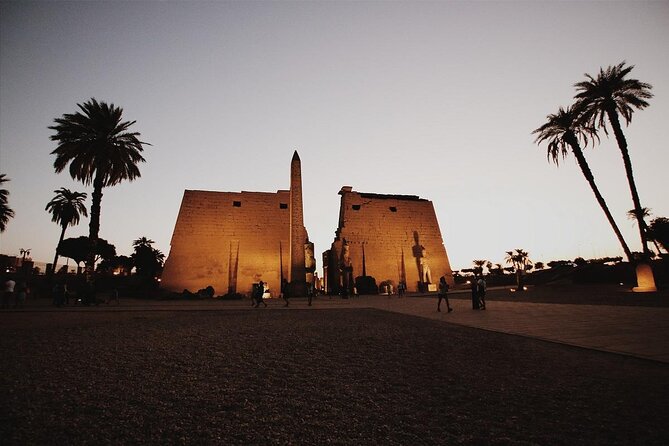
- Big-name temples, efficiently grouped by day so you hit Karnak and Luxor on the first East Bank run
- West Bank power hits with the Valley of the Kings and Hatshepsut’s temple set under dramatic cliffs
- Aswan stops that go beyond the postcard including Philae and the Unfinished Obelisk quarry
- Internet may be frustrating if you plan to rely on it, plus transport to and from the cruise is partly on you
Luxor to Aswan on a modern boutique ship, with temples lined up
This is a 4-night Nile cruise running from Luxor to Aswan, built around two banks of Egypt’s ancient world. Your days are structured around temple highlights that sit on the East Bank (Karnak and Luxor Temple) and the West Bank (Valley of the Kings and Hatshepsut), then continue through classic river stops like Kom Ombo and Edfu before finishing in Aswan.
From a value perspective, the most useful thing here is that your cruise days are not just sightseeing. You also get meals (breakfast, lunch, dinner) on a full-board basis, and the itinerary lists admission tickets included for the major sites. When people feel “pampered” on these cruises, it is often because basic needs are handled, and this one is designed that way.
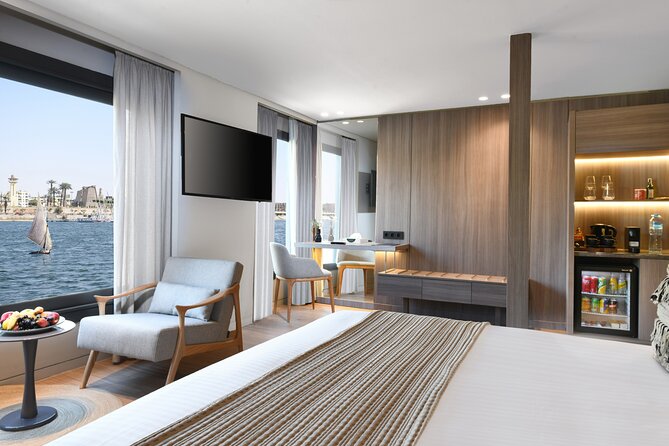
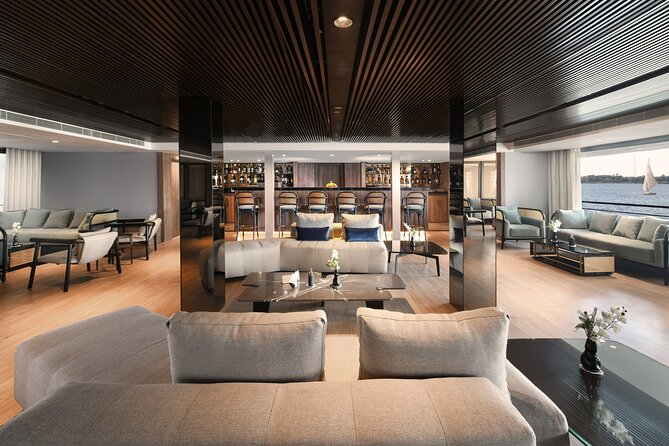
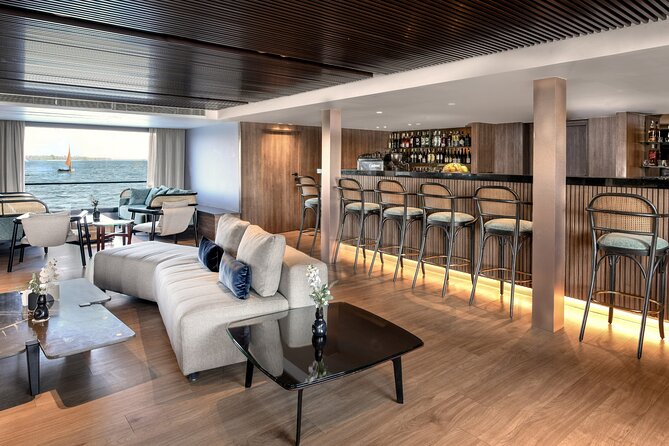
The boutique part matters too. Reviews describe the Historia as brand new or modern-feeling, very clean, and comfortable, with a top deck where you can enjoy Nile views. That means your downtime between excursions actually feels like a break, not just time spent waiting for the next bus.
More Nile Cruises in Luxor
- From Luxor: 3-Night Nile Cruise to Aswan and Hot Air Balloon
★ 3.7 · 297 reviews - 5 Days Private Guided Nile River Cruise Tour from Luxor to Aswan
★ 5.0 · 229 reviews - From Luxor: 5-Day Nile Cruise to Aswan with Balloon Ride
★ 4.2 · 168 reviews
Getting on board Historia: rooms, views, and what comfort really means here
Check-in starts in Luxor at Luxor Airport with a start time listed as 12:00 pm. Your cruise ends in Aswan at the Nile Cornish Street cruise port area, and the end point address also points to a café near there, so expect the last part to be straightforward but local.
What I’d focus on for your decision is how the ship is described by multiple reviewers:
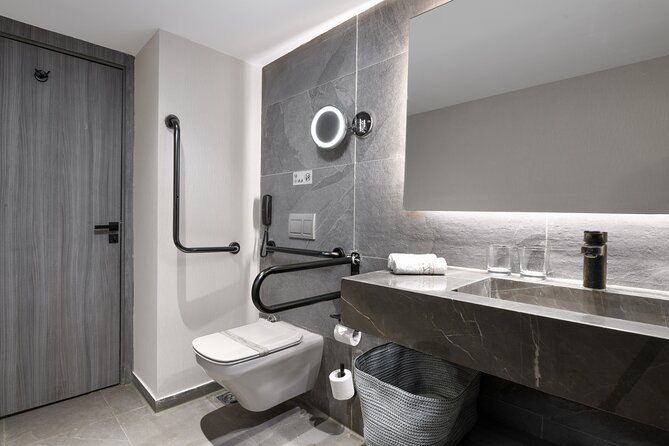
- Rooms are called spacious and modern, with strong attention to cleanliness
- Showers are repeatedly described as having strong water pressure
- A top deck exists for relaxing and viewing the river
Those details may sound minor, but on a temple-heavy trip, you will care. You will likely come back hot, dusty, and tired, then want a bathroom that feels functional and a cabin that feels restful.
One practical caveat: the cruise internet situation can be patchy. One review mentioned that connectivity felt unreliable, and another note warned about using WhatsApp because of security concerns. If you need constant messaging for work or family back home, plan for disappointment or use offline options.
Day 1 in Luxor: Karnak and Luxor Temple without wasting daylight
Day 1 is built around two of the biggest East Bank hits, each listed for about two hours with admission included.
Temple of Karnak is the larger religious complex, often described as the largest religious building from ancient times dedicated to Amun, Nut, and Khonsu. The area was called Ipet-isut, meaning The Most Selected Places, and it tied into worship at the center of the 18th Dynasty Theban Triad. The practical takeaway: Karnak is not a quick stop. Give it time, let the scale sink in, and don’t try to force it into one photo spree.
Next comes Luxor Temple, constructed around 1400 BC. Unlike many temples dedicated to a god or king, it is linked to rejuvenation of kingship, and historians often connect it with the setting where kings were crowned, with Alexander the Great mentioned in the tour description. If Karnak feels like a maze of monumental pieces, Luxor Temple can feel like the more readable “story” side of the day.
A nice thing about how this day is planned is pacing. You start strong on Karnak, then you still have energy left for Luxor Temple, rather than cramming everything into one exhausting block.
Day 2 on the West Bank: Valley of the Kings and Hatshepsut’s cliffside majesty
Day 2 switches to the West Bank, where the mood changes fast. This is where you trade wide open temple courts for tomb landscapes and cliff-backed architecture.
First, Valley of the Kings is described as a major burial site where dozens of tombs have been discovered, with 63 unearthed to date in the tour notes. You’ll also hear names like Ramses II, Tutankhamen, and Seti I connected to the valley. The UNESCO World Heritage detail matters because it explains why the site is protected and managed the way it is, and why conditions and access can feel more controlled than modern attractions.
Then you move to Temple of Hatshepsut, also known as Djeser-Djeseru, at Deir el-Bahari. Hatshepsut’s temple is built under the cliffs next to the Mortuary Temple of Mentuhotep, and the tour highlights the relief story tied to the divine birth of a female pharaoh. This stop can be emotionally satisfying if you like seeing how propaganda and devotion were fused into stone.
The main consideration on this day is mental load. Valley of the Kings plus Hatshepsut is a lot of ancient Egypt in one go. If you are sensitive to heavy walking, you’ll want to pace yourself and take brief breaks during the transitions.
More Nile cruises:
- 4 Days Aswan and Luxor Nile cruise&Abu Simbel by plane from Cairo
★ 5.0 · 155 reviews - 4 Nights Luxor to Aswan Nile cruise with Abu Simbel&Air Balloon
★ 5.0 · 155 reviews - From Luxor: 3-Day Nile Cruise to Aswan with Private Guide
★ 4.2 · 147 reviews - Luxury 5 Days Nile River Cruise from Luxor to Aswan with Private Tour Guide
★ 5.0 · 114 reviews
Day 3 from Kom Ombo to Edfu: a double temple with crocodiles and falcons
Day 3 is split between two temple stops, both about two hours with admission included.
Temple of Kom Ombo is famous because it is a double temple built in the Ptolemaic dynasty, with duplicated halls, rooms, courts, and sanctuaries on a symmetrical axis. The tour notes the southern half dedicated to Sobek, the crocodile god, and the northern half dedicated to Horoeris (Horus the elder). If you like temples with a clear “two sides” structure, this one makes sense quickly.
Then you head to Temple of Horus in Edfu, often considered one of the best-preserved ancient temples of the region. The tour description dates its construction to between 237 BC and 57 BC and points to sandstone blocks. You also get the promise of excellent inscriptions that reveal insights into myth, religion, and language, which is where a good guide helps you connect the carvings to what you are actually looking at.
The value of including both Kom Ombo and Edfu on the same day is that they complement each other. You go from a specialized double-design temple to a more focused, well-preserved Horus temple with wall texts that are easier to track with interpretation.
Day 4 in Aswan: Philae area details and the Unfinished Obelisk quarry
Day 4 keeps the focus on Aswan’s story. It is not just “another temple day,” because the Unfinished Obelisk gives you a rare look at process, not just final monuments.
First is Temple of Philae. The tour notes dimensions for the area, with Elephantine Island mentioned as downstream of the First Cataract. It also includes the meaning of Elephantine as both elephant and ivory, connected to trading ivory. Even if you do not spend time on Elephantine itself, these details help you understand why this area mattered commercially, not only spiritually.
Then comes the standout for many history fans: the Unfinished Obelisk. The tour description explains it was abandoned in an Aswan stone quarry when cracks appeared in the granite after carving began. It also gives the scale: the obelisk would have been about one-third bigger than typical ancient obelisks, with an estimated weight around 1,090 tons and a projected height of nearly 42 meters. That is the kind of fact that makes you look at stone differently. You are seeing a workshop and a setback, not just a finished trophy.
If you prefer your sightseeing to be more about viewing than imagining technical work, this could still work well. It is visually big, and the “unfinished” angle gives you an easy theme to remember after the day ends.
Day 5 in Aswan: views, then check-out
Day 5 is lighter by design. You start with Aswan, listed as enjoying spectacular views before checking out, with two hours and admission marked as free.
This is your buffer day. It is where you can slow down after several full temple days and decide what to linger on if you are still hungry for photos or river time. After that, you end in Aswan at the cruise port area on Nile Corniche Street.
Price and value: why the $3,498 per person price can make sense
The price listed is $3,498 per person for the roughly 5-day experience (4 nights), and that is the sort of number that deserves a reality check. Here is the value logic that matches the inclusions:
Included items that reduce your own expenses:
- All fees and taxes
- Sightseeing fees
- All Nile cruise excursions as listed
- Accommodation on a full-board basis
- Meals: 4 breakfasts, 4 dinners, 4 lunches
- Admission tickets for the sites on the itinerary
Not included:
- Transportation fees from and to Historia Nile Cruise
So your money is not just buying a bed on the river. You are also paying for organized site access and the admin that usually turns Egypt trips into a spreadsheet project. For people who want to focus on seeing, and not scheduling, this can feel reasonable even if it is not cheap.
One extra nuance: the overview mentions private car and an in-person guide if you book the sightseeing package with them. At the same time, the itinerary states the cruise excursions are shared with the Nile cruise group. Translation: included touring likely has group structure, but upgrades or add-ons may be available for more personal attention.
What the guides and staff can do for your experience
A cruise lives and dies on people, and the best praise here is human. Multiple reviews praise the staff for going above and beyond, with mentions of specific roles and names.
You’ll see names like:
- Executive chef Mahmoud for outstanding food
- Guide Mohammed, noted for speaking Spanish clearly
- Staff member Khaled for warm, welcoming service
- Hussein El Omada for exceeding expectations
- Zidane, Saber, and Tarek mentioned by name in positive accounts
This matters because temple visits can become blank-looking if you only get a basic description. When guides are strong, you understand what you are seeing, and even the carvings become something you can read with your eyes.
Food is another huge factor in the ratings. Reviews describe meals as delicious, well presented, and varied, with at least one mention of an extraordinary Egyptian buffet and another noting the cruise handled food restrictions carefully without lowering quality. If you want your trip to feel indulgent, this is where it shows.
Who should book this Historia Nile Cruise, and who might want a different plan
This cruise fits best if you:
- Want modern comfort and clean, spacious rooms rather than a rough, old-school boat vibe
- Like a guided tour format where you show up, get the story, and then move on
- Value included meals and admission tickets to reduce day-by-day decisions
- Travel as a couple or family, since reviews mention kids being made happy and a bonding trip vibe
You might think twice if you:
- Need dependable onboard internet for communication
- Expect fully private sightseeing with no shared-group feel, since the excursions are described as part of the cruise group
- Are extremely budget-sensitive, since the price is high compared to bare-bones cruises
Should you book Historia from Luxor?
If you want a temple-focused Nile cruise that still feels comfortable and well managed, I’d say this is a strong match. The inclusions are substantial, and the repeated praise for food quality and staff attention suggests you’re paying for execution, not just marketing.
My practical advice: compare this cruise’s all-in nature against what you would pay if you had to book hotels, admissions, meals, and guiding separately. If the idea of planning all that makes you tired, the Historia format is built to solve that problem.
On the other hand, if your top priority is freedom and you plan to rely heavily on internet onboard, you may feel constrained. In that case, choose a plan that gives more independent time, or arrange offline communication in advance.
FAQ
Where does this cruise start and end?
It starts in Luxor, with the meeting point listed as Luxor Airport. It ends in Aswan at the Nile Cornish Street cruise port area in Aswan city.
What time does the tour start?
The listed start time is 12:00 pm.
How long is the experience?
The schedule is shown as 5 days approximately, with the description indicating 4 nights.
What does the price include?
Included items are all fees and taxes, sightseeing fees, personnel assistance, transfers by modern air-conditioned deluxe vehicle, full-board accommodation, and meals listed as 4 breakfasts, 4 dinners, and 4 lunches. Admission tickets are included for the listed sites on the itinerary.
What excursions are included?
The itinerary includes guided sightseeing stops at major temples such as Karnak, Luxor Temple, the Valley of the Kings, Hatshepsut’s Temple, Kom Ombo, Edfu’s Horus Temple, Philae, and the Unfinished Obelisk, plus time for Aswan views.
Are the excursions private?
The itinerary states that the Nile cruise excursions are shared with the Nile cruise group. The overview also mentions private car and an in-person guide if you book the sightseeing package with them.
Is transportation to and from the cruise included?
Transportation fees from and to Historia Nile Cruise are listed as not included.
How many travelers can be in a booking?
The activity listing states a maximum of 2 travelers.
What if the weather is poor or the minimum number of travelers is not met?
The experience requires good weather. If it is canceled due to poor weather, you will be offered a different date or a full refund. It also requires a minimum number of travelers, and if that minimum is not met, you will be offered a different date or experience, or a full refund.
Is the ticket mobile-based?
Yes, the experience notes a mobile ticket is used.
Reviewed most recently around Luxor
- Private Full Day Tour of Luxor West and East Bank Tombs & Temples★ 5.0 · 45 reviews
- Luxor Private Transfer To Hurghada With visit Dendera Temple★ 4.5 · 45 reviews
- FULL Day Tour:Valley of the Kings &Queens &Hatshepsut Temple&more★ 5.0 · 46 reviews
- Private Sailing Traditional Egyptian Boat in Luxor★ 5.0 · 46 reviews
- Dendara and Abydos Temples Day Tour from Luxor★ 5.0 · 46 reviews
- Private Full-Day Luxor Tour to East and West Banks★ 5.0 · 47 reviews
- Private Full-Day Tour to West and East Banks of Luxor★ 5.0 · 48 reviews
- Private Tour: Luxor East and West Banks Full Day Tour★ 5.0 · 49 reviews
Nile Cruises, compared.
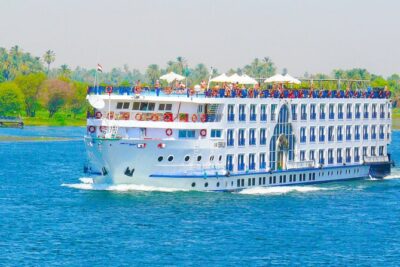
4-Days Nile Cruise From Aswan To Luxor including Abu Simbel and Hot Air Balloon
Read our review →
4-Day 3-Night Nile Cruise from Aswan to Luxor&Abu Simbel+Balloon
Read our review →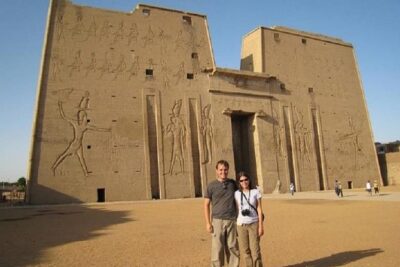
4-Day 3-Night Nile Cruise from Aswan to Luxor including Abu Simbel, Air Balloon
Read our review →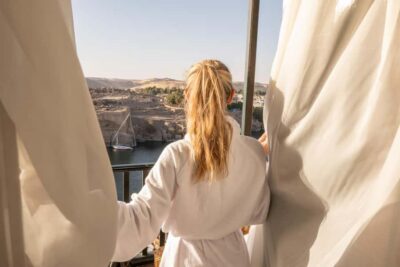
4-Day Nile Cruise from Aswan to Luxor with Guide
Read our review →4-Days Nile Cruise From Aswan To Luxor including Abu Simbel and Hot Air Balloon
Read our review →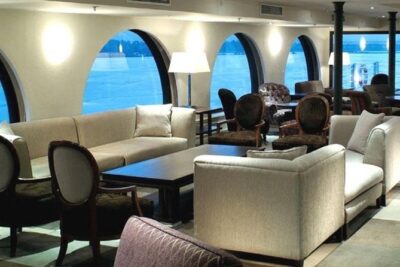
4-Day 3-Night Nile Cruise from Aswan to Luxor – Private Tour
Read our review →4 Days Nile Cruise from Aswan to Luxor including Abu Simbel and Hot Air Balloon
Read our review →
4-Day 3-Night Nile Cruise from Aswan to Luxor With Balloon and Abu Simbel
Read our review →Browse the lists this tour appears in