
This is an Egypt trip that mixes big-name sites with real motion. You travel down the Nile on a 5-star cruise, but you also get a hot air balloon flight over Luxor early enough to feel like you have the sky to yourself. Add an early Abu Simbel morning, and the whole thing stays exciting instead of turning into a slow boat shuffle.
I love the guided pace. An Egyptologist helps you make sense of what you’re seeing, from Howard Carter’s story on the west bank to the temple “why” behind the walls. I also like that transfers are handled by air-conditioned coach and organized boat crossings, so you spend less time hunting taxis and more time looking up at carvings.
One thing to plan for: it is not truly all-in. Temple entrance fees and other meals are at your expense, and tipping is recommended. If you expect one set price to cover everything once you arrive, you’ll want to budget cash in advance.
Key highlights and what they mean for you
- Hot air balloon over Luxor for wide views of monuments from above, not just temple hallways.
- Howard Carter House and west bank temples that set the stage for the Valley of the Kings beyond the postcard version.
- Karnak and Luxor Temple with an Egyptologist so the scale and symbolism actually click.
- Kom Ombo at sunset gives you a calmer moment between busy temple days.
- Abu Simbel at around 5 am avoids the worst crowds and heat, and it is the day you remember.
- Meals included on board help your budget, but drinks and extra meals may cost more.
Luxor West Bank Morning: Carter House, Valley of the Kings, and Hatshepsut
Your first day is built around the west bank, where Luxor shifts from city life into archaeology land. You start with pickup and head down to the Nile for a motor boat crossing. That short ride matters. It turns the day into a “you are really traveling” feeling instead of just bouncing from one van stop to another.
Once you land on the west bank, the tour focuses on the story behind the sites. You visit the Valley of the Kings area, then continue by drive toward the Queen Hatshepsut Temple. The version you see here is tied to her legend, and you’ll hear details that put her into human scale, not just as a carved name on a wall. One of the most memorable parts is how the guide connects the location to the people who lived and worked around these monuments.
Then comes Howard Carter House. This is not just a building you walk through. It’s the archaeologist’s life setting, with context for how digs and discoveries happened. There’s also a striking retelling tied to Carter looking through a small opening toward Tutankhamun’s tomb before it opened. It gives you a mental picture of patience, risk, and obsession, all in one go.
If you like history that has a human face, this is where the trip wins early. You’ll feel more grounded for the rest of the journey, because you are not only seeing what ancient Egyptians built, you are seeing how modern Egyptology uncovered it.
Possible drawback: it is a packed day. Between boat time, drives, and temple visits, you’ll want comfortable shoes and a water plan. The tour does include meals later, but mornings can still feel intense.
More Hot Air Balloon Rides in Luxor
- Hot Air Balloon Ride in Luxor Egypt with Transfers Included
★ 5.0 · 4,319 reviews - Luxor: Hot Air Balloon Ride over Luxor Relics
★ 4.8 · 1,681 reviews - Luxor: Morning Hot Air Balloon Ride
★ 4.4 · 736 reviews
Daytime Views from Above: Hot Air Balloon Over Luxor Then Karnak and Luxor Temple
The next morning is the “wow” moment, and it’s scheduled early for a reason. You get picked up and taken by motor boat toward the launch area for the balloon over Luxor’s ancient monuments. When you rise, the biggest surprise is scale. The temples stop looking like stand-alone structures and start looking like a system, set into a wider story across the river.
A balloon flight changes how you understand Luxor. From above, you notice the spacing, the alignments, and how the east bank temple zones relate to the west bank. You also see the Nile as the geographic anchor. It’s a different kind of lesson than standing on stone, and it’s the kind you can’t fully reproduce with photos.
After the balloon, you move directly into temple time. You visit Karnak Temple Complex, described in the program as the biggest temple in its class. Karnak is massive, and it can overwhelm you if you’re just wandering. With an Egyptology guide, you get a path through the complexity so you know what to look for, and why certain halls feel different from others.
You also visit Luxor Temple. That contrast helps. Karnak is the labyrinth of grandeur. Luxor Temple feels more focused and lets you connect the dots across the river.
If you get motion sick easily, balloon rides can be tricky anywhere. Consider this if you are sensitive to altitude or sudden drafts. Also, the balloon depends on weather, and you should be ready for the reality of that in Egypt.
Cruise Energy Shift: Sailing Past Esna to Edfu, Plus an Edfu Temple Stop
After the big Luxor day, the trip slows just enough to feel like a cruise. You tour, then the cruise starts sailing and you pass Esna lock. Watching that kind of river infrastructure is oddly soothing. It’s not ancient. It’s modern life sliding around the ancient sites you’ve been chasing.
You spend the night in Edfu. This matters because it breaks up temple days so you’re not constantly scrambling between cities. Edfu is also one of the stops where the Nile routine feels complete, because you combine boat travel with a dedicated temple visit.
The next morning is about Edfu Temple, also called the Temple of Horus. You travel by traditional horse and carriage, then return to the cruise. This is a classic Egypt tour element, but it is also where I would be extra alert to animal welfare concerns.
One of the frustrations you’ll see in real-world feedback is that some horses can look tired and stressed. If that matters to you, ask early about alternatives. In at least some cases, riders were able to switch to a tuk tuk style option rather than riding the carriage. The key is to communicate before you’re already mounted, so you do not end up stuck.
The good news is that Edfu Temple rewards the effort. It’s a temple built for people who want to feel how old Egyptian religion structured everyday life.
Kom Ombo at Sunset: Temple Time by River Light, Then On to Aswan
On the cruise day that includes Kom Ombo, you get a classic “Nile in motion” feeling. You sail while watching islands and green areas along the river. It’s not just scenic filler. Those sections make the whole trip feel real, because Egypt here is not only stone. It’s people and farms on both sides.
You visit Kom Ombo Temple around sunset. That timing changes the vibe. Evening light softens details, and crowds tend to thin compared with midday temple hours. You get a break from the constant rush that can happen when everything is set to start at 9 a.m.
After the Kom Ombo visit, you sail toward Aswan and overnight on the cruise. In other words, the day transitions smoothly back into travel mode, so you can recharge before Abu Simbel.
The main “watch out” here is fatigue. By sunset, you may already feel temple-saturated. If you’re prone to museum overload, take a few minutes to sit on deck or in a quiet area before you go in. That small reset helps you absorb more once you are inside.
More ways to reach Abu Simbel:
- Luxor: Abu Simbel Temple Private Guided Day Trip with Lunch
★ 4.6 · 546 reviews - 4 Days Aswan and Luxor Nile cruise&Abu Simbel by plane from Cairo
★ 5.0 · 155 reviews - 4 Nights Luxor to Aswan Nile cruise with Abu Simbel&Air Balloon
★ 5.0 · 155 reviews - Luxor: Edfu, Kom Ombo, Abu Simbel Private Tour & Entry Fees
★ 4.2 · 112 reviews
Abu Simbel’s Early Start at Around 5 am, Then Philae and Aswan High Dam
The biggest set piece day is Abu Simbel. Around 5 am, you head out for the temples. This early start is not a gimmick. It’s about heat, light, and crowd control. Abu Simbel is worth it, and the timing helps you see it at a moment when it feels less like a lineup.
You get back around 1:30 pm and then transfer down to the Nile by motor boat to reach Philae Island Temple. That river crossing is another useful ritual. It puts you on the water right before you step into a temple that feels different from the earlier sites.
You also visit the famous Aswan High Dam. It gives you modern context for the Nile. Seeing the ancient river culture and then the infrastructure that controls water flow makes the whole trip feel more complete, not just like a tour of carved walls.
Then the service ends with transfers to Aswan airport, train station, or your hotel in Aswan.
Real talk drawback: Abu Simbel is a long day. If you are the type who likes slow travel and long lunches, this is where the schedule will test you. But if you only have limited time in Egypt, this is exactly the kind of early morning effort that pays off later when you compare trips.
Food, Cabins, and the On-Board Reality Check
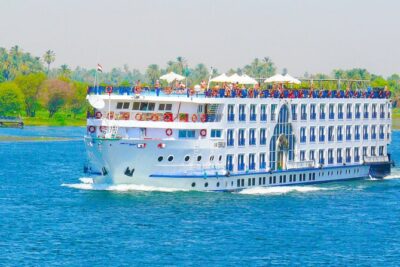
This package includes full-board on the cruise. Meals start with lunch and end with breakfast, and you get a cabin with facilities. There’s also enough on-board space for downtime. Some boats in this category include rooftop sunbeds and even a pool, which is handy for cooling off after temple hours.
What tends to work well is that meals are built around the rhythm of the tour. You’re not left hunting for food when you’re tired. That alone is value, especially in heat.
What you should not assume: drinks are often where extra spending can show up. Some feedback has flagged that water or beverages were not always included the way you might expect. Since the tour data says other meals are at your expense and entrance fees are separate, I recommend you budget for bottled water and simple drinks, just to stay comfortable.
Cabins can vary by exact ship and room category. Some feedback points out issues like older fittings, noise, or smells, which is a reminder that “5-star” in Egypt can mean different things depending on the boat. I’d go in expecting a clean, functional room but not expecting hotel-grade calm 24/7.
Price and Value Check: what $410 includes, and where costs pop up
At $410 per person, this is priced like a structured bundle. You get 3 nights on a 5-star cruise, meals from lunch through breakfast, guiding, and organized transfers. You also get the hot air balloon flight over Luxor, which is a major value driver in the whole package.
You are also not paying separately for all the moving parts. The tour includes motor boat crossings, horse and carriage, and a shared small-group visit for Abu Simbel with an English-speaking tour guide. Those inclusions matter when you compare to a DIY trip where every segment turns into a new negotiation.
But here’s the honest math. You still pay separately for temple entrance fees, and you’ll likely tip. Tipping is recommended, not included. That means the final trip cost can rise beyond the quoted price.
The best way to handle this is simple: set aside a “temples and extras” budget before you go. Also keep small bills for tipping. Even if the amounts are not huge, you can end up handing out tips multiple times in a day.
If you want to reduce surprise costs, this package helps on logistics, but it does not eliminate spending everywhere. You still need a cash buffer.
Transfers, Group Size, and Why Your Day Feels Busy (But Not Random)
This is a group tour with a maximum of 15 travelers. That size is big enough to feel social, but small enough that you’re not lost in a crowd of 60 people.
Transfers are a strong point. You get air-conditioned coach transport and organized pickups and assistance. That reduces a common Egypt frustration, the taxi scramble. It also makes it easier to keep the schedule moving, which matters because some stops depend on early mornings.
The day structure is also tight, almost like a greatest-hits playlist. You’ll move from boat to van to temple to cruise and repeat. Some people love this format because it squeezes more into fewer days. Others find it tiring. If you are the type who likes a lot of unplanned time, consider that this trip is not built for long blank space.
There’s also a balloon cancellation possibility if weather is bad. If that happens, you are refunded $25 per person. That does help, but it also means you might miss the single most visual part of the program. When balloon weather is uncertain, I treat the flight like a bonus you hope for, then try to enjoy the rest just as much.
Should You Book This Luxor to Aswan Cruise with Hot Air Balloon?
Book it if you want a high-impact Egypt sampler in a short window. The hot air balloon over Luxor is the kind of experience you will talk about later. Abu Simbel’s early start gives you a memory that feels special even if you’ve seen photos before. And having an Egyptologist guide keeps the temples from turning into just “stuff to look at.”
I would hesitate if you hate tight schedules, or if you are strongly uncomfortable with extra cash spending for temple tickets and tips. I would also think twice if animal welfare concerns would seriously sour your day, since horse and carriage is part of the program. If that worries you, talk with your guide early about alternatives.
If you fit the target audience, you’ll likely love how the trip blends river time with major monuments and finishes in Aswan ready for the next step of your Egypt adventure.
Reviewed most recently around Luxor
- Private Full Day Tour of Luxor West and East Bank Tombs & Temples★ 5.0 · 45 reviews
- Luxor Private Transfer To Hurghada With visit Dendera Temple★ 4.5 · 45 reviews
- FULL Day Tour:Valley of the Kings &Queens &Hatshepsut Temple&more★ 5.0 · 46 reviews
- Private Sailing Traditional Egyptian Boat in Luxor★ 5.0 · 46 reviews
- Dendara and Abydos Temples Day Tour from Luxor★ 5.0 · 46 reviews
- Private Full-Day Luxor Tour to East and West Banks★ 5.0 · 47 reviews
- Private Full-Day Tour to West and East Banks of Luxor★ 5.0 · 48 reviews
- Private Tour: Luxor East and West Banks Full Day Tour★ 5.0 · 49 reviews
Abu Simbel, compared.
4-Days Nile Cruise From Aswan To Luxor including Abu Simbel and Hot Air Balloon
Read our review →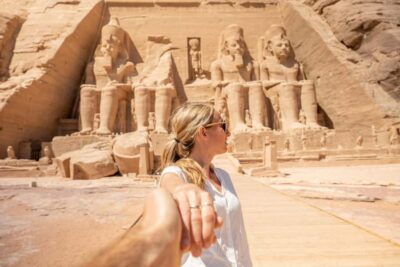
4-Day 3-Night Nile Cruise from Aswan to Luxor&Abu Simbel+Balloon
Read our review →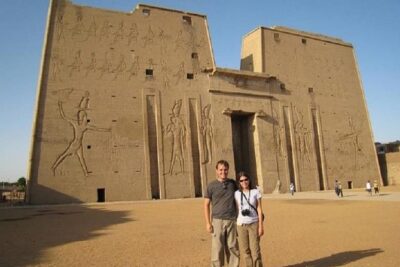
4-Day 3-Night Nile Cruise from Aswan to Luxor including Abu Simbel, Air Balloon
Read our review →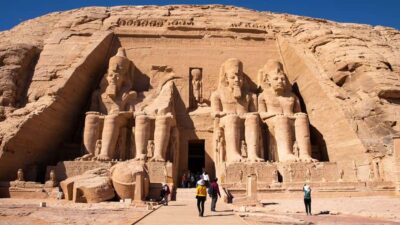
Abu Simbel Temple Private Guided Day Trip with Lunch
Read our review →4-Days Nile Cruise From Aswan To Luxor including Abu Simbel and Hot Air Balloon
Read our review →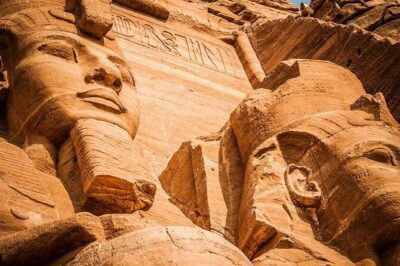
Private Day Tour to Abu Simbel Temples from Aswan
Read our review →4 Days Nile Cruise from Aswan to Luxor including Abu Simbel and Hot Air Balloon
Read our review →Browse the lists this tour appears in