
Reviewed · NILE CRUISES
Nile cruise from Luxor to Aswan
A Nile cruise from Luxor to Aswan is interesting because you see Egypt’s biggest monuments the way the river planned it, one stop after another. You get a day-to-day flow that turns travel time into sightseeing time, from Karnak’s massive layouts to Abu Simbel’s dramatic scale. I like that this is built around guided visits rather than just drifting between viewpoints.
Two things I really like: first, the schedule mixes world-famous sites with less-quoted stops, so you do not feel like you are only checking boxes. Second, you travel with a professional Egyptologist guide, and one reviewer even mentioned a guide named David, which is a strong sign the commentary is the main event, not an add-on.
One consideration is that the tour price does not include entrance fees for the sights, plus tipping and beverages are extra. So plan on spending more than just the headline cost, even though meals and transfers are handled.
Key Highlights Worth Your Attention
- Small group size (up to 10 travelers) makes it easier to ask questions and keep the pace comfortable
- Karnak and Luxor Temple on Day 1 puts you in the right mood early, with the East Bank and major Amun worship centers
- Valley of the Kings and Deir el Bahari (Hatshepsut) combine royal tomb drama with one of Egypt’s most recognizable temple silhouettes
- Kom Ombo stops for two-god temple storytelling with Sobek and Horus, then you continue by boat toward Aswan
- Aswan classics plus an Unfinished Obelisk gives you the full “power, faith, and engineering” picture in one day
- Abu Simbel trip is included, which is usually the hardest add-on to manage on your own
Price and What You Actually Get for $1,500 Per Person
At $1,500 per person for about 5 days, this cruise can feel pricey until you translate what’s included. You are paying for private transportation, a 4-night luxury cruise base, all onboard meals (breakfast, lunch, dinner), and expert commentary while you visit major sites along the Nile.
Here is how I think about value on this kind of trip: if you tried to recreate it yourself, you would spend plenty on transport, guides, and coordinated tickets across Luxor, Edfu area timing, Kom Ombo, and Aswan, then still need to solve lodging and day trips. In that sense, the money is buying structure and time savings. The “gotcha” is that entrance fees for all the sights are not included, so you should budget for tickets separately, along with tipping and any drinks.
Also, because the group cap is 10 travelers, the tour likely feels more controlled than the big-departure style. That matters on temple days, where you want a guide who can manage lines, timing, and questions without rushing you into a photo sprint.
More Nile Cruises in Luxor
- From Luxor: 3-Night Nile Cruise to Aswan and Hot Air Balloon
★ 3.7 · 297 reviews - 5 Days Private Guided Nile River Cruise Tour from Luxor to Aswan
★ 5.0 · 229 reviews - Historia Hotel Nile Cruise, Mon. from Luxor 4 nts inc. Excursions
★ 5.0 · 185 reviews
First Day on the Nile: Karnak Temple and Luxor Temple Without Wasted Motion
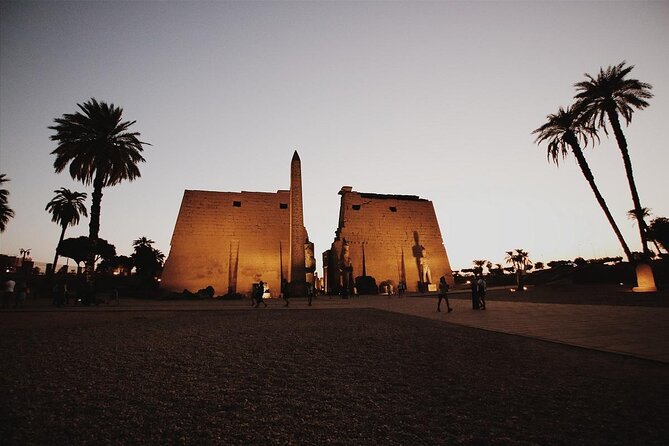
Day 1 starts with two heavy hitters that frame the whole trip: Karnak Temple and the Luxor Temple. You begin after lunch with the East Bank and dive into Amun Ra’s world.
Karnak is the big one. It covers about 17 hectares and is dedicated to god Amon Ra. Even if you have seen photos, nothing prepares you for how sprawling and layered it feels. Your guide commentary is important here, because Karnak’s power comes from repetition, symbolism, and how different pharaohs added their own statements over time. Without context, it can feel like “more columns” and “more walls.” With context, it starts to read like an official history written in stone.
Then you shift to Luxor Temple, described as the southern House of god Amon. It is dedicated to Amon, his consort Mut, and their son Khonsu. Luxor Temple is smaller than Karnak, but it is more focused, which helps you reset your eyes after Karnak’s scale.
Practical drawback: these are major sites, and you may notice you are learning fast and walking a lot. Wear comfortable shoes and keep water handy. Entrance tickets are not included, so you will want to be ready for that cost early.
Day 2 Royal Tombs to Hatshepsut: Valley of the Kings, Deir el Bahari, Medinat Habu, and Colossi of Memnon
Day 2 is the kind of day that either feels perfect or slightly exhausting, depending on your pace. The good news is that the stops are spaced to create variety. You move from royal tomb landscape to temple grandeur to monumental statues.
You begin with the Valley of the Kings, the pharaoh cemetery during the new kingdom of the 18th, 19th, and 20th dynasties. If you only see Valley of the Kings from afar, you will miss the core idea: it is not just graves, it is a whole worldview of kingship, afterlife beliefs, and elaborate protection through art and architecture. A guide’s commentary matters here because the names and purposes can blur if you are not coached.
Next comes the Temple of Hatshepsut at Deir el Bahari. This is one of Egypt’s famous wonders, built by Queen Hatshepsut of the 18th Dynasty. Hatshepsut’s story is built into the temple itself, and it plays well after Valley of the Kings because you are moving from the idea of royal eternity into the idea of royal legitimacy and legacy.
Then you visit Temple of Medinat Habu. It is described as stunning, and that word matters here because this stop is often not the first one people pick. It gives you a different feel, more textured than the headline sites, and helps break up the day so you do not burn out on the same style of monument.
After lunch you head to the Colossi of Memnon, two massive stone statues of Pharaoh Amenhotep III. These are impressive in a simple way. You stand there and it hits you that the scale was never meant to be “reasonable.” It was meant to be power you could feel.
Sailing moment: after that, you move onward to Edfu via the water lock in Esna, while enjoying dinner onboard and watching river activity as you travel. This is a nice rhythm change, because it turns a long sightseeing day into something calmer, with the Nile doing the driving.
Day 3 Kom Ombo Temple: Two Gods, One Stop, and a Calm Overnight in Aswan
Day 3 is a classic mid-cruise reset. You have a long temple visit, then you continue sailing and end the day in Aswan.
First stop is the Temple of Kom Ombo, dedicated to Sobek, the crocodile god, and Horus, the falcon-headed god. The temple’s layout supports the idea that the river region had multiple centers of belief and symbolism at once. Your guide commentary helps you make sense of why two divine figures share a single sacred space. Even if you are not the type who memorizes names, you can still appreciate how the carvings and structure reflect the “dual meaning” theme.
You enjoy lunch and tea time onboard when you arrive, which is a practical break. It also helps you avoid the common mistake of turning every moment into a photo moment. Tea time gives you a chance to sit, refocus, and mentally prepare for Aswan’s later stops.
Overnight in Aswan is a smart pacing choice. It means you are not sprinting from Kom Ombo sights into a late-night travel scramble. You wake up with a full day ahead, which makes the Aswan portion feel more intentional.
More Nile cruises:
- From Luxor: 5-Day Nile Cruise to Aswan with Balloon Ride
★ 4.2 · 168 reviews - 4 Days Aswan and Luxor Nile cruise&Abu Simbel by plane from Cairo
★ 5.0 · 155 reviews - 4 Nights Luxor to Aswan Nile cruise with Abu Simbel&Air Balloon
★ 5.0 · 155 reviews - From Luxor: 3-Day Nile Cruise to Aswan with Private Guide
★ 4.2 · 147 reviews
Day 4 Aswan Power and Faith: High Dam, Philae, and the Unfinished Obelisk
Aswan is where the tour shifts from ancient tombs and temples to a more complete view of how Egypt used the Nile, not just worshipped it.
You start with the Aswan High Dam, a rockfill dam across the Nile. Visiting the High Dam is valuable because it anchors your understanding of what the river means today, including how it shapes water management and travel conditions. Even though this is not “ancient Egypt” in the same way, it is part of the modern story of the same river you just sailed.
Then you go to the Temple of Philae, described as an ancient pilgrimage center for the cult of Isis. This stop usually lands well because it ties together faith, ritual, and the dramatic way temples relate to water and geography. Again, commentary is key because sacred sites can feel repetitive until you understand the specific role they played.
Next is the Unfinished Obelisk, a granite quarry stop connected to a 42-meter-high unfinished obelisk. This is one of those stops that makes you slow down. You are not only seeing the result, you are seeing the process. It is a reminder that engineering and planning mattered as much as the final polished stone.
Practical consideration: this is one of the more concentrated “sit and stand and walk” days. If you get hot easily, plan your pace and take breaks where you can.
Day 5 Abu Simbel Temples: The Included Day Trip You Should Not Skip
Abu Simbel is included, and that is a big deal. It is one of those destinations that people plan around because it takes coordination. Having it folded into the tour saves you from timing problems, transport logistics, and the stress of lining up a day trip from Aswan on your own.
The trip runs about 2 hours for the visit time noted, and you should expect it to feel like a climax day. Abu Simbel’s power is visual and immediate, but the real value is getting the story framed by a guide, so you understand how the site relates to royal messaging and the broader Nile world. Even if you think you already know the basics, you will likely notice details you missed in photos.
Because entrance fees are not included, be ready with cash or card options where allowed. Also remember tips and beverages are extra, so factor that in if you want a drink after the long day.
Transfers, Group Size, and Onboard Comfort That Matters
This is the kind of cruise that lives or dies on logistics. Here, transfers are included, and the experience uses private transportation. That reduces the pain of matching schedules, and it matters even more when you are moving between Luxor and Aswan with multiple sight stops.
The meeting point is at Sofitel Winter Palace Luxor on Cornish El Nile Street. That is a real-world detail, and it helps because you can get oriented near a known landmark instead of hunting for a meeting “somewhere in town.”
Group size is capped at 10 travelers, which is usually your sweet spot for a tour like this. You get the benefit of expert guidance without the long delays that can happen with larger groups.
Onboard, the tour includes all meals during the cruise days: breakfast, lunch, and dinner. That is a huge convenience. You do not waste time searching for food between temple stops. You also avoid the common trap of spending your sightseeing energy on basic logistics.
Mobile ticket is offered and confirmation is received at booking. Those details sound small, but they reduce friction on travel days.
The Main Tradeoffs to Know Before You Commit
This tour is strongly built around major monuments, guide commentary, and a 4-night cruise base. That is the strength. The tradeoffs are predictable.
1) Entrance fees are not included. You should budget for tickets across multiple stops.
2) Beverages are not included, and tipping is not included. If you like to have drinks during meal time, plan for it.
3) The experience runs with a schedule driven by weather. Egypt is generally workable, but if conditions are poor, the day trip timing can shift. Build flexibility into your overall travel plan.
If you are sensitive to long days, Day 2 and Day 4 are the most demanding. Day 3 and Day 1 have lots of walking too, but the pacing is more balanced.
Who This Nile Cruise Suits Best
This is a strong fit if you want a guided, structured Luxor to Aswan experience, and you prefer having transportation and meal planning taken care of.
You will likely enjoy it most if you:
- want an Egyptologist guide to connect what you see at Karnak, the Valley of the Kings, and Philae
- like cruise travel that turns sailing into part of the day, not wasted time
- appreciate a small-group feel with a maximum of 10 people
It may not be your best match if you prefer fully independent travel with zero guide-led structure. This tour is designed for guided commentary, not self-directed wandering.
Should You Book This Luxor to Aswan Nile Cruise?
I’d book it if you want a well-timed route that connects Luxor, Edfu area travel, Kom Ombo, and Aswan with expert explanations and included meals. The included Abu Simbel day trip alone is often enough to justify choosing a packaged plan, since it is the most annoying part to coordinate on your own.
Book it with eyes open for entrance fees, tips, and drinks. And do yourself a favor: plan your walking pace for the big temple days, pack comfortable shoes, and treat the guide commentary as part of the attraction. If you do that, this cruise gives you more than scenery. It gives you a way to read Egypt’s monuments like a story, stop by stop.
FAQ
What is the duration of the Luxor to Aswan Nile cruise?
The experience is listed as 5 days (approx.), including 4 nights on a cruise.
Are transfers between Luxor and the cruise included?
Yes. Transfers to and from the cruise are included, with private transportation.
What meals are included during the cruise?
Breakfast (4), lunch (4), and dinner (4) are included onboard.
Are entrance tickets to the sights included?
No. Entrance fees to all sights mentioned in the itinerary are not included.
Is tipping included in the price?
No. Tipping is not included.
Is the Abu Simbel trip included?
Yes. The Abu Simbel Temples trip is included.
Where does the tour start?
It starts at Sofitel Winter Palace Luxor, 17 Cornish El Nile Street, Luxor City, Luxor.
How many people are in the group?
The maximum group size is 10 travelers.
Is free cancellation available?
Yes. You can cancel for a full refund up to 24 hours in advance of the experience’s start time.
Reviewed most recently around Luxor
- Camel or Horse ride on west bank★ 5.0 · 20 reviews
- Nefertari and King Tut’s Tombs, Hatshepsut and More in Luxor★ 4.5 · 20 reviews
- Private Day Tour of Luxor★ 5.0 · 20 reviews
- Private Transfer from Luxor to Marsa Alam or vice versa★ 5.0 · 20 reviews
- Private Transfer Luxor to Aswan★ 5.0 · 20 reviews
- 5 Days Nile Cruise from Luxor to Aswan with Hot Air Balloon★ 5.0 · 20 reviews
- Private Full Day Tour: Dendera & Abydos Temples from Luxor★ 5.0 · 20 reviews
- Full Day Luxor East and West Banks Tour With Lunch★ 5.0 · 20 reviews
Nile Cruises, compared.
4-Days Nile Cruise From Aswan To Luxor including Abu Simbel and Hot Air Balloon
Read our review →
4-Day 3-Night Nile Cruise from Aswan to Luxor&Abu Simbel+Balloon
Read our review →
4-Day 3-Night Nile Cruise from Aswan to Luxor including Abu Simbel, Air Balloon
Read our review →
4-Day Nile Cruise from Aswan to Luxor with Guide
Read our review →4-Days Nile Cruise From Aswan To Luxor including Abu Simbel and Hot Air Balloon
Read our review →
4-Day 3-Night Nile Cruise from Aswan to Luxor – Private Tour
Read our review →4 Days Nile Cruise from Aswan to Luxor including Abu Simbel and Hot Air Balloon
Read our review →
4-Day 3-Night Nile Cruise from Aswan to Luxor With Balloon and Abu Simbel
Read our review →Browse the lists this tour appears in