
Reviewed · SIWA OASIS
2 Nights 3 Days at Siwa Oases camp from Cairo
Siwa Oasis has that rare mix of true desert adventure and lived-in culture. You start with the Great Sand Sea energy, then cool off in mineral salt lakes and springs, and you end the day eating locally while the sky goes dark over camp. I love how the trip balances fun with real context, including Siwa’s historic sites and temple stories, and I love the way guides like Youssef and Mohamad can make the places feel human, not just photo stops. One drawback to think about: the Cairo to Siwa travel day is long, and if the vehicle AC is off (it happened to one group I spoke with), you may feel the heat or cold for hours.
If you’re deciding whether this is worth your time in Egypt, here’s my practical take. You’re paying for a full package: air-conditioned transport both ways, two nights built into the schedule, guided stops, entry tickets, and meals. The pace is active, with swimming and moving most of the time, so it’s best for people who like getting out of the car and into the moment.
Key points that make this Siwa trip special
- 4WD desert jeep time plus sandboarding, with sunset built into the route
- Cold Lake and Hot Spring swims, not just a view from the road
- Shali Fortress, Oracle Temple, Mountain of the Dead, and the Temple of Amun for context beyond the scenery
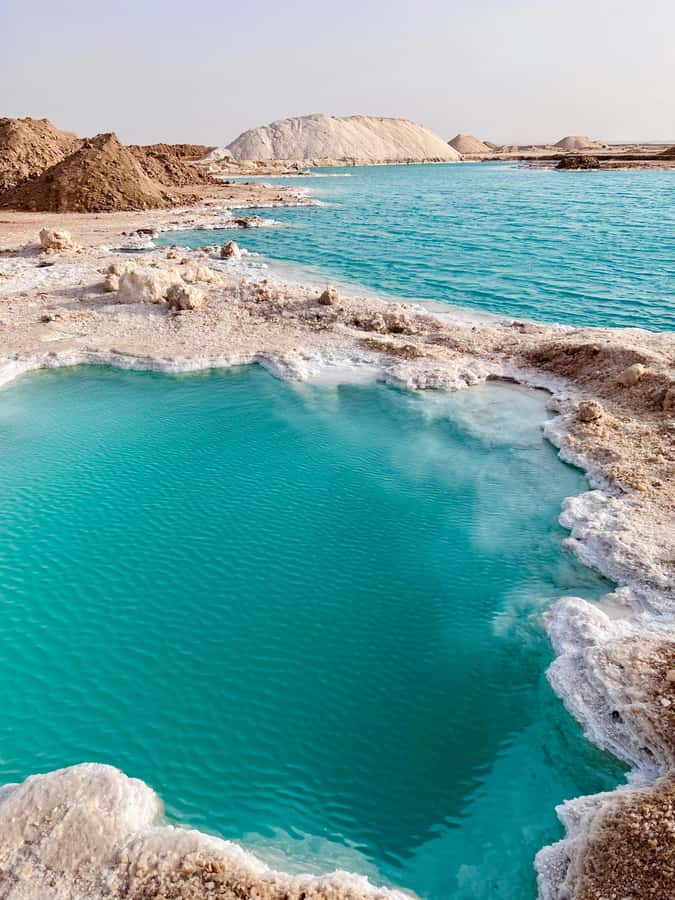
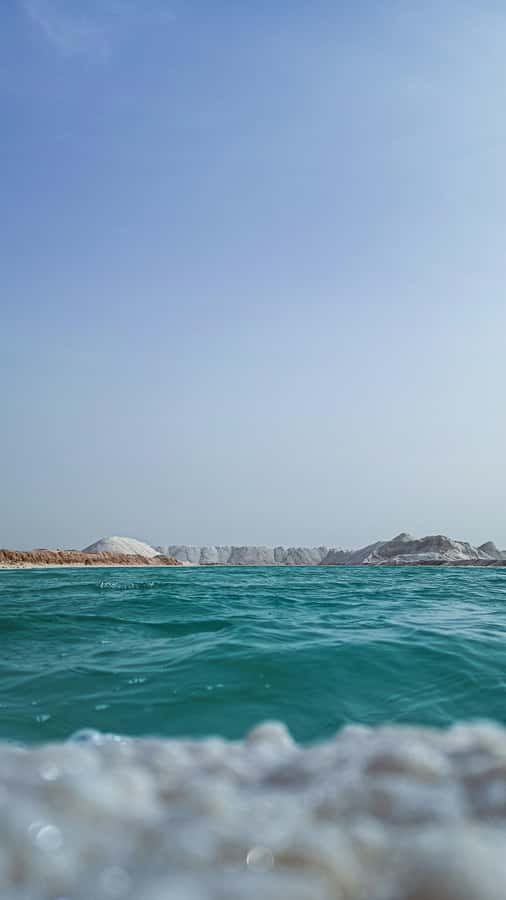
- Salt Lakes and Cleopatra Spring, including swimming stops you can actually plan around
- Dinner under the stars and camp activities, where the evening feels part of the experience, not an add-on
- Good value for the all-in structure, with guided sites, tickets, and meals included
Why Siwa Feels Like a Different World at the Edge of Egypt
Siwa sits in Egypt’s Matrouh Governorate, far from the usual circuit. The drive alone signals you’re leaving the familiar behind, then the oasis delivers something different: crumbling ancient spaces, warm desert air, and water you can swim in. It’s not just “pretty scenery.” It’s a place where desert and survival shaped the culture, and it shows in the buildings, the stories, and the route your day takes.
I especially like the way this itinerary is built around contrasts. You go from salt water to hot springs, from a fortress on a hill to lakes in a wide open area, from guided history stops to free time where you can wander at Siwa’s own pace. That mix matters because it keeps the days from feeling like a checklist.
You’ll also notice how often the schedule includes the “human stuff”: eating local food, visiting traditional Siwan houses, and taking breaks to see viewpoints like the sunset from Fitnas Island. Even the desert portion is structured for photos and movement, not just sitting in a jeep. If you want a trip that’s active but not chaotic, this is the kind of plan that works.
A small note on expectations: this is still a remote oasis trip. Accommodation quality can vary depending on the night setup, and one traveler flagged that a desert-camp-style stay can be more basic than what some people expect in Western hotels. Plan for comfort, but don’t assume every bed will feel like a resort.
More of Siwa:
- Siwa Oasis All inclusive 3 days Tour from Cairo or Giza
★ 5.0 · 310 reviews - Siwa Oasis Tour All inclusive 3 Days Experience from Cairo&Giza
★ 5.0 · 227 reviews - Cairo: 3-Day Siwa Oasis Tour, Safari, Camp & Historical Site
★ 4.9 · 80 reviews
Cairo to Siwa: The Long Drive That Sets the Tone (Around 8 Hours Each Way)
The day starts early. You’re picked up from your hotel lobby in the Cairo area, with pickup timed around 5 AM, and you travel to Siwa by van for about 8 hours. The schedule includes a lunch stop on the way at Marsa Matroh, then you reach Siwa around 3 PM.
This isn’t a quick getaway, and you should treat the travel time like part of the experience, not a penalty. One reason I like this setup is that it prevents the usual Egypt problem of arriving exhausted and skipping the best stuff. You reach Siwa while there’s still daylight, so you can go straight into your desert activities instead of waiting until tomorrow.
Transport details also matter. This tour includes air-conditioned transportation, and that’s a big deal for an 8-hour ride. Still, there can be maintenance issues, and one review mentioned an AC problem that made the ride cooler than expected. Bring layers for the car, and if you run hot, consider a light top you can keep on hand.
You also get a tour guide included, plus skip-the-line ticket handling at the sites listed. That means less time guessing where to stand and who to pay, more time moving with the group.
And yes, it’s far. So if your “Egypt days” include a lot of walking in cities, this may still feel like a lot. But it’s also a smart way to see a side of Egypt most people never slow down enough to understand.
Cold Lake, Hot Spring Camp, and Desert Jeep Fun Under the Stars
Day 1 is about arriving, switching gears, and letting Siwa’s water and desert do the heavy lifting. You start with a desert jeep safari and then move into the two big water stops that make Siwa famous: Cold Lake and Hot Spring.
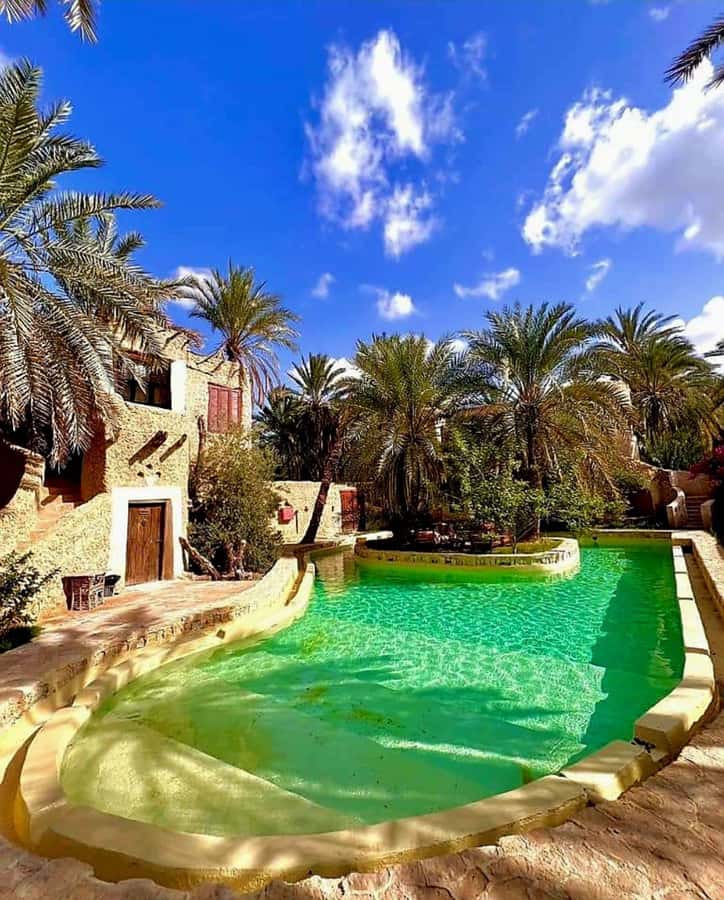
At Cold Lake you’re not just taking photos. The plan includes time for sightseeing and swimming. Then you go to the hot spring area, where the schedule again includes swimming time plus a photo stop. This is the kind of itinerary that makes sense for most people because you can actually plan your body around the activity, not just show up and hope you’ll find time.
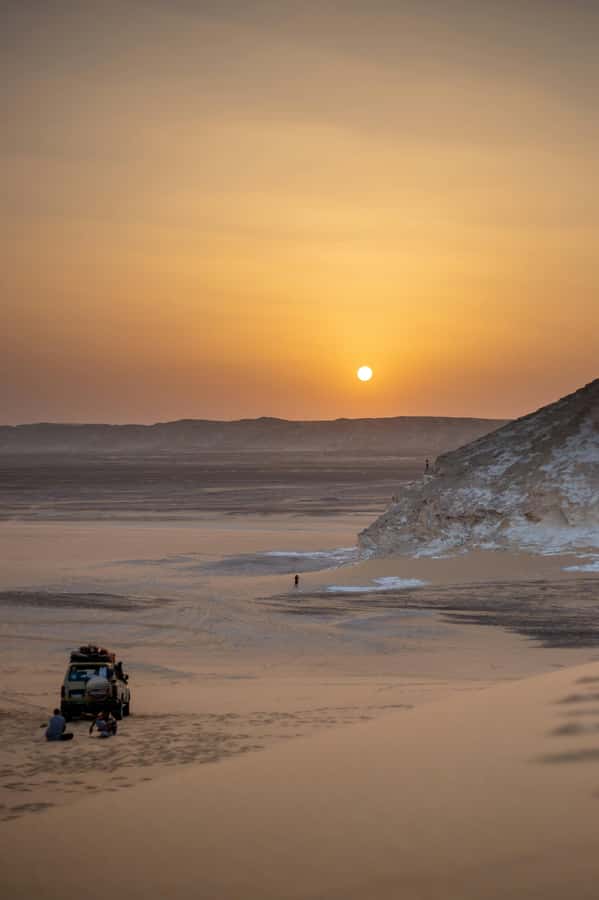
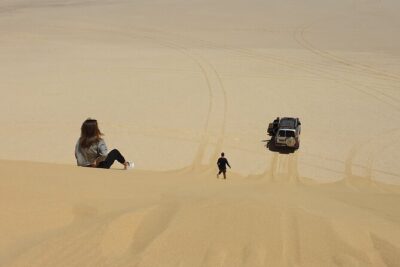
Sandboarding and sunset are also part of the first day. Sandboarding is listed for about an hour at Siwa Oasis, so you’ll have time to try it without turning the day into a full-time sport. Sunset is built into the schedule right after the breaks and activities, so you get the desert colors at the right hour.
Dinner comes later, under the stars, with camp activities tied to the overnight. This is one of the most praised parts of the trip because the evening feels special, not staged. A couple of reviews also mentioned tea under the stars, which is exactly the kind of small ritual that turns a remote camp into a memory.
Here’s what to pack mentally for Day 1. You’ll want sunglasses, swimwear, and a towel, because the water stops are real swim opportunities. You’ll also want to accept that it’s a “get moving” day. The schedule is tight enough that you won’t have long stretches of downtime, but it’s paced enough that you still get breaks, photos, and sunset time.
The safety side looks strong. Multiple reviews highlighted that the group felt looked after throughout the trip, including the early pickup and long transit.
Shali Fortress, Mountain of the Dead, Oracle Temple, and Temple of Amun
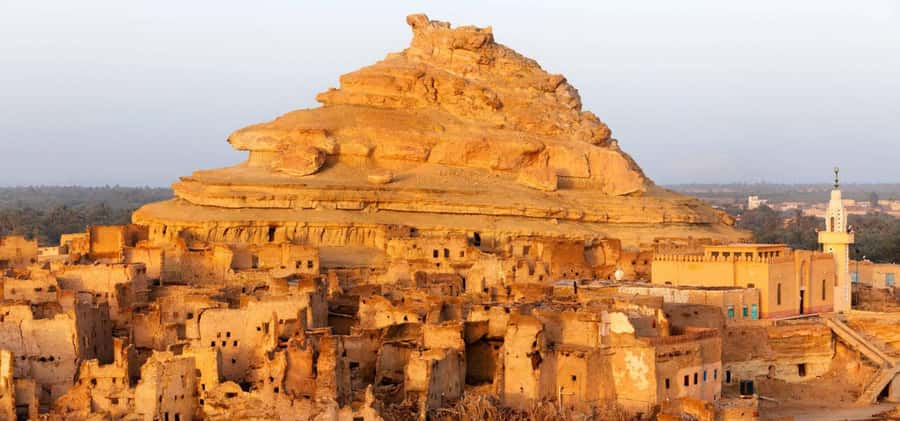
Day 2 shifts from pure adventure into Siwa’s history. You start with breakfast, then you head to the main heritage stops. You’ll visit Shali Fortress, the Mountain of the Dead (Gebel al-Mawta), and the Oracle Temple, then you move on to Dakrur Mountain.
These places matter because Siwa’s ruins are not just old stones. They’re tied to how the oasis functioned and how the region understood the world. Even if you’re not a museum person, a guided approach helps you connect the dots: why the sites are where they are, what people believed, and how the desert shaped the settlement.
Shali Fortress is a signature Siwa moment. It’s listed as a guided stop with a photo time and a guided tour. I like this because it gives you structure. You see it, you learn the story behind it, then you get a short window to take in the views.
Then comes Gebel al-Mawta, also listed for photo time, visit, and guided tour. It’s the kind of site where your guide’s explanations can make a big difference, because from the ground it can feel like “ruins on a hill” unless you know what you’re looking at.
Next is the Oracle Temple. This stop is on the itinerary specifically as a guided visit, which is smart. Oracle stories in the region can sound mysterious if you hear them without context, so the guide helps anchor it to what’s actually known and what’s commonly understood about the temple’s role.
The Temple of Amun is another highlight on the schedule. It’s included as a photo stop and guided visit with free time. In Siwa, this is one of the names that keeps coming up, so having a guide makes the time more efficient. One review credited a guide named Hadi with the history and culture framing, and I think that matches what you’re hoping to get from a guided day.
After the heritage blocks, the plan returns to water and views. That matters because it keeps Day 2 from feeling like walking ruins back-to-back.
A different kind of day out of Cairo:
- Cairo: Pyramids & Great Sphinx Private Tour with Camel Ride
★ 4.9 · 6,335 reviews - Tour to Giza Pyramids and The Egyptian Museum
★ 5.0 · 6,016 reviews - VIP All inclusive Best of the best Giza Pyramids,Sakkara,Memphis
★ 5.0 · 3,164 reviews - From Cairo: Pyramids of Giza, Sphinx, Saqqara & Memphis Tour
★ 4.7 · 3,110 reviews
Cleopatra Spring, Salt Lakes, and Swimming in Siwa’s Mineral World
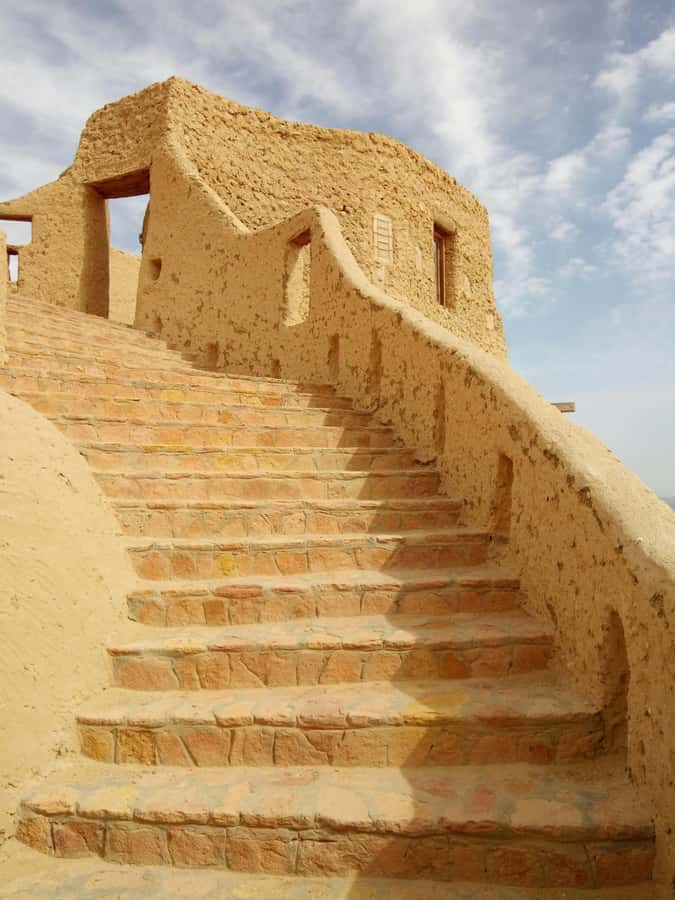
Siwa’s most practical wow factor is water. Not just “pretty water,” but places where the itinerary explicitly schedules swimming time. That means you don’t have to wonder whether it’s possible. The plan says it, and the stops support it.
You’ll hit Cleopatra Spring and then the Hot Spring area again during the day’s loop, with sightseeing and swimming time listed at both. Later, you’ll move to the salt lakes and include swimming around Siwa Lake as well, plus more Dakrur Mountain time that includes swimming.
This is where I think the tour earns its popularity. Most oasis trips show water as a view. This one builds in swim sessions, so your body feels the difference between hot and cold, and your day becomes more physical. Even if you’re not a heavy swimmer, having an hour window helps you decide what you want to do, rather than being rushed.
Salt lakes also change the way you experience the desert. They’re reflective, bright, and often surreal. The itinerary gives you guided time and photo stops, which helps you understand what you’re seeing while you’re standing in it.
Then there’s the scenery break that’s easy to overlook: Fitnas Island sunset views. You get sunset time from Fitnas Island listed in Day 2. This is a smart scheduling choice because the light makes every photo better, and it gives your legs a rest between sites and swims.
One more detail I’d treat seriously is hydration planning. The tour includes water during your trip, but one traveler recommended bringing or buying extra water because the provided amount may not satisfy everyone. Since you’re swimming and in the desert, it’s smart to carry some extra where you can, within the tour rules.
Also note the tour instructions say drinks are not allowed in the vehicle. So if you’re the type who always brings bottled drinks, plan around that. Use the water provided, then buy water at stops when you’re out of the car.
Traditional Siwa Food, Siwan Houses, and Dinner Under the Stars
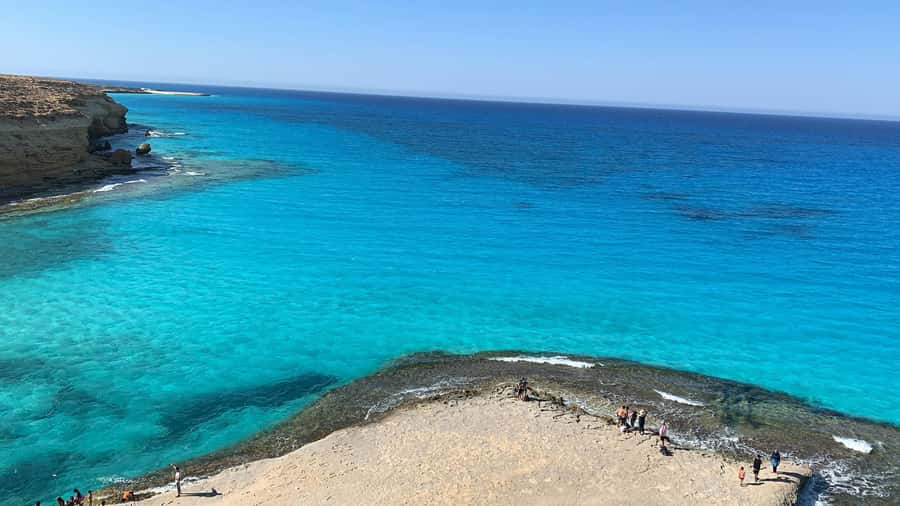
Food in Siwa is not an afterthought here. Meals are built into the schedule: breakfast at camp or hotel, lunch at local restaurants, and dinner either at local restaurants or in camp settings depending on the night.
Day 2 includes lunch at a local restaurant, plus dinner later at a local restaurant. Day 1 includes dinner under the stars at the desert camp area. That difference matters because you get two flavors of the experience: one evening feels communal and outdoors, while the other is more urban oasis style.
There’s also a traditional house stop: The Traditional Siwa House. It’s listed as a photo stop and guided visit with free time and shopping. This is a chance to see how people still live with the oasis environment. It’s not a museum stop where everything feels frozen in time. It’s more like “here’s a house, here’s how it’s used, here’s what you can learn and buy.”
One review also mentioned that Siwa dates are a standout, and that you can bring plenty home from the marketplace. That’s a great practical idea. If you like food souvenirs, Siwa dates are a logical one to grab while you’re already here.
The starry dinner part is also repeatedly praised. It’s one of those moments where the tour’s planning shows its value. When dinner is scheduled after sunset and tied to camp activities, you’re not just eating, you’re using the night sky as the atmosphere.
If you care about dietary needs, the tour data doesn’t specify options. So I’d treat it as a “ask your guide” situation. You can confirm what’s possible before you commit, since food is included but the details of menus and dietary customization are not described.
Price and Logistics: What You’re Paying For and What to Watch
At around $400 per person for 2 nights and 3 days, this trip isn’t cheap. But it’s also not “just a cheap transport plus photos” deal. You’re paying for long-distance logistics from Cairo, guide time, entry tickets, meals, and two nights of accommodation.
A big chunk of the price is the Cairo-Siwa-Cairo distance. The itinerary includes about 8 hours in the van each way, plus early pickup around 5 AM. That’s real time and real cost, especially in a remote desert region where your alternative is usually arranging a patchwork yourself.
You’re also paying for structure. The plan includes guided tours at heritage sites, skip-the-line ticket handling, and multiple activity blocks with time windows for swimming, sandboarding, and sunset views. That reduces the risk of wasting your day on the wrong turn or missing an essential stop.
That said, watch for accommodation variability. One guests said the second night was not the pictured hotel and wasn’t as clean by Western standards, and another flagged a desert-camp-style stay with basic bedding and limited shower setup expectations. Another issue mentioned an AC problem on the car. These are not deal-breakers for everyone, but they are things to be aware of before you go in expecting a smooth, hotel-only feel.
Tipping is not included. If you’re used to tipping guides and drivers in Egypt, plan a budget for it. Personal expenses are also not included, so keep some cash for small purchases like snacks, extra drinks, or date shopping.
If you’re sensitive to comfort, consider packing a few “comfort upgrades” even though the tour provides towels only as swim needs are listed. Since shower supplies aren’t clearly stated, bring what you can for your own standards, especially if you prefer showering with your own products.
And if you want a rare option for your return: one review said you can ask to go to Alexandria instead of Cairo on the way back. It’s not stated as a standard feature, but it sounds possible as a request.
Who This Siwa Tour Suits Best, and Who Should Think Twice
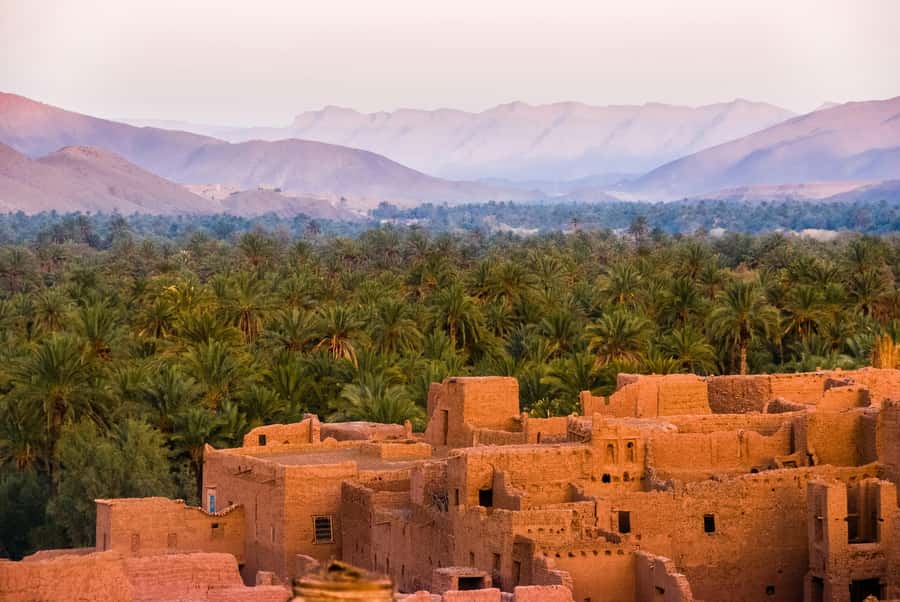
This is a strong match if you want a full Siwa experience: desert jeeps, sandboarding, guided ruins and temple history, and actual swimming time at mineral lakes and springs. The schedule fits people who like active days with a mix of guided learning and open-air downtime.
It’s also a good fit if you care about safety and organization. Reviews repeatedly praised the guides and drivers, mentioning people by name like Youssef, Abdo, Abdelrahman, Hussien, Mohamad, and Hadi. That doesn’t mean every departure is identical, but it does signal that the experience is handled by real professionals, not random logistics.
It may not suit you if you want a slow, lounging trip. The days are full, and you’re moving between sites and water stops most of the time. If you need frequent long breaks, you might feel the pace.
The tour is also explicitly not suitable for certain needs and ages: children under 2 years, wheelchair users, people with altitude sickness, and people over 70 years. Those limits matter for comfort and safety, especially given the desert environment.
If you’re deciding in your planning stage, think about your energy more than your interest level. You can love Siwa and still be unhappy if you expect a relaxed pace.
Should You Book This 2 Nights, 3 Days from Cairo to Siwa Oasis?
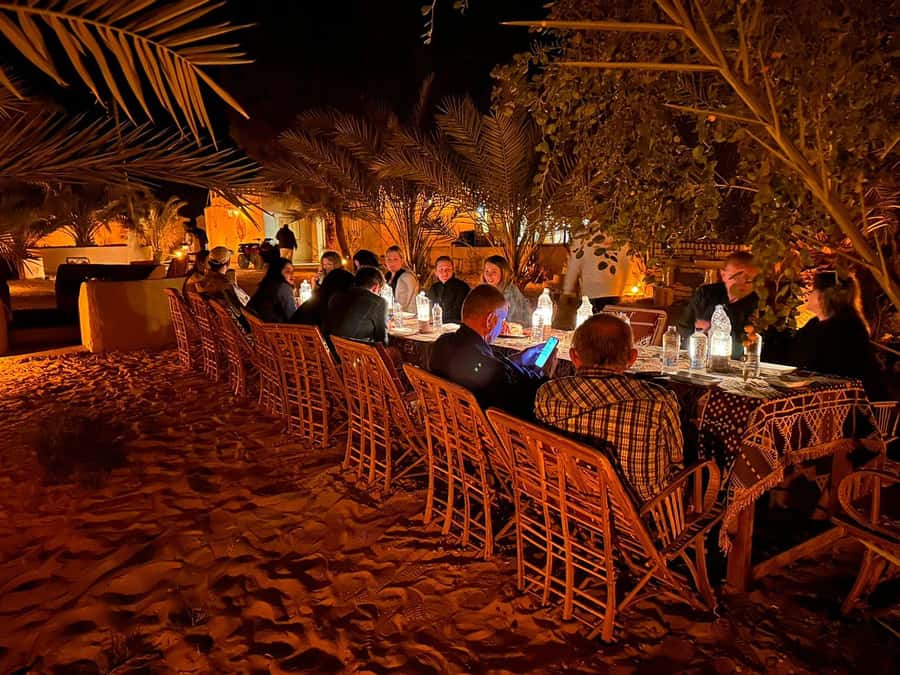
I’d book it if you want a package that truly combines desert adventure and water time, not just a day trip. The best part is that the itinerary turns Siwa into an experience you can feel, swimming at Cold Lake and Cleopatra Spring and then watching sunset moments from viewpoints like Fitnas Island.
The second reason to book is the value structure. You’re not just paying for transport. You get meals as scheduled, guided tours and entry tickets, and two nights included for the remote region. For many people, that ends up being cheaper and simpler than arranging each piece separately.
I’d hesitate if you’re a comfort-first traveler who needs predictable hotel standards every night. Based on what you’ve got here, accommodation can vary, and some stays might be more basic than you expect. Also, plan for the long drive from Cairo, starting early and returning late enough that Siwa is the highlight, not a “side stop.”
If you can handle some rough edges in exchange for a very Siwa kind of trip, this is a strong choice. Pack for swimming, bring a few comfort items, and go in expecting active days and starry nights.
FAQ
What time is pickup from Cairo?
Pickup is scheduled early, around 5 AM. You should wait in the hotel lobby about 10 minutes before the scheduled pickup time.
How long does it take to get to Siwa from Cairo?
The drive is about 8 hours in a van or car, with lunch on the way at Marsa Matroh and arrival in Siwa around 3 PM.
Is transportation included in the price?
Yes. The tour includes air-conditioned transportation by car or van, plus pick up from your hotel and drop off back to your hotel area.
Where will I sleep for the two nights?
The included nights are either 2 nights in a hotel, or 1 night in a hotel plus 1 night at a desert camp. The itinerary includes an overnight at a hot spring camp on Day 1, and an overnight at an ecolodge on Day 2.
Can I swim during the tour?
Yes. Swimming is included at Cold Lake, Hot Spring, salt lakes, Cleopatra Spring, Siwa Lake, and Dakrur Mountain, with scheduled time at each stop.
Which sites will we visit in Siwa?
You’ll visit Shali Fortress, Mountain of the Dead (Gebel al-Mawta), Oracle Temple, Dakrur Mountain, Temple of Amun, Salt Lakes, Gabal Dakrur, and The Traditional Siwa House, plus the spring and lake swimming stops.
What languages are the guides available in?
Live tour guides are available in English, French, Russian, Spanish, and German.
Are meals included?
Yes. Breakfast, lunch, and dinner are included as mentioned in the itinerary, and water is provided during the trip.
What should I bring?
Bring sunglasses, swimwear, and a towel.
Who should avoid this tour?
It is not suitable for children under 2 years, wheelchair users, people with altitude sickness, and people over 70 years. Pets and drones are also not allowed.
Reviewed most recently around Cairo
- Pyramids of Giza half-day tour★ 5.0 · 45 reviews
- Private Giza Pyramids & Sphinx Day Tour with Lunch from Cairo★ 4.5 · 45 reviews
- Private Tour to Old Coptic Cairo & the Cave Church of St. Simon.★ 5.0 · 45 reviews
- Overnight camping black and white desert.★ 5.0 · 45 reviews
- Private Day Tour To Luxor from Cairo by Plane,Tours,Sailing Felucca,Camel&Lunch★ 5.0 · 45 reviews
- Private Tour to Giza Pyramids with 30 Minutes Camel Ride and Lunch★ 4.5 · 46 reviews
- Private Half Day Giza Pyramids Tour with camel & Lunch★ 5.0 · 46 reviews
- Private Egyptian Museum Mohamed Ali Mosque and Old Cairo Tour★ 5.0 · 46 reviews
Siwa Oasis, compared.
Siwa Oasis All inclusive 3 days Tour from Cairo or Giza
Read our review →
Siwa Oasis Tour All inclusive 3 Days Experience from Cairo&Giza
Read our review →
3-Day Siwa Oasis Tour, Safari, Camp & Historical Site
Read our review →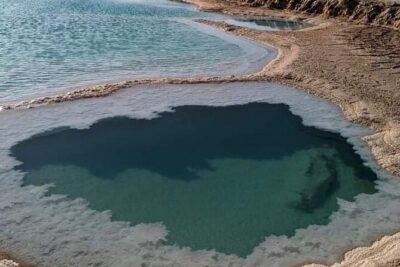
Siwa Oasis private all inclusive from cairo and GIZA
Read our review →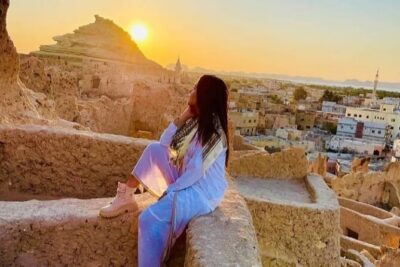
![Siwa Oasis From Cairo&Giza 3 Days 2 Nights all Inclusive[Private]](https://l.theegyptexplorer.com/wp-content/uploads/siwa-oasis-from-cairo-giza-3-days-2-nights-all-inclusive-private-400x267.jpg)
Siwa Oasis From Cairo&Giza 3 Days 2 Nights all Inclusive[Private]
Read our review →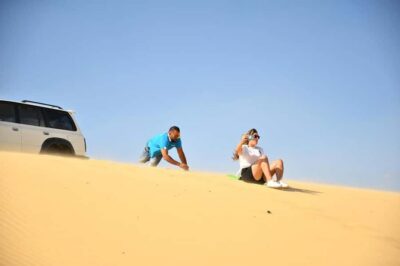
Browse the lists this tour appears in