
Reviewed · HISTORICAL TOURS
Old Cairo Guided Walk Tour: History, Culture & Street Bites
Old Cairo is the kind of place where the streets feel like a living museum, and this guided walk helps you read it fast. I love the mix of major Cairo landmarks (Bab al-Futuh, Al-Hakim Mosque, Sultan Barquq, Qalawun) with the quieter curveballs like Bayt al-Suhaymi. I also love the built-in food moment at the end, with street snacks and options like koshary or Egyptian pie. The main drawback is simple: it is a real walk on uneven ground, so wear good shoes and expect some stairs.
What makes the tour work for most people is the guide. In the group reviews, guides like Nahed and Randa get praise for humor, patient explanations, and practical tips for moving through the markets without getting hassled. Still, you will be in crowded historic streets, so come with a flexible attitude and arrive early to the meeting point at Bab al-Futuh.
If you want Old Cairo to feel understandable instead of just chaotic, this is a strong way to do it in 3 to 4 hours.
Key things you will notice on this Old Cairo walk
- Bab al-Futuh as your entry point into Cairo’s walled-city era
- Al-Hakim Mosque showing Fatimid-era scale in stone and courtyard calm
- Bayt al-Suhaymi where Ottoman Cairo feels personal, not just photographed
- El Moez Street as a long stretch of architecture you can actually follow on foot
- Sultan Barquq and Qalawun side by side, mosque, madrasa, mausoleum, and the big “why”
- Khan el-Khalili with street bites, bargaining practice, and a grand finale
Starting at Bab al-Futuh, where the city wall still sets the tone
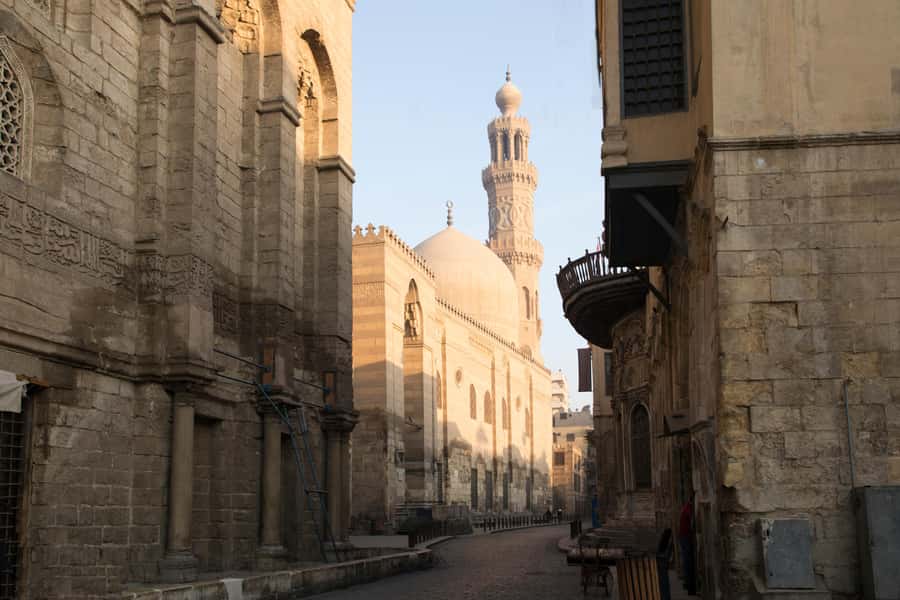
Your tour begins at Bab al-Futuh, one of the main gates of Cairo’s ancient city walls. This matters more than it sounds. When you start at a historic threshold, everything after feels less like random sightseeing and more like a route through time.
From the start, your Egyptologist guide frames what you are about to see: Old Islamic Cairo as a place where religion, education, and everyday life were tightly linked. The group walks at a steady pace, with short stops for guided viewing. You should plan to arrive on time because the meeting point is straightforward, but the surrounding streets can be busy.
Practical note: there is no stroller or large-bag situation here. The streets are narrow and the ground can be rough, so travel light. Even if you are an experienced walker, keep your expectations grounded.
More Historical Tours in Cairo
- From Cairo: Private Full-Day Tour of Historical Alexandria
★ 4.1 · 1,155 reviews - From Cairo: Historical Alexandria Shared Day Tour with Lunch
★ 4.4 · 260 reviews - Cairo: 3-Day Siwa Oasis Tour, Safari, Camp & Historical Site
★ 4.9 · 80 reviews
Al-Hakim Mosque, Fatimid grandeur without the guesswork
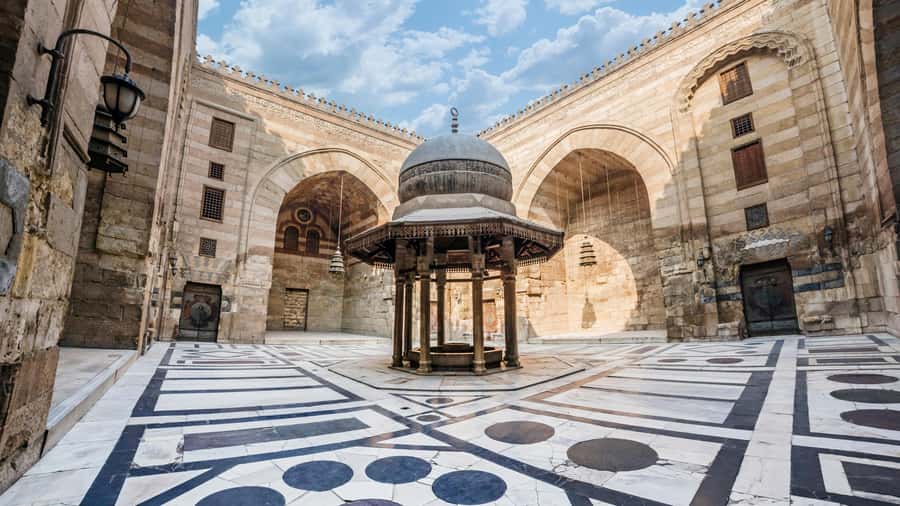
Al-Hakim Mosque is one of Cairo’s oldest and largest Fatimid mosques, and it is built to make an impression. Expect massive minarets, historic stone walls, and the kind of courtyard that gives you a quick breath of quiet in the middle of the city.
What I like about this stop is how it teaches you to “look smarter.” Your guide will help connect the visible details to the bigger story: why this mosque was important, what the architecture is trying to say, and how mosques were more than prayer spaces.
In guide-led groups, this is also where the humor and pacing really show. Guides named Nahed and Randa in the reviews get praise for explaining history in an engaging way, with jokes that keep you paying attention instead of just nodding along.
Bayt al-Suhaymi, Ottoman Cairo in a real house
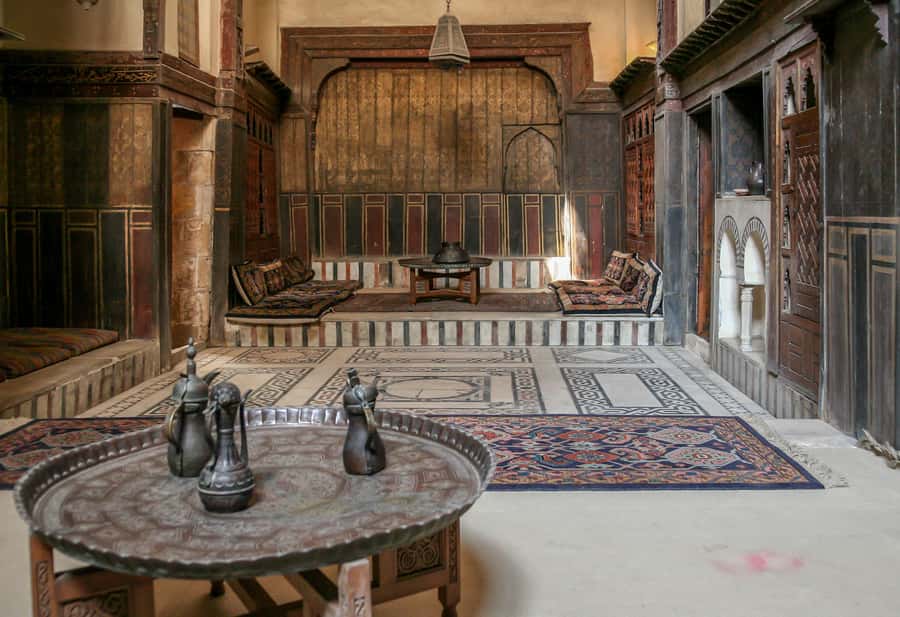
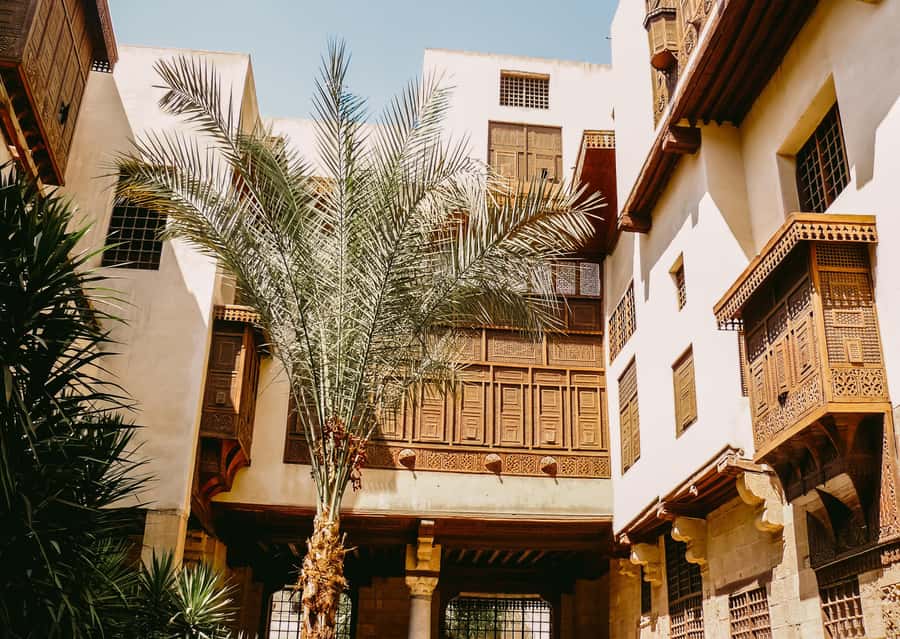
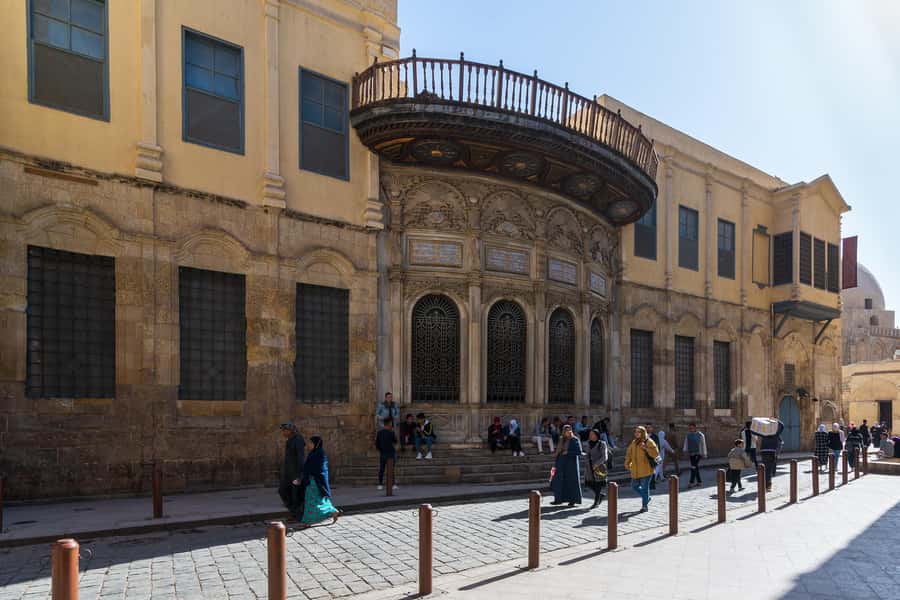
Bayt al-Suhaymi is the tour’s best reminder that history is not only monuments. This 17th-century Ottoman residence lets you see how a well-off Cairo family lived around courtyards, rooms, and traditional architectural patterns.
The experience here is more intimate than the mosques. You are not just looking at big stone statements. You are moving through spaces that feel like lived-in design: the layout, the light, and the flow from one area to another.
This stop is also where your guide’s stories tend to land well. People in the reviews highlight guides who add everyday-life context, not only dates and dynasties. If you like architecture that has a human scale, Bayt al-Suhaymi delivers.
El Moez Street stroll, the long view of Old Cairo architecture
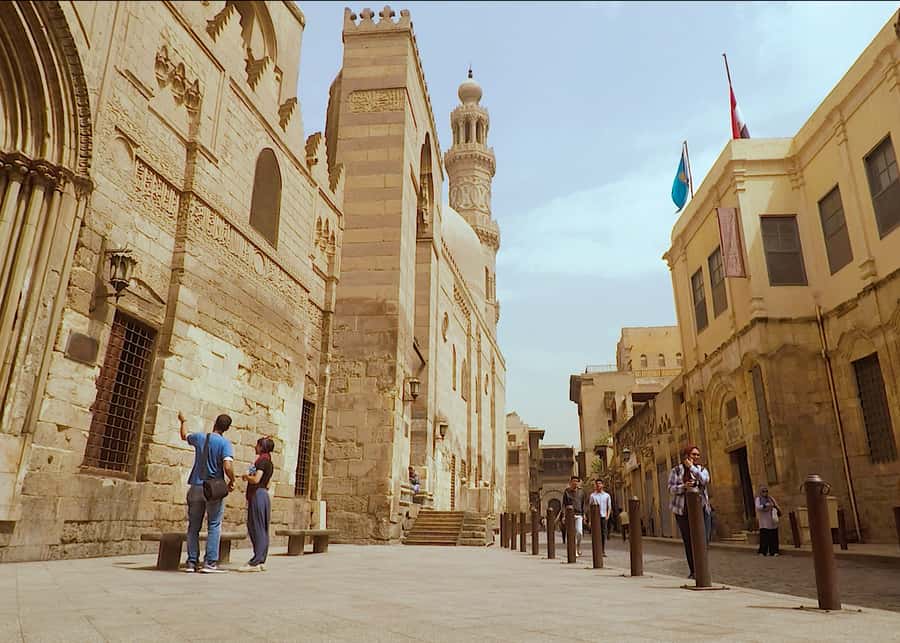
Then you walk along El Moez Street, a historic pathway lined with preserved Islamic architecture. This is where you start spotting patterns on your own, even if it is your first time in Cairo.
You will pass local vendors, cafés, and historic buildings. In other words, it is not a museum corridor. It is still part of real neighborhood life. That gives you a different kind of satisfaction: you are not just standing in front of a postcard.
One consideration: this is a walking stretch where you will want comfortable shoes and patience. Some streets feel like they were built for foot traffic, not smooth tourism. Your guide can keep the route logical, but you should be ready for uneven surfaces and occasional stairs.
More history days in Cairo:
- Cairo: Egyptian Heritage Tanoura Dancing Troupe Show
★ 4.7 · 54 reviews - Sunrise Hot Air Balloon Over the Historical sites in Luxor
★ 5.0 · 697 reviews - From Alexandria: Full-Day Guided Tour of Historical Sights
★ 4.5 · 54 reviews
Sultan Barquq Mosque and the Qalawun Complex, religion plus education plus power
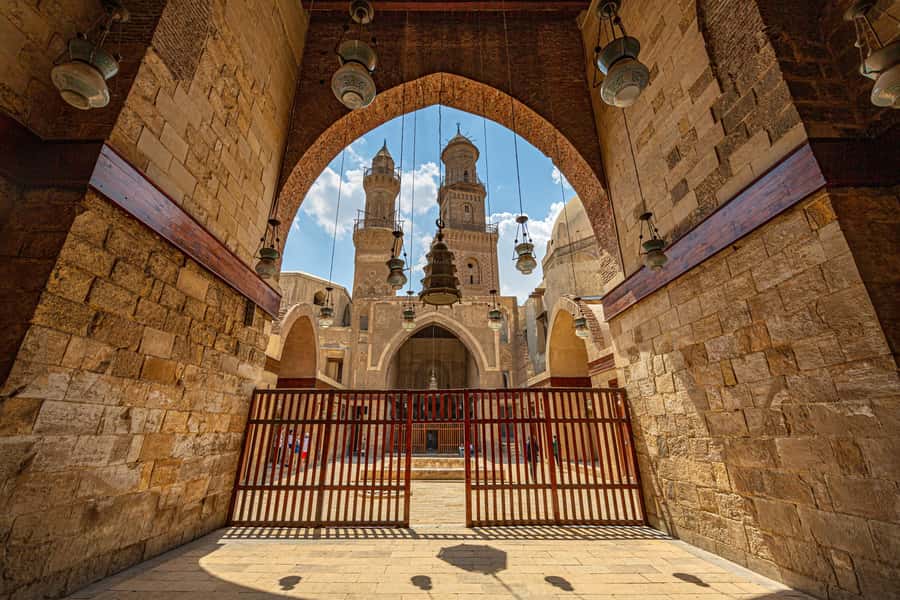
Sultan Barquq Mosque and the Qalawun Complex are close enough to feel like one architectural lesson with two chapters.
Sultan Barquq is known for elaborate Mamluk designs, and it has a layered identity. Your guide will explain how this kind of institution functioned not just as a mosque, but also as a madrasa and a Sufi lodge. The point is not to memorize roles. The point is to see how medieval Cairo supported learning and spiritual life through big public buildings.
Next door, the Qalawun Complex continues the idea with a mosque, madrasa, and mausoleum. When you see these functions together, the architecture makes more sense. You start understanding why these complexes were designed to endure, and why they shaped the surrounding city.
In many reviews, guides are praised for turning these sites into clear stories, not confusing stop-and-go facts. That matters here. These are detailed places, and good guiding keeps it from becoming “pretty tiles, next stop.”
Al-Nasir Faraj Ibn Barquq to Al Hussein, a calm spiritual pause before the market chaos
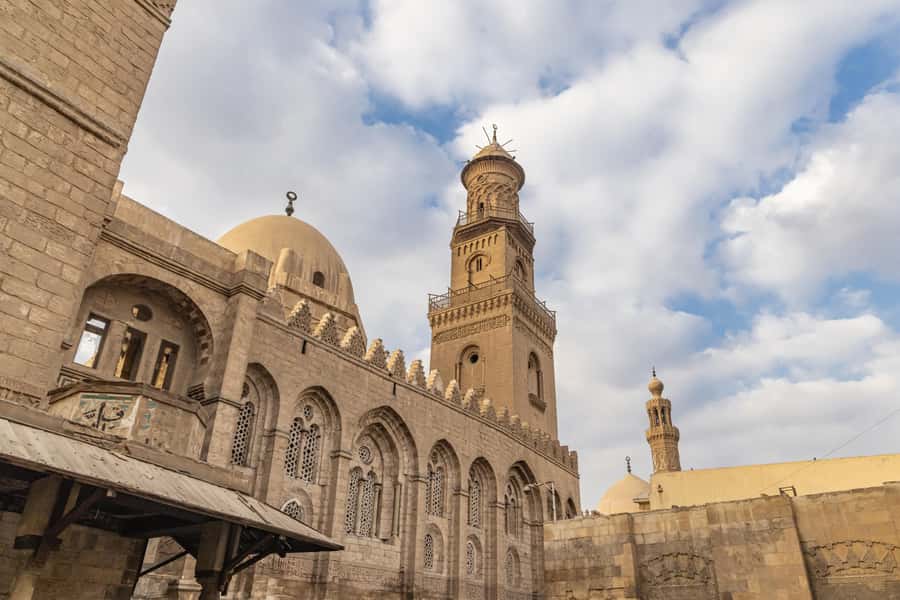
Between the big complexes, you will also visit the Mosque and Khanqah of Al-Nasir Faraj Ibn Barquq. This adds another layer to the medieval Cairo picture, showing how different rulers and eras added their own touches to the religious and educational landscape.
Then comes Al Hussein Mosque, located in the heart of Islamic Cairo. This is the tour’s spiritual reset. You get a moment of tranquility in the middle of a day that has plenty of movement and crowds. It is also a good place to slow your breathing, adjust your scarf if needed, and check in with the group.
One thing I appreciate about ending this way before the final market stop is how it changes your mindset. You go from stone and ceremony to shopping streets, and the contrast makes the market feel more meaningful, not just busy.
Khan el-Khalili, street food payoff and a crash course in smart bargaining
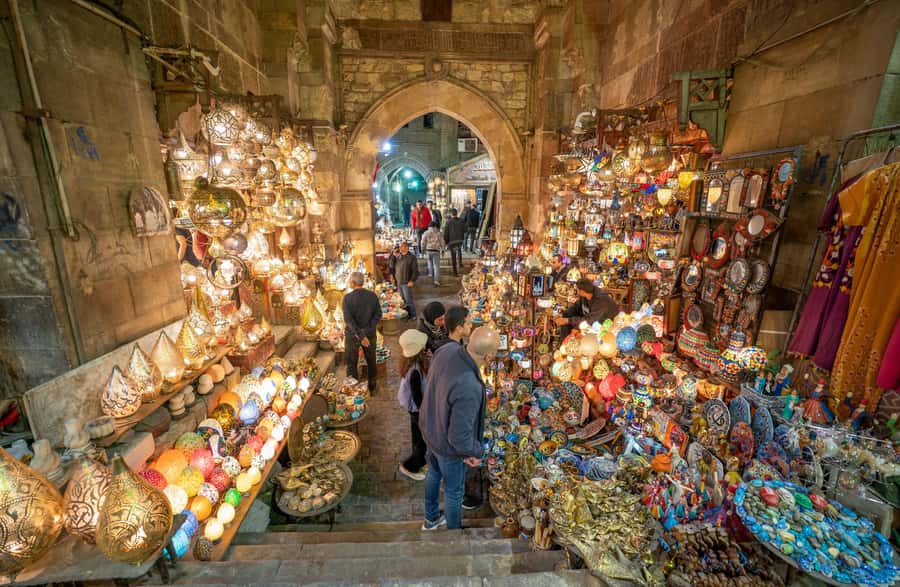
Khan el-Khalili is where Old Cairo turns up the volume. Spices, jewelry, textiles, lanterns, small souvenirs, and a constant flow of people. This is one of Egypt’s most famous bazaars, and it is also one of the easiest places to feel overwhelmed if you go alone.
Having a guide helps you focus. They can keep you moving efficiently between stalls, and they can also give practical advice on how to interact. Multiple reviews mention guides taking steps to protect the group from unwanted attention, which is a big deal in a crowded market environment.
Food is built into this finale, and it is not an afterthought. You will have local snacks like zalabya or halabessa, and the tour includes street food options such as authentic koshary or Egyptian pie. Several reviews specifically praise the Egyptian pie as a highlight, calling it really good and a nice end to the walk.
A small but useful note: one review mentions a vegetarian option being available for the end-of-tour food. Since it is not stated as a guaranteed feature in the core tour description, treat it as something to ask your guide about on the day.
Also, bring cash for personal purchases. The tour includes the entrances and food, but you will probably want to buy something once you see the options in Khan el-Khalili.
Price and logistics: what $31 buys you in real value
At $31 per person for a 3 to 4 hour guided walk, the value comes from three things:
First, you are paying for an Egyptologist guide. On your own, it is easy to miss why each mosque complex matters and how the pieces connect. With guidance, you get the “what am I looking at and why does it matter” part.
Second, entrance fees are included. Old Cairo is full of places where you can lose time (and money) on ticketing. Here, the tour bundles those entries into the price, so your time stays focused on the walk.
Third, you get food that fits the route. The included street bites are not a random voucher. They are timed for the end, so you finish the day with something you actually want to eat, not just a snack that feels token.
The main logistics consideration is group movement in traffic and crowds. A few reviews mention delays due to traffic. Your guide is expected to manage timing so you still get back on schedule, but you should still keep your day flexible.
Who should book this Old Cairo guided walk, and who should skip it
This is a great fit if you:
- want a structured Old Cairo route without the stress of planning
- enjoy mosques and architecture, plus the stories behind them
- want street food included, not something you have to hunt down later
- are traveling solo and want an easy way to get oriented fast
You should think twice if you:
- have mobility limits, because it is not suitable for wheelchair users and it can involve stairs and uneven ground
- hate crowds and close contact, since Khan el-Khalili and the historic streets are active
- need stroller access or extra large luggage, because those are not allowed
What to wear and bring so the day stays comfortable
Old Cairo is not a “show up in flip-flops” situation.
Wear loose clothes that cover shoulders, arms, legs, and knees. Women should use a scarf for religious sites, so carry one or plan to wear it. Comfortable shoes matter because the terrain can be rough. Sunscreen and a hat help if you are visiting in bright sun.
Bring water, even though bottled water is included. Your body will thank you. Also pack a little cash for optional shopping, since Khan el-Khalili is not a place you browse without buying something.
Guide quality is the real deciding factor, and reviews point to it
This tour’s highest praise centers on guides and how they handle the human side of Cairo. People mention guides like Nahed and Randa for being funny, patient, and genuinely passionate. Others mention guides providing guidance to avoid scams and unwanted harassment in the markets.
You will also notice a theme around responsiveness. Several reviews describe guides accommodating last-minute changes due to flight delays or travel timing. In practice, that means you should expect a guide to adjust stops if something closes or timing shifts.
If you care about storytelling that actually makes landmarks click into place, this is one of the strengths of this experience.
Should you book this Old Cairo guided walk tour?
If your goal is to understand Old Cairo quickly, see the big names, and end with real street food, I think you should book it. The price is reasonable for what you get: entrances, an Egyptologist guide, water and snacks, plus koshary or Egyptian pie.
I would only hesitate if you are very sensitive to walking over uneven ground or you need accessibility support. Also, if your schedule is extremely tight, keep in mind that Cairo traffic can affect arrival timing, even when guides do their best.
For most people, this is the kind of half-day that gives you a Cairo “map in your head,” plus an easy win on food at the end.
FAQ
Where is the meeting point?
Meet your guide in front of Bab al-Futuh.
How long does the tour last?
The duration is 3 to 4 hours.
Is hotel pickup and drop-off included?
Pickup and drop-off from your hotel in Cairo or Giza are available if you choose that option.
What languages are offered for the live guide?
The tour offers French, Spanish, English, Arabic, and German.
What food is included?
The tour includes bottled water, local snacks like zalabya or halabessa (or similar), and street food such as authentic koshary or Egyptian pie.
Are entrance fees included?
Yes, entrance fees to all attractions are included.
Is the tour wheelchair accessible?
No, it is not suitable for wheelchair users.
Are strollers or large bags allowed?
Baby strollers are not allowed, and luggage or large bags are also not allowed.
Is tipping required?
Tipping is not mandatory.
Reviewed most recently around Cairo
- Pyramids of Giza half-day tour★ 5.0 · 45 reviews
- Private Giza Pyramids & Sphinx Day Tour with Lunch from Cairo★ 4.5 · 45 reviews
- Private Tour to Old Coptic Cairo & the Cave Church of St. Simon.★ 5.0 · 45 reviews
- Private Day Tour To Luxor from Cairo by Plane,Tours,Sailing Felucca,Camel&Lunch★ 5.0 · 45 reviews
- Overnight camping black and white desert.★ 5.0 · 45 reviews
- Private Half Day Giza Pyramids Tour with camel & Lunch★ 5.0 · 46 reviews
- Private Tour to Giza Pyramids with 30 Minutes Camel Ride and Lunch★ 4.5 · 46 reviews
- Discover The Palaces of Cairo★ 5.0 · 46 reviews
Historical Tours, compared.
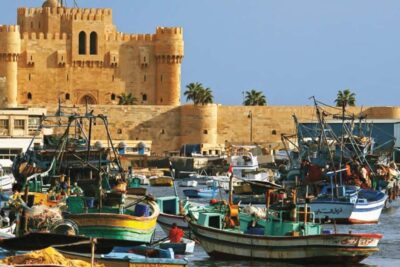
Private Full-Day Tour of Historical Alexandria
Read our review →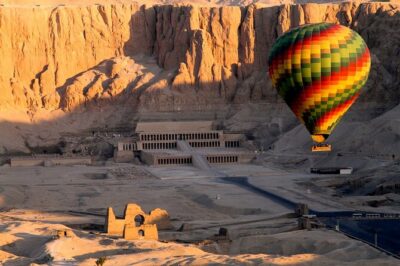
Sunrise Hot Air Balloon Over the Historical sites in Luxor
Read our review →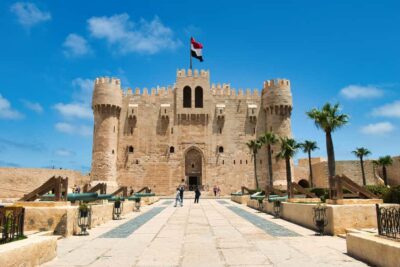
Historical Alexandria Shared Day Tour with Lunch
Read our review →
3-Day Siwa Oasis Tour, Safari, Camp & Historical Site
Read our review →
Browse the lists this tour appears in