Reviewed · CAIRO TOURS
Overnight Trip To Luxor From Cairo
An overnight Luxor trip from Cairo is interesting because you’re basically switching centuries before most people finish breakfast. You start very early, fly south, then spend time on both sides of the Nile. The tour’s private, guided format keeps the day from turning into a scavenger hunt.
Two things I like a lot: the inclusive package (flights, hotel, transfers, and entry fees) takes most of the logistics off your plate. And a strong guide matters here, and in the standout experiences I’ve heard about, Egyptologist Ayman is the kind of guide who helps the sites make sense fast.
One consideration is the pace. Day 1 begins with a 3:30 am pickup, so plan to go to bed early, and expect a full schedule with limited downtime.
Key things to know before you go
- 3:30 am start from Cairo: early pickup to catch the domestic flight down to Luxor.
- West Bank first, East Bank after: you’ll see tomb and temple sites across the Nile in one day.
- Entry fees are included: you’re not supposed to waste time at ticket counters.
- Egyptologist-guided, private tour: your group goes with a qualified guide, not a rotating bus of strangers.
- Dinner and an overnight in Luxor: you don’t just day-trip, you actually sleep in the destination.
- Optional Luxor Temple at night: you can arrange an evening visit window if you prefer it.
Why this Luxor from Cairo overnight trip works
This is built for people who want the Luxor highlights without doing the planning gymnastics. You’re covered on the big ticket logistics: pickup in Cairo, domestic flights, private vehicle transfers, a hotel night in Luxor, and guided sightseeing.
The time is the real selling point. Luxor is far more enjoyable when you get to experience it more than once, not just in a rush between bus arrivals. Here, you get a full Day 1 with the West Bank and the East Bank, then a Day 2 focused on additional West Bank sites.
Also, the tour is designed around key “anchors.” Instead of random stops, you hit the Valley of the Kings, Hatshepsut’s temple, Karnak, and then Day 2 adds Medinet Habu, Deir el Medina, and the Valley of the Queens. That lineup gives you both the grand ceremonial scale and the more personal, everyday side of ancient life.
Other Cairo days people put in the same week:
- Cairo: Pyramids & Great Sphinx Private Tour with Camel Ride
★ 4.9 · 6,335 reviews - Tour to Giza Pyramids and The Egyptian Museum
★ 5.0 · 6,016 reviews - VIP All inclusive Best of the best Giza Pyramids,Sakkara,Memphis
★ 5.0 · 3,164 reviews
Day 1 in Luxor starts with an early Cairo pickup
You’ll be picked up from your hotel in Cairo at 3:30 am. From there it’s off to the domestic airport for your flight to Luxor, where a representative meets you and your full-day tour begins.
Early starts sound brutal, and yes, 3:30 am is rude. But it’s also how this itinerary fits everything in. The upside is that you’re sightseeing while the temperatures are still friendly and before the crowds fully lock in.
Practical tip: pack a small day kit the night before. You will want water, sun protection, and something simple for the wait between pickup and the first major stop. The plan includes lunch at a local restaurant, but it also notes that drinks are not included, so plan to buy beverages as needed.
Valley of the Kings, Deir el Bahari, and Colossi of Memnon
Once you arrive in Luxor, your day leans into the famous West Bank cluster.
Valley of the Kings: tombs where the rulers went
The day’s first major site is the Valley of the Kings. This is where you see the royal tombs carved into the Theban Hills, with the scale of ancient planning hitting you right away. Even if you do not go into every tomb chamber, the setting alone gives context: you’re not just visiting artifacts, you’re standing inside the geography that shaped the burial tradition.
A useful expectation-setting note: tomb sites can be dim, and some interiors can feel tight. Wear comfortable shoes and be ready to move slowly in short bursts.
A different kind of day out of Cairo:
- From Cairo: Pyramids of Giza, Sphinx, Saqqara & Memphis Tour
★ 4.7 · 3,110 reviews - Cairo 8 Hour Private Tour of Pyramids, Egyptian Museum and Bazaar
★ 5.0 · 2,931 reviews - From Cairo: Half-Day Tour to Pyramids of Giza and the Sphinx
★ 4.6 · 2,891 reviews - Cairo: Pyramids, Sakkara & Memphis Tour with Lunch
★ 4.6 · 2,493 reviews
Deir el Bahari and the Temple of Queen Hatshepsut
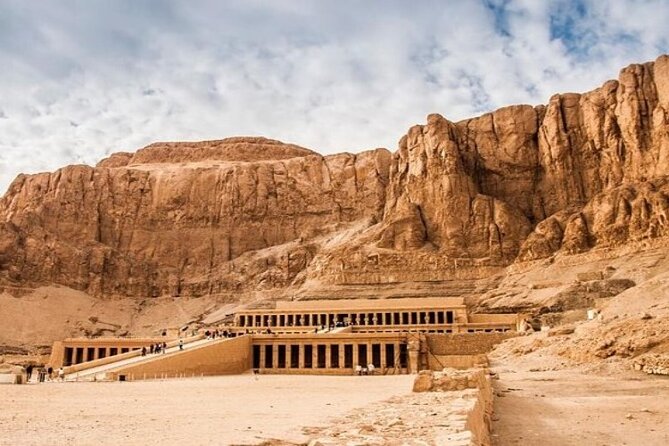
Next comes Deir el Bahari and the Temple of Queen Hatshepsut. This is one of Luxor’s most visually distinctive temples because it feels staged against the cliffs. It’s not only impressive, it’s also the type of place where a good guide helps you understand the layout and symbolism instead of treating it like a photo backdrop.
The itinerary also includes an excursion related to the Necropolis of Thebes, which ties into the wider burial landscape of ancient Thebes. Even when time is tight, having an Egyptologist frame the sites helps you connect the dots quickly.
Colossi of Memnon: two giant statues facing the Nile
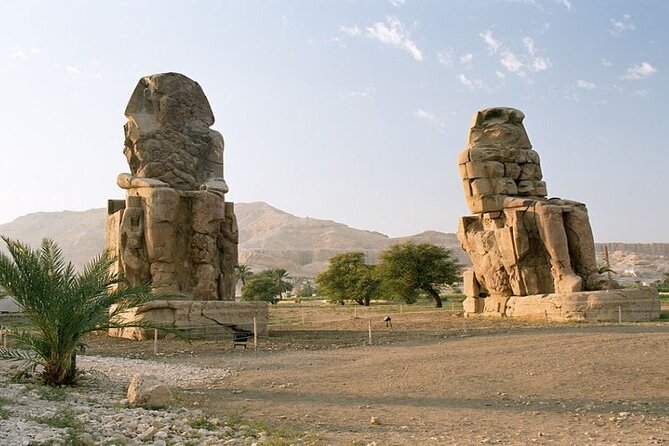
On the return journey you stop at the Colossi of Memnon, two massive sitting statues that represent Amenophis III. These are the kind of monuments where you stop thinking in centimeters and start thinking in engineering. They’re also a good pacing change after walking temple and tomb terrain all morning.
One thing to watch for: the light changes quickly. If the guide allows, give yourself a minute to step back and look at proportions rather than only rushing for the closest view.
Lunch and the rhythm between major stops
Lunch is included on Day 1 at a local restaurant. The plan specifies that it’s based on a full meal, but beverages are not included, so expect to pay for drinks separately.
This is also where your guide’s timing really matters. Luxor can be a long day, and moving efficiently between locations keeps the energy up. Your best move is to eat what you can, hydrate steadily, and then treat the afternoon as a continuation of the same sightseeing mission, not a break that erases the early start.
East Bank power: Luxor Temple and Karnak
After the West Bank sites, you cross back toward the East Bank for temples that feel more like a living map of ancient power.
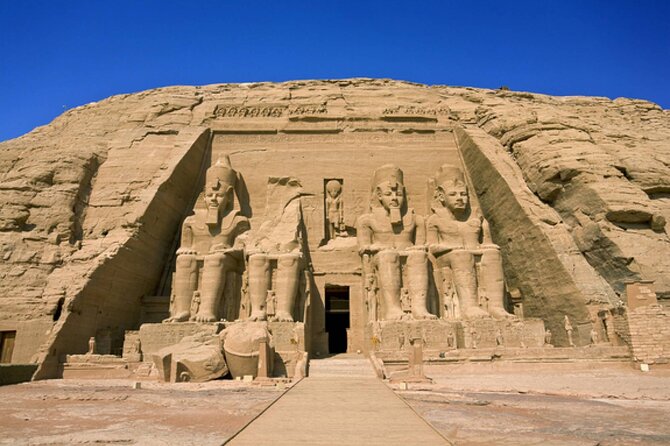
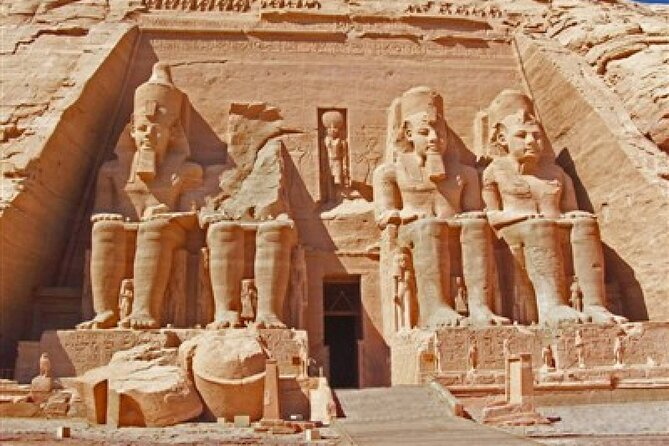
Luxor Temple and Ramses the Great statues
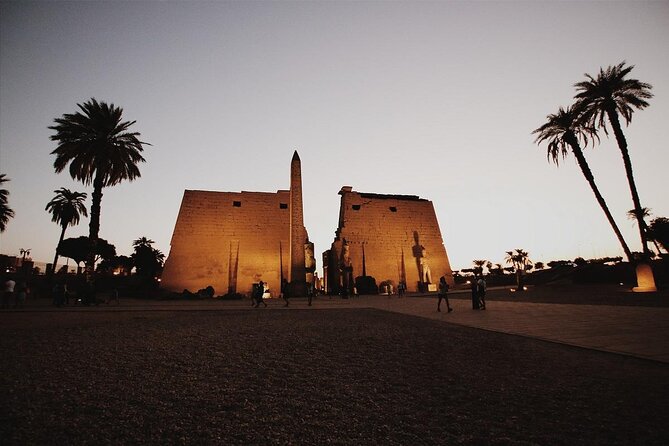
You visit Luxor Temple, including the courtyard and the granite statues of Ramses the Great. Luxor Temple is impressive because it doesn’t feel like a single monument. It feels like a structured space designed for processions and rituals.
There is also an option to do Luxor Temple at night, from 18:00 to 21:00, if you prefer it. If you love night photos and cooler temperatures, this can be a nice twist. The tradeoff is you’ll need to coordinate it with the rest of the plan so you still enjoy Day 2.
Karnak: Avenue of Sphinxes to the Hypostyle Hall
Next comes Karnak, one of Egypt’s most famous temple complexes. The highlights in this tour’s plan include:
- the Avenue of Sphinxes
- the Unfinished Propylon
- the Hypostyle Hall with 134 gigantic columns
- obelisks including those of Queen Hatshepsut and Tutomosis III
- the temple of Amon, decorated with lotus and papyrus
- the granite scarabeus of Amenophis III
- the Sacred Lake
Karnak can overwhelm you if you try to absorb it all at once. This is exactly where an Egyptologist guide earns their keep, turning “a lot of columns” into “a lot of meaning.” You’ll still take plenty of photos, but you’ll also get a clearer sense of why these areas were built and how they were used.
Overnight in Luxor: dinner, hotel check-in, and next-day recovery
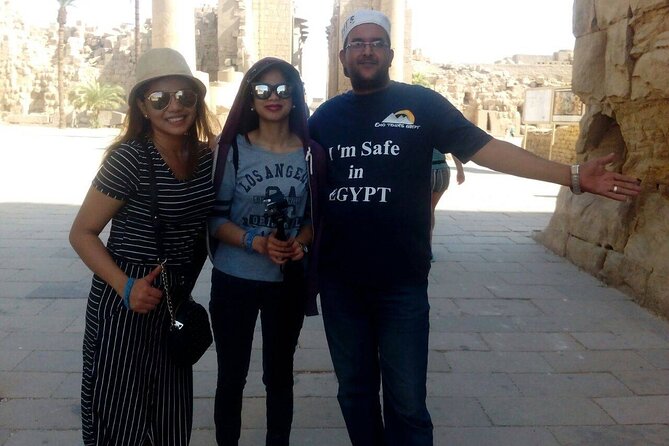
After Karnak, you transfer to your hotel for check-in. Dinner is included at the hotel, and then you overnight in Luxor.
This is a real advantage. If you’re doing Luxor from Cairo as a day trip, you often feel rushed the whole time. Here, you can actually reset. I’d treat the evening as recovery mode: hydrate, avoid over-planning, and set out your sun gear for the morning.
Day 2 starts at 7:00 am: Medinet Habu and Ramesses III
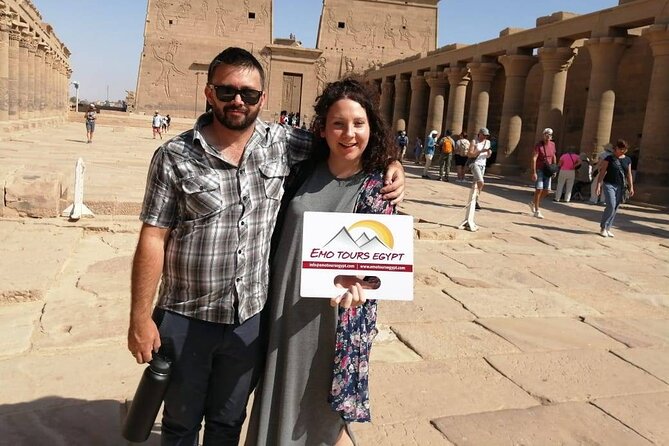
Day 2 begins with a 7:00 am pickup from your hotel. You’re taken to the West Bank by private A/C vehicle, then the focus shifts toward Medinet Habu and more royal-era temple settings.
Medinet Habu (Medinat Habu): near the Theban Hills
The tour visits Medinat Habu, described as an archaeological locality near the Theban Hills on the West Bank, opposite modern Luxor. This part of Luxor often feels less like a whirlwind stop and more like a full scene, which helps if you want breathing room to think about what you saw the day before.
Temple of Ramesses III: a long mortuary temple
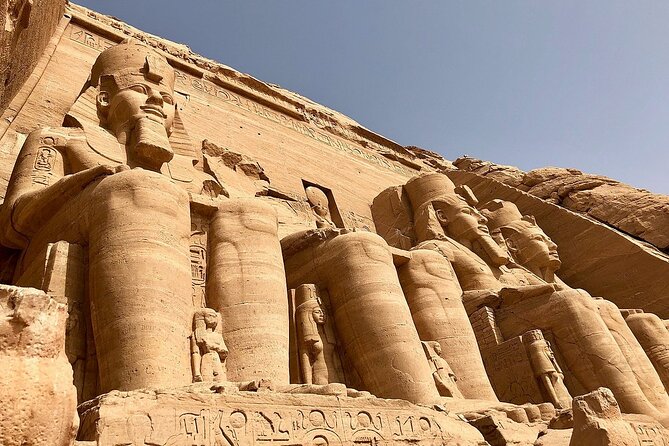
You then see the Temple of Ramesses III, the mortuary temple associated with his reign. The tour notes it’s about 150 meters long and of an orthodox design that resembles the mortuary temple of Ramesses II.
When you’ve already visited some of the big complexes, it’s easier to notice the patterns. A good guide can point out how these temples follow certain planning rules while still reflecting each ruler’s choices.
Additional temples inside Habu, including Amun
The plan also includes visiting other temples within Habu, such as the Temple of Amun, linked to Queen Hatshepsut and Thutmose III. It also notes that it has undergone many alterations across different dynasties, including a Greco-Roman period.
That evolution matters because it shows you temples weren’t frozen in time. They changed with the people who inherited them.
Deir el Medina: the worker’s village you will remember
After Habu, the schedule continues to Valley of the Artisans, also known as Deir el Medina. This place is described as an ancient village where the artisans lived who worked on tombs in the Valley of the Kings during the 18th to 20th dynasties.
The itinerary specifically points out that the paintings can look fresh. Even if paint is always aging over time, the setting is meaningful because you’re stepping into the human side of the tomb-making system. This stop gives you a break from only seeing monumental royal commissions.
Valley of the Queens: wives, princes, and the meaning of Ta-Set-Neferu
Day 2 ends with a visit to the Valley of the Queens. The tour includes the ancient name Ta-Set-Neferu, meaning the place of the children of the pharaoh.
You’ll see tombs connected to queens from the 18th, 19th, and 20th dynasties, plus princes and princesses of nobility. The plan also explains that mortuary priests maintained tombs through daily rituals and offerings.
This stop is a nice emotional counterpoint to the Valley of the Kings. You’re still in burial country, but the focus shifts to family and status, not just single rulers.
Price and value: is $390 worth it?
At $390 per person, you’re paying for more than sightseeing. The included value points are big: flights, hotel overnight, all transfers by private A/C vehicle, a tour guide, entry fees, and lunch on the first day.
If you try to build this on your own, it gets expensive quickly. Domestic flights are not free, hotels in Luxor cost money, and private guide time plus entrance fees add up fast. For many people, the biggest value is that you don’t have to coordinate flight timing, transfers, and site entry logistics across two days.
Where the value can weaken is if your schedule or energy level doesn’t match the itinerary. The day 1 start is early, and the full list of stops makes it a committed pace. If you want a slow travel style, you might feel rushed.
Tour experience: what a great guide changes
This itinerary is loaded with high-profile names. What makes it work is the way they’re connected. With an Egyptologist guide, you don’t just walk through a checklist of famous sites, you learn what each place was for and how they fit together in Thebes’ story.
Ayman is one of the guides you may be assigned, and the experiences around him are described as a major reason people rate this trip so highly. That’s the heart of a good Luxor guide: he helps you notice things you might otherwise miss, and he keeps you moving with purpose rather than frustration.
Who this overnight Luxor trip suits best
This tour fits best if you:
- want to see Valley of the Kings and Karnak without planning logistics
- like having an expert guide to help make sense of carved stone and temple layouts
- can handle early mornings and a full schedule
- prefer private tour attention rather than a larger mixed group
It may be less ideal if you hate very early starts, need lots of downtime, or want to spend extra time lingering inside tomb interiors without time pressure.
Should you book it?
I’d recommend booking this overnight Luxor trip from Cairo if you want the best mix of efficiency and real guided context, and if you’re comfortable with a 3:30 am start. The included flights, hotel, private transfers, and entry fees are the kind of value that makes Luxor feel doable instead of complicated.
Skip it if you want a slow, flexible plan or if you’re the type who gets cranky when airports and terminals are involved. If you do book, give yourself a prep buffer: confirm pickup details clearly, bring a passport photo copy as requested during booking, and pack a small day kit so the early start feels manageable.
FAQ
What time is pickup from my Cairo hotel on the first day?
Pickup from your hotel in Cairo is listed for 3:30 am.
Are flights between Cairo and Luxor included?
Yes. The plan includes a domestic flight from Cairo to Luxor.
Is there an overnight stay in Luxor?
Yes. You check in to a hotel in Luxor after Day 1 and overnight in Luxor is included.
Which major West Bank sites does the tour include on Day 1 and Day 2?
On Day 1 it includes the Valley of the Kings, Deir el Bahari (Temple of Queen Hatshepsut), and the Colossi of Memnon. On Day 2 it includes Medinat Habu, Temple of Ramesses III, Deir el Medina, and the Valley of the Queens.
Which East Bank temples are visited?
The tour includes visits to Luxor Temple and Karnak on the East Bank.
Are entrance fees included?
Yes. Entry fees are included in the tour.
What meals are included, and are drinks covered?
Lunch at a local restaurant is included, and beverages are not included. Dinner is included at the hotel on Day 1.
Is this a private tour or shared group?
It is described as a private tour, meaning only your group will participate.
Can Luxor Temple be visited at night?
Yes. There is an optional night visit window for Luxor Temple from 18:00 to 21:00, if you prefer.
How much notice is required to cancel for a full refund?
You can cancel up to 6 days in advance for a full refund.
Reviewed most recently around Cairo
- Pyramids of Giza half-day tour★ 5.0 · 45 reviews
- Private Giza Pyramids & Sphinx Day Tour with Lunch from Cairo★ 4.5 · 45 reviews
- Private Tour to Old Coptic Cairo & the Cave Church of St. Simon.★ 5.0 · 45 reviews
- Overnight camping black and white desert.★ 5.0 · 45 reviews
- Private Day Tour To Luxor from Cairo by Plane,Tours,Sailing Felucca,Camel&Lunch★ 5.0 · 45 reviews
- Private Half Day Giza Pyramids Tour with camel & Lunch★ 5.0 · 46 reviews
- Private Tour to Giza Pyramids with 30 Minutes Camel Ride and Lunch★ 4.5 · 46 reviews
- Discover The Palaces of Cairo★ 5.0 · 46 reviews
Cairo Tours, compared.

Pyramids & Great Sphinx Private Tour with Camel Ride
Read our review →
Tour to Giza Pyramids and The Egyptian Museum
Read our review →
VIP All inclusive Best of the best Giza Pyramids,Sakkara,Memphis
Read our review →
Pyramids of Giza, Sphinx, Saqqara & Memphis Tour
Read our review →
Cairo 8 Hour Private Tour of Pyramids, Egyptian Museum and Bazaar
Read our review →
Half-Day Tour to Pyramids of Giza and the Sphinx
Read our review →