
Reviewed · ABU SIMBEL
5 Days Cairo, Aswan, and Abu Simbel Tour
This trip is interesting because it stacks Egypt’s big hitters into one efficient route, from Giza to Abu Simbel. I especially like that you get guided time with an Egyptologist, so the pyramids and temples make sense fast, and you are not just looking at stuff. I also like the pacing of having real hotel nights in Cairo and Aswan, not just a nonstop bus-and-bag day. One possible drawback: this is a packed 5-day schedule, with long drives and an early Abu Simbel morning, so you will want comfortable shoes and patience.
The payoff is that you see the famous monuments and the less famous pieces that explain how they were made. For example, you do not just stop at Philae, you learn the Osiris story connected to the temple, and you visit the Unfinished Obelisk to see how crafting began and why it never reached its intended height. If you prefer slow, open-ended travel, this plan might feel a little intense, but if you want a high-value crash course with smart guidance, it fits well.
Key highlights worth your attention
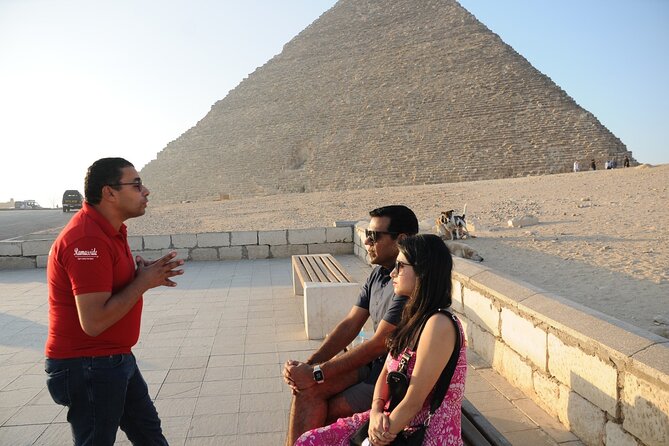
- Egyptologist-led visits for the pyramids, museum, and major Aswan temples
- Flights Cairo to Aswan and back to save you a lot of travel time
- Philae Temple relocation story tied directly to the Aswan High Dam
- Unfinished Obelisk shows the work process, not just the finished end result
- Abu Simbel early start helps you experience the complex when the day is still fresh
- Group size capped at 15 so you get attention without feeling lost in a huge crowd
How this Cairo to Aswan and Abu Simbel route really flows
This is a true “cover a lot of ground” itinerary, but it is set up with the right kind of logistics. You fly instead of road-tripping from Cairo to Aswan, then you base yourselves with hotel nights in both cities. That matters because Egypt can be hot, crowded, and slow at entry points, and flights help you avoid losing a full day to transit.
The tour is also built around guided time. You have an Egyptologist guide for the whole tour, and the day-by-day plan is structured so you do not just bounce between sites. You get the order, the context, and the stops that connect to each other. For example, Abu Simbel is not treated like an isolated postcard. It is tied to the Aswan High Dam story and the UNESCO relocation mission.
You will be in a group up to 15 people. That usually means quicker moving than private tours, and it can also mean you have to follow the group schedule at entrances. Bring the mindset that this is a guided itinerary, not a choose-your-own-adventure day.
More ways to reach Abu Simbel:
- Egypt 8 nights:Cairo,Luxor,Aswan,Abu Simbel,Nile cruise,Balloon
★ 4.5 · 227 reviews - Our Exceptional 5 days Cairo, Luxor and Abu Simbel Tour Package
★ 5.0 · 212 reviews - From Cairo: 2-Day Abu Simbel & Luxor Tour
★ 3.9 · 136 reviews
Day One in Cairo: airport meet, quick transfer, and settling in
Day one is simple and practical. You arrive at Cairo International Airport, meet a representative holding a sign with your name, then you transfer by A/C car to your hotel. After that, it is just sleep and reset.
This start is helpful because you avoid the common Cairo problem where you spend your first hours negotiating transport. Instead, you use your energy for the days ahead. If you land jet-lagged, the transfer plan is a small comfort.
What I recommend you do tonight, if your flight timing allows: plan your outfits for sun and heat. Also, charge your phone. You will be using a mobile ticket for parts of the experience, and Cairo airports and pickup points can be easier when you can confirm details quickly.
Day Two Giza pyramids plus the Egyptian Museum: the big day plan
This is the day that most people come for, and it is scheduled to keep you moving in a logical order. After breakfast at your hotel, you meet your guide and head straight to Giza.
Pyramids of Giza and the Great Pyramid of Khufu
You start at the Pyramids of Giza complex, which includes the main pyramids, the smaller pyramids, the Great Sphinx, and the Valley Temple. This complex is over 4,000 years old, and the guide helps you see how the pieces fit together as a designed setting, not just separate monuments.
Then you focus on the Great Pyramid of Khufu. This pyramid is famous for being the only remaining structure of the Seven Wonders of the Ancient World. The tour notes the scale in plain terms: it was built around 2580 BC, took about 20 years, used about 2.3 million limestone blocks, and reached roughly 147 meters high at the time. When you hear those numbers, the size stops being vague and starts feeling real.
The itinerary lists admission tickets as included here. That means you should expect enough time to enter where the ticket allows. If there are choices at the ticket window, ask your guide before you queue, so you do not waste time standing in the wrong line.
A different kind of day out of Cairo:
- Cairo: Pyramids & Great Sphinx Private Tour with Camel Ride
★ 4.9 · 6,335 reviews - Tour to Giza Pyramids and The Egyptian Museum
★ 5.0 · 6,016 reviews - VIP All inclusive Best of the best Giza Pyramids,Sakkara,Memphis
★ 5.0 · 3,164 reviews - From Cairo: Pyramids of Giza, Sphinx, Saqqara & Memphis Tour
★ 4.7 · 3,110 reviews
The Great Sphinx and Valley Temple stop
Next up is the Great Sphinx. The guide frames it as a guardian figure, with a lion’s body and a man’s head, associated with King Khafre. It is carved from a single limestone rock, and it has a long, myth-heavy reputation that can feel confusing without someone to connect the dots.
Right after, you get the Valley Temple, which is part of the same Giza complex. The tour description ties it to Old Kingdom mummification practices and notes that it is one of the best-preserved archaeological pieces here. Even if you do not remember every detail, this stop helps you understand that Giza was not only about royal tombs. It was about the rituals and process around them.
The Egyptian Museum: why it changes the pyramid experience
Later you visit the Museum of Egyptian Antiquities. This is one of the biggest “aha” stops on the route because it gives you objects to match the monuments you saw earlier.
The museum is described as housing the world’s largest collection of ancient Egyptian artifacts, with more than 150,000 items across two floors. The tour specifically calls out major attractions such as treasures connected to King Tutankhamun, the Narmer Palette, papyrus scrolls, and mummies.
If you only see the pyramids, Egypt can still feel like a set of distant, silent ruins. The museum pushes it back into human scale, from royal symbols to everyday materials like wood and stone. I like that this day ends with artifacts, not only architecture.
Practical tip: the museum stop is listed at about 2 hours. That is enough time to see the highlights, but it is not enough to fully read every label. If you want photos and context, pick a few themes with your guide and let the rest blur.
Day Three: flying to Aswan, then High Dam, Unfinished Obelisk, and Philae
Day three starts with a transfer from your hotel to Cairo airport for a flight to Aswan. Then you arrive and meet your guide.
This is where the route starts feeling efficient. Instead of spending hours on roads, you shift the day’s energy toward actual sightseeing. For many people, the flight is also the relief that prevents the trip from feeling like one long grind.
Aswan High Dam: modern engineering tied to ancient survival
In Aswan you visit the Aswan High Dam, a modern project built between 1960 and 1970 under Gamal Abdel Nasser. The tour explains why it was built: to manage Nile floods, generate hydroelectric power, and increase water storage in Lake Nasser.
The part I like best is the cause and effect. The dam posed a threat to Abu Simbel and Philae temples. That makes your later temple visits feel less like separate sightseeing stops and more like a single story about what gets saved and what requires adaptation.
Unfinished Obelisk: the sculpture process, not just the result
Next is the Unfinished Obelisk, also linked to Queen Hatshepsut. The tour notes it was intended to stand at the entrance of the Karnak Temple. It was commissioned under the name Tekhenu, meaning to pierce the sky.
This stop is fascinating because it is literally not finished. The obelisk was planned to be about 42 meters high and around 1,200 tons, and it cracked during construction. Seeing it in its original location helps you understand the risks and realities of stonework at that scale.
If you love archaeology and craft, this is the kind of stop that makes a tour feel “real” rather than purely photo-focused.
Philae Temple: mythology tied to place and relocation
Then you visit the Temple of Philae. The tour description includes the Osiris myth: Osiris, killed by his brother Set, is resurrected by Isis, and Horus brings peace and justice. The temple’s design and religious function are built around that kind of story.
One of the tour’s key context points is that in the 1960s, Philae was relocated during a UNESCO-led rescue mission after the High Dam was built. So you are not only learning about ancient belief. You are seeing how later generations tried to protect ancient belief.
After this day, you check into a 5-star hotel in Aswan for the overnight stay, on bed and breakfast basis.
Day Four Abu Simbel: the long morning, the two temples, and the relocation context
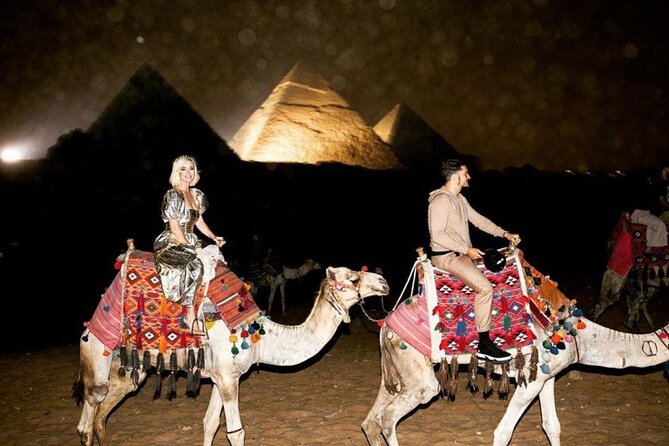
Abu Simbel is scheduled as an early morning departure with breakfast boxes. That matters because this is a long day. The itinerary lists about 6 hours for the Abu Simbel Temple Complex.
The Great Temple is dedicated to King Ramses II, and the smaller one honors Queen Nefertari. The tour also gives you the construction timeframe, built between 1279 and 1213 BCE during the New Kingdom period. Those dates turn the temples from “very old” into a specific era with an identifiable ruler.
The relocation story is repeated here, and it is worth connecting it again. These temples were moved in the mid-60s as part of a UNESCO-led operation because of the flooding risk linked to the dam. When you learn that first, then you stand in front of the monuments, you get a sharper sense of how dramatic the rescue effort was.
Practical tip: ask your guide what the best photography angles are at the times you are there. Morning light can change what you notice in carvings and statues. Also, plan to wear something that you can tolerate being warm in, because temple visits outdoors mean sun is part of the experience.
Day Five in Cairo: one last breakfast and airport escort

Day five is built around a final breakfast and airport transfer. A representative escorts you to the airport for your journey home.
This closing day is intentionally light after the intense Abu Simbel morning. It gives you a buffer for packing and last-minute needs. If you still have a bit of energy, look through your photos and pick one or two scenes to revisit mentally. The tour has a strong “story arc,” pyramids and artifacts in Cairo, modern engineering and mythology in Aswan, then Ramses II at Abu Simbel. The last day is the time to let it settle.
Hotels, breakfasts, and what comfort means on this schedule
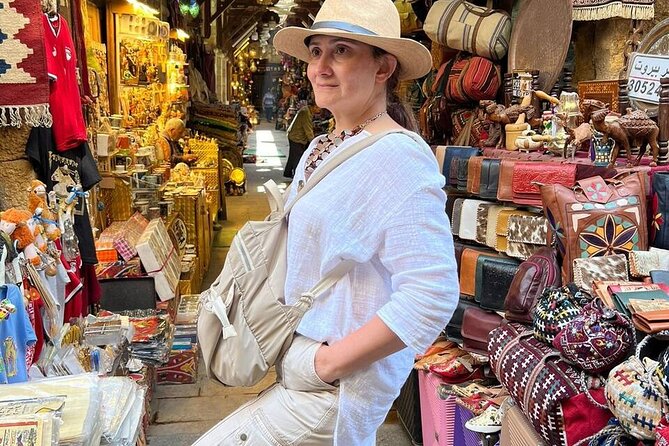
You get 3 nights in Cairo at a 5-star hotel on a bed and breakfast basis, and 1 night in Aswan at a 5-star hotel on bed and breakfast as well.
On a trip like this, hotel ratings matter less for luxury and more for recovery time. You will have long days. You will have sun. You will have walking. A solid 5-star base reduces the stress of not knowing where to recharge.
The tour includes breakfast 3 times. That is important because it supports the early starts, and it keeps you from scrambling for food before scheduled departures.
My simple advice: treat hydration and comfort as part of your sightseeing plan. Bring what you need for the heat, and do not underestimate how tiring museum time can be after pyramid sun.
Price and what you actually get for $1,375 per person
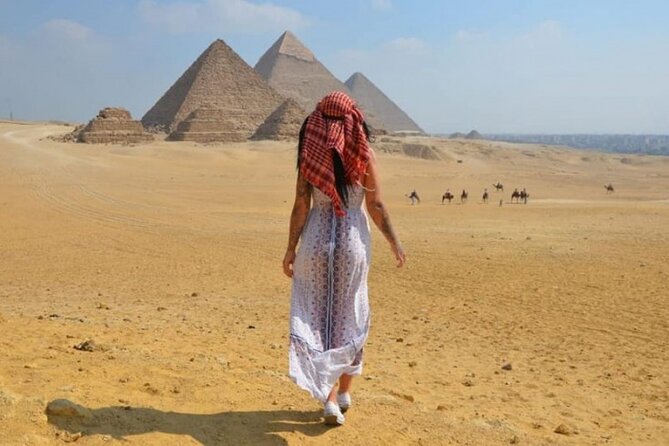
At $1,375 per person, this is not a budget gamble. You are paying for a bundle: flights, hotels, an Egyptologist guide, and admission fees to the scheduled sights, plus taxes and charges already covered.
Here is what that means in real life:
- You are not arranging multiple pieces yourself (domestic flights, transfers, and entry tickets).
- The admission fees are included for the sights in the itinerary, so the day plan does not get interrupted by payment stops.
- The Egyptologist guide time is a big chunk of the value because it helps you get meaning from the sites, not only pictures.
- You are using two hotel bases, so you are not losing all your energy to transit.
What is not included is also clear. International airfare is on you, and Egypt entry visa is not included. Tipping is also not included.
If you would otherwise pay for a similar mix of domestic flights, guided time, and admissions separately, the package starts to look more reasonable. If you like independent travel and already have your domestic flight strategy locked, you might compare costs. But for most people, the time saved and the guided context are the biggest payoff.
Group size, guides, and how you can get the most out of the day
The tour caps the group at 15 travelers, which usually helps with movement. You get the benefit of group logistics while still having the chance to ask questions.
The guide is the key variable in any Egypt trip. The tour promises an Egyptologist guide during the whole itinerary. I also like that the company has a track record of guides being praised for clear explanations and for being proactive when small hiccups happen. For instance, some past clients named guides such as Mahmoud and Youseff for strong on-the-ground help and strong communication. Other clients also highlighted guides like Mina Wasfy and Lamia for detailed explanations and a calm, helpful presence.
To get more out of the guide you have, ask 2 smart questions early in each day. Examples that work well here: what is the story behind this site, and what should I notice in the carvings or layout that I might miss on my own? Your tour becomes more than sightseeing when you have a target.
Who should book this Cairo, Aswan, and Abu Simbel trip
This works well if you:
- want a tight itinerary that still includes real guide context
- prefer flying between Cairo and Aswan to save time
- want to see both the big-name sites and the explanatory stops like Unfinished Obelisk
- do not want to organize flights, admissions, and transfers separately
You might think twice if you:
- hate early starts, because Abu Simbel includes an early departure and long time on site
- prefer a slower pace with more free time per day
- want fully private pacing, because you will be in a group up to 15
Should you book it?
I think this tour is a strong choice if you want maximum Egypt in 5 days without the hassle of building the plan yourself. The combination of Giza plus the Egyptian Museum, then Aswan High Dam and Philae, and ending with Abu Simbel gives you an actual story arc, not a scatter of monuments.
Book it if you value guided meaning, included admissions, and a smooth domestic flight setup. If you are prone to getting impatient with crowds or you want downtime built into the schedule, consider adding buffer days in Cairo or choosing a slower itinerary style.
If you do book, pack for heat and walking, ask your guide what is possible with your included admissions, and treat breakfast boxes and early mornings as part of the Abu Simbel experience. Do that, and you will leave with more than photos. You will have a better sense of how the ancient and modern Egypt connections fit together.
FAQ
How long is the tour?
It is approximately 5 days.
What cities and major sights are included?
Cairo, Giza pyramids and Sphinx, the Museum of Egyptian Antiquities, Aswan High Dam, Unfinished Obelisk, Philae Temple, and Abu Simbel Temple Complex.
Are flights included?
Yes. Flights are included from Cairo to Aswan and from Aswan to Cairo.
How many nights do I stay in each city?
You get 3 nights accommodation in Cairo and 1 night in Aswan.
What hotel standard is included?
The tour includes 5-star hotels in both Cairo and Aswan.
Are meals included?
Breakfast is included 3 times, and the hotels are provided on a bed and breakfast basis.
Are admission fees included?
Yes. Admission fees to all available sights in the itinerary are included.
Is the tour guided?
Yes. A professional Egyptologist tour guide is included during the whole tour.
Is international airfare or the Egypt entry visa included?
No. International airfare and Egypt entry visa are not included.
If I need to cancel, when is a full refund possible?
You can cancel up to 3 days in advance of the experience for a full refund.
Reviewed most recently around Cairo
- Giza pyramids, Saqqara and Dahshur day tour★ 5.0 · 20 reviews
- Pyramids of Giza, Sphinx and Egyptian Museum Day Tour★ 5.0 · 20 reviews
- Cairo Stopover Tour with Giza Pyramids, Sphinx, Egyptian Museum, and Old Cairo★ 5.0 · 20 reviews
- Discover Cairo by night★ 3.5 · 20 reviews
- Private Experienced Tour for Camel ride during the sunset with Local Bedouin Dinner★ 4.0 · 20 reviews
- Private Day Tour to Giza Pyramids, Sphinx, Coptic Cairo and Saint Simon Church in Cairo★ 4.5 · 20 reviews
- Luxor East and West Bank: Valley of the kings, Habu Temple,Karnak&Luxor Temples★ 5.0 · 20 reviews
- 10 Day Treasures of Egypt Tour Giza Pyramids & Cairo & Nile Cruise & Abu Simbel★ 5.0 · 20 reviews
Abu Simbel, compared.

4-Days Nile Cruise From Aswan To Luxor including Abu Simbel and Hot Air Balloon
Read our review →
4-Day 3-Night Nile Cruise from Aswan to Luxor&Abu Simbel+Balloon
Read our review →
4-Day 3-Night Nile Cruise from Aswan to Luxor including Abu Simbel, Air Balloon
Read our review →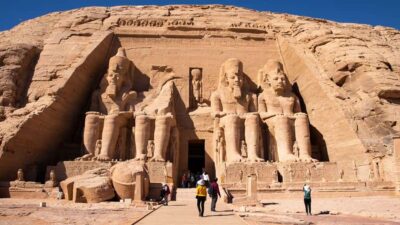
Abu Simbel Temple Private Guided Day Trip with Lunch
Read our review →4-Days Nile Cruise From Aswan To Luxor including Abu Simbel and Hot Air Balloon
Read our review →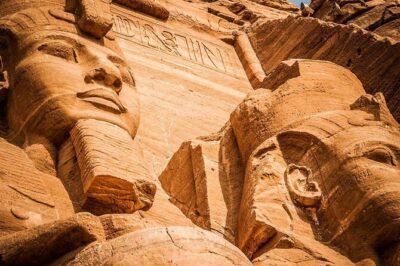
Private Day Tour to Abu Simbel Temples from Aswan
Read our review →4 Days Nile Cruise from Aswan to Luxor including Abu Simbel and Hot Air Balloon
Read our review →Browse the lists this tour appears in