
Reviewed · NILE CRUISES
Private 7-Night Cairo, Aswan, and Nile Cruise with Flights
This is an efficient way to see Egypt’s two big hitters, Cairo and the Nile, without spending your whole trip on transport. You fly into Cairo, tour Giza and the Egyptian Museum, then head south by domestic flight to Aswan for a full-board cruise to Luxor. If you end up with the same team I’ve heard about, guides like Mohammed Sohby in Cairo and Refai or Refaie on the cruise can make the history feel personal and practical.
I especially like two things about this package. First, the hands-on flow, airport reps, hotel pickup, and an English-speaking Egyptologist guiding the days that matter. Second, the itinerary sticks to the highest-value ancient sites: pyramids, museum highlights, then temples and West Bank tombs in Luxor.
One thing to keep your expectations grounded: entrance fees and drinks are extra, and the quality of Cairo hotel rooms can be uneven depending on what is available for your dates. That is not unique to this tour, but it is worth planning for.
Key highlights worth your attention
- Airport and hotel support built in, including pickup and 24/7 A/C transfers
- A true Cairo plus Nile rhythm, with domestic flights that save big chunks of time
- West Bank priorities in Luxor, including Valley of the Kings, Hatshepsut at Deir el Bahari, and Colossi of Memnon
- Optional choices you can say yes or no to, like Abu Simbel and the Philae temple excursion
- Your cruise guide travels with you on sailing days from Luxor to Aswan, so you get consistent storytelling
Private Cairo, Aswan, and Luxor with Flights: What makes it work
If your goal is to hit the major sites in a smart order, this tour is built for that. Cairo first, then the Nile, then back to Cairo. The big win is that you do not have to stitch together separate tickets, guides, and timing decisions on the fly.
The private part is mostly about having your own guide and vehicle, but there’s an important nuance: for Viator bookings with 2 to 9 adults, it can still mean sharing two families for the same tours or transfers. In practice, you should plan for a private feel on guiding and planning, but expect that transport may be shared depending on the day.
Another practical win is pace. You get a full week of structure with lots of set pieces, yet you still have room for optional add-ons, including a day free in Cairo or an optional Alexandria tour at additional cost.
More Nile Cruises in Cairo
- Egypt 8 nights:Cairo,Luxor,Aswan,Abu Simbel,Nile cruise,Balloon
★ 4.5 · 227 reviews - Sunset & Night Open Air Nile Cruise in Cairo & Giza
★ 5.0 · 158 reviews - Evening Dinner Nile Cruise in Cairo with Private Transport
★ 5.0 · 53 reviews
Day 1 in Cairo: fast visa help and a plan that starts on time
Your arrival day is designed to reduce the usual Egypt stress. You meet a representative at Cairo International Airport for assistance through formalities, and you will have someone to help with the visa process. In the feedback I saw, reps such as Hedra often helped travelers get their visa stamp without a long ordeal, then handled luggage and routing to the car.
Soon after, you meet your Egyptologist guide. This matters because Cairo can feel like a maze if you arrive cold. A good guide does more than point at statues, they help you understand what to prioritize, how to read the layout, and what to expect each day so you can move confidently.
Giza Pyramids and the Egyptian Museum: where your guide earns their fee
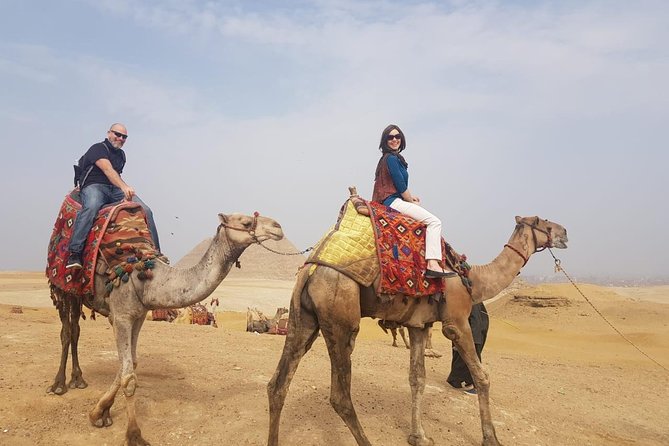
The Giza portion is the start of the wow factor. You go straight to the Pyramids of Giza with your Egyptologist escort and time to take photos. The value here is not only seeing the structures, it is having someone explain the logic of the site, what each monument represents, and how to avoid wasting time during peak crowds.
After Giza, you head to downtown near Tahrir Square for a museum visit. The plan is built around major highlights: the Egyptian Museum in Cairo and its famous King Tutankhamun pieces and royal mummy displays. If you like history, the guided context is the difference between walking through rooms and actually understanding what you are looking at.
Just note what is not included. Entrance tickets are listed as extra, and the tour price does not cover drinks at hotels or on the cruise. Also, museum and pyramid days involve plenty of walking, sun, and heat. Bring water snacks you can tolerate, and plan your timing.
Flying to Aswan: starting your cruise with the right temples and viewpoints
After Cairo, the tour switches gears. You take a domestic flight to Aswan, then you connect to the Nile cruise. This part is a time saver, and it also helps your energy. Egypt is huge, and driving long distances can turn a “sightseeing day” into a “waiting day.”
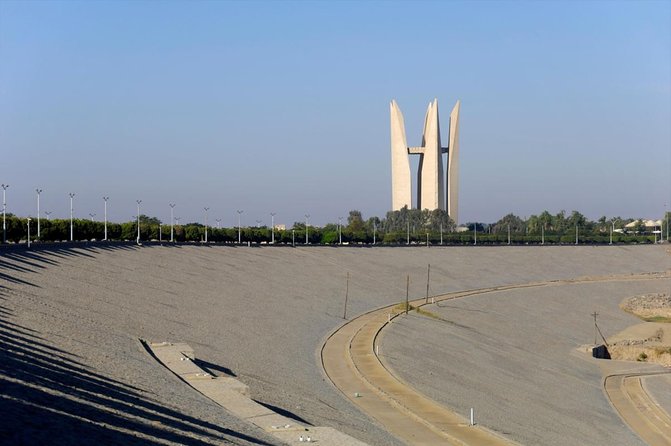
In Aswan, you begin with big landmarks that frame the region. You visit the Unfinished Obelisk, which connects you to the reality of how ancient projects were measured, planned, and sometimes abandoned. Then you see the Aswan High Dam, a modern counterpoint that changed the flow and the look of the Nile valley.
If you want more, there’s an optional excursion to Temple of Philae, centered on Isis and the themes of ritual and life. If you enjoy religious symbolism and myth, this is one of those optional pieces that can add real depth, as long as you go in knowing it costs extra.
More Nile cruises:
- 4-Days Nile Cruise From Aswan To Luxor including Abu Simbel and Hot Air Balloon
★ 5.0 · 3,142 reviews - 4-Day 3-Night Nile Cruise from Aswan to Luxor&Abu Simbel+Balloon
★ 5.0 · 2,023 reviews - 4-Day 3-Night Nile Cruise from Aswan to Luxor including Abu Simbel, Air Balloon
★ 4.5 · 612 reviews - From Aswan: 4-Day Nile Cruise from Aswan to Luxor with Guide
★ 4.1 · 593 reviews
Abu Simbel optional day, then Kom Ombo and the Edfu approach
One of the biggest name drops on this itinerary is Abu Simbel. You get a breakfast start and the option to take that day trip from Aswan by road, around three and a half hours each way. The temples there are major. If you are willing to add an extra long travel day for a once-in-a-lifetime site, Abu Simbel is usually the kind of choice you remember.
After that, the cruise continues with temple stops. You visit Kom Ombo, known for its dual dedication. It is a temple with two sides and a different feel than the more single-focused complexes.
Then you sail toward Edfu. On this itinerary, you are not stuck in long stretches of travel without context. You have structured stops and guided time built into the schedule so you keep moving deeper into the story.
Edfu Temple and Luxor’s first night: setting you up for the West Bank
In Edfu, you arrive early and visit the Temple of Horus. The guide timing matters here. Earlier visits can feel calmer, and the temple carvings are where the real payoff happens. The temple is often described as very complete, with building elements spanning a long period.
Once you reach Luxor, you get down to the essentials. You may have an optional evening visit to Luxor Temple, and you can also take a walking tour. Even when you choose to keep the evening lighter, the market area in Luxor can be fun because you get a sense of daily life and how people move around the ancient core.
And yes, you will likely be asked about extra tours and shopping stops. That is part of the tourism rhythm in Egypt. The trick is to decide your priorities early and stay firm if you do not want add-ons.
Luxor West Bank day: Valley of the Kings, Hatshepsut, and the Colossi
This is the day that makes or breaks the Luxor portion for many people, because it combines the most famous tomb area with one of the most striking monuments on the West Bank.
You start with Valley of the Kings, where a bunch of royal tombs are hidden in the hills. The guide will steer you toward the most significant tombs during your visit, including major names like Ramses III and Tutankhamun, along with several others depending on what is open and what fits the pacing. This is not just about seeing openings in rock. It is about understanding why these sites were selected and how the layout connects to the beliefs about the afterlife.
Next is Temple of Hatshepsut at Deir el Bahari, built for the powerful 18th Dynasty queen who ruled in a way that is still surprising to modern visitors. This is one of those places where your brain shifts from read-only facts to visual scale. If you like women’s history, political power, or monumental architecture, this stop tends to land well.
Then you see the Colossi of Memnon, the giant standing statues that greet you across from the East Bank. It is a short stop, but it is a perfect breather after the denser tomb and temple experiences.
You also have a timing choice at the end of the day. Your flight back toward Cairo is listed as 15.30 or 18.20, and if seats are not available you may need to stay on the ship or in a Luxor hotel, then fly the next day.
Cairo hotel and Nile cruise comfort: what the price usually covers, and what to watch
This tour includes 4 nights in Cairo on bed and breakfast and 3 nights superior 5+ Nile cruise on full board, with the possibility that your sailing schedule gives you an upgrade to 4 nights cruise starting from Luxor without extra cost.
On paper, this is strong. In real life, Cairo “5 star” can be confusing if you compare it to Western expectations. Some travelers report the hotel being fine and modern enough for comfort, while others describe rooms as dated or run down even when the marketing says 5 star. In other words, the cruise can feel more consistent than Cairo hotels depending on what is available.
On the cruise side, what stays consistent across feedback is service and food quality. The ship can be older, but crew friendliness and the guide’s storytelling often make up for it. Wi-Fi is not available on the ship, so plan on offline time unless you count on hotel Wi-Fi.
Also remember: hotels and cruise ships do not provide water through meals, only tea or coffee. So if you want water, you will pay for it or bring a plan.
Entrance fees, drinks, tipping, and shopping add up fast
Here’s the part that can turn a good deal into a painful surprise if you do not budget for it. Entrance fees are not included, and the tour lists an approximate total around $69 USD per person for all tours, with an extra note that this can increase. That means you should carry cash for tickets and small purchases.
Then there are drinks. Water is extra, and in hotels and on the ship you are basically getting tea or coffee with meals. The cruise full board helps, but it is not unlimited bottled comfort.
Finally, tipping. This tour notes gratuities as recommended, with your guide advising what to do and you should keep small currency. In the feedback I saw, tipping is described as constant in practice, and some people felt it became pushy. My practical advice: set your tipping budget before the first day, keep small bills ready, and do not let last-minute pressure decide how you feel.
Shopping can also be a major spend if you say yes to every stop. There are structured shopping experiences and optional paid sites that can include light shows, special entrances, and extra tours like Abu Simbel or additional temple visits. If you are the type who gets “moved along” by sales energy, plan to stick to your list and say no quickly and politely.
Alexandria or a free day in Cairo: how to use your wrap-up time
After the cruise, the plan returns you to Cairo with a day free, or you can choose an optional Alexandria tour at additional cost. This is a great setup if you want a break from ancient sites and want something different, like a coastal change of pace.
Even if you do not book Alexandria, the free day is useful. It lets you regroup, do one last museum or shopping walk, or simply avoid the “always in a car” feeling.
The main thing is budgeting. Any optional excursion will likely be priced on top, and entrance fees still apply to many sites you might add.
Who this Cairo and Nile cruise is best for
This is a good fit if you want a structured route with domestic flights, transfers, and a guide doing the hard coordination. It is ideal for first-time Egypt visitors who do not want to manage tickets, guide timing, and transport between Cairo, Aswan, and Luxor.
It also works well for travelers who appreciate learning in context. The guide experience often becomes the highlight, with Cairo guides like Mohammed Sohby (in some cases) and cruise guides like Refai or Refaie described as helpful and engaging.
If you are extremely price sensitive, you can probably assemble a cheaper DIY trip. But you will spend time on planning and managing logistics. If you hate that part, the packaged flow can be worth the money.
If you are picky about hotel rooms, do your homework and keep a flexible mindset about Cairo accommodation quality. You might get a solid modern room at a listed property, or you might end up with something more “basic” than expected. The cruise quality and guide attention may still be the stronger part of the trip.
Should you book this tour?
I think you should book if you want a one-shot itinerary that covers Cairo highlights, a guided Nile cruise, and Luxor’s West Bank in a single trip. The domestic flights cut down fatigue, and the guide structure means you are not guessing what matters most.
Skip it or book with caution if you hate extra costs. Entrance fees are extra, drinks are extra, and tipping and optional tours can raise your total. Also, hotel quality in Cairo can vary enough that you should not assume every room will feel like a polished, brand-new “5 star” stay.
If you decide to go, bring small cash, budget for entrance fees, and plan your optional add-ons in advance so sales pressure does not steer the trip.
FAQ
What does the price include?
The tour price includes hotel stays in Cairo (4 nights bed and breakfast), a Nile cruise (3 nights superior 5+ on full board), domestic flights (Cairo to Aswan and Luxor to Cairo, depending on sailing schedule), transfers by A/C vehicle, an English-speaking guide, and meals listed as breakfast and some lunches and dinners. It also includes airport transfer support and hotel pickup.
Are entrance fees included?
No. Entrance fees are not included. The tour lists entrance fees as approximately $69 USD per person for all tours, and it notes prices can increase.
Do you get domestic flights or travel by train?
Domestic flights are included for the Cairo to Aswan and Luxor to Cairo portions, as available. Flight times are not guaranteed to a specific hour.
How long is the Nile cruise?
The plan is for 3 nights on the Nile cruise, and it says you may upgrade to 4 nights starting from Luxor without extra cost depending on the sailing schedule.
What kind of hotel should I expect in Cairo?
Cairo hotel category depends on what is selected and availability. The tour lists examples like Cairo Pyramids Hotel, Le Passage Heliopolis, Mercure Pyramids, and other budget options. Hotel quality can vary, so it is smart to keep expectations flexible.
Is the guide included every day?
You have an English-speaking guide and transfers included. The guide accompanies all sailing days on the Nile cruise from Luxor to Aswan. Land days in Cairo and between sites are also guided.
Is there a vegetarian meal option?
Yes. A vegetarian meal option is available.
Is Wi-Fi available on the cruise ship?
No. Wi-Fi is not available on the ship. It notes hotels have free Wi-Fi, but the ship does not.
Are optional tours included?
Some optional excursions are offered, like Temple of Philae and Abu Simbel, plus an optional Alexandria tour after you return to Cairo. These are not included in the base price and cost extra.
Who handles visa requirements?
You must confirm and obtain any visa requirements prior to border crossing, and visa requirements are the traveler’s responsibility. Airport representatives can assist with the visa process on arrival.
What time does the tour typically start?
The meeting point start time is listed as 8:30 am.
Reviewed most recently around Giza
- Real Cairo Food Tour Experience (Eat like a local)★ 4.5 · 46 reviews
- Half day tour in Giza pyramids , sphinx , panorama★ 5.0 · 46 reviews
- Half day tour at the Pyramids★ 5.0 · 47 reviews
- Private Tour: Giza Pyramids, Museum, Bazaar & Lunch Included★ 5.0 · 47 reviews
- Giza Pyramids and The Sphinx Walking Tour★ 5.0 · 48 reviews
- Cairo Dinner Cruise on River Nile with Belly Dancing Show★ 5.0 · 48 reviews
- Giza pyramids and sphinx★ 5.0 · 49 reviews
- Discover Alexandria’s Wonders: Full-Day Private Tour from Cairo★ 5.0 · 50 reviews
Nile Cruises, compared.
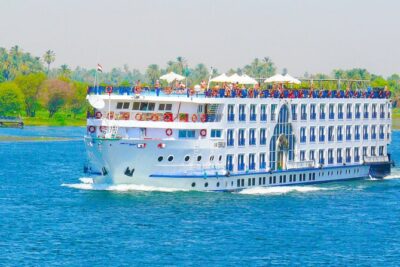
4-Days Nile Cruise From Aswan To Luxor including Abu Simbel and Hot Air Balloon
Read our review →
4-Day 3-Night Nile Cruise from Aswan to Luxor&Abu Simbel+Balloon
Read our review →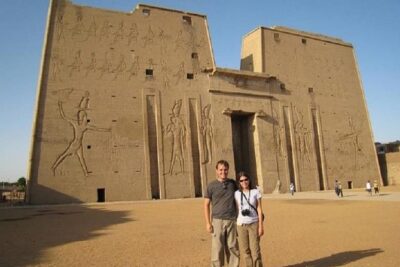
4-Day 3-Night Nile Cruise from Aswan to Luxor including Abu Simbel, Air Balloon
Read our review →
4-Day Nile Cruise from Aswan to Luxor with Guide
Read our review →4-Days Nile Cruise From Aswan To Luxor including Abu Simbel and Hot Air Balloon
Read our review →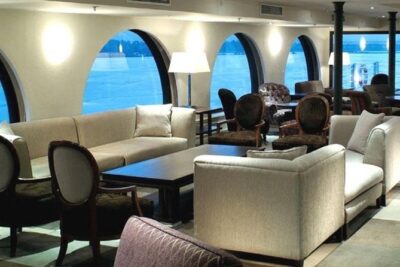
4-Day 3-Night Nile Cruise from Aswan to Luxor – Private Tour
Read our review →4 Days Nile Cruise from Aswan to Luxor including Abu Simbel and Hot Air Balloon
Read our review →
4-Day 3-Night Nile Cruise from Aswan to Luxor With Balloon and Abu Simbel
Read our review →Browse the lists this tour appears in